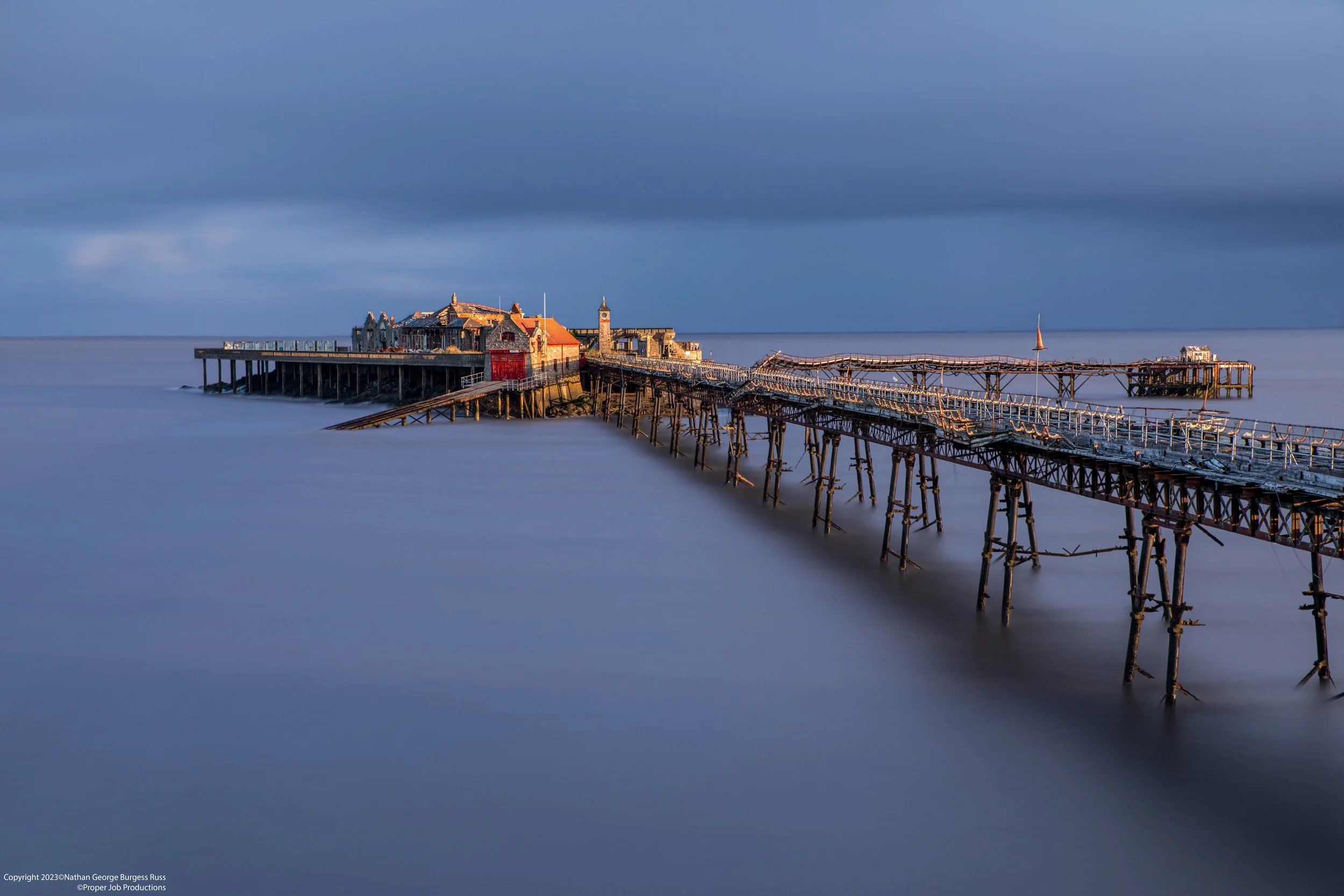
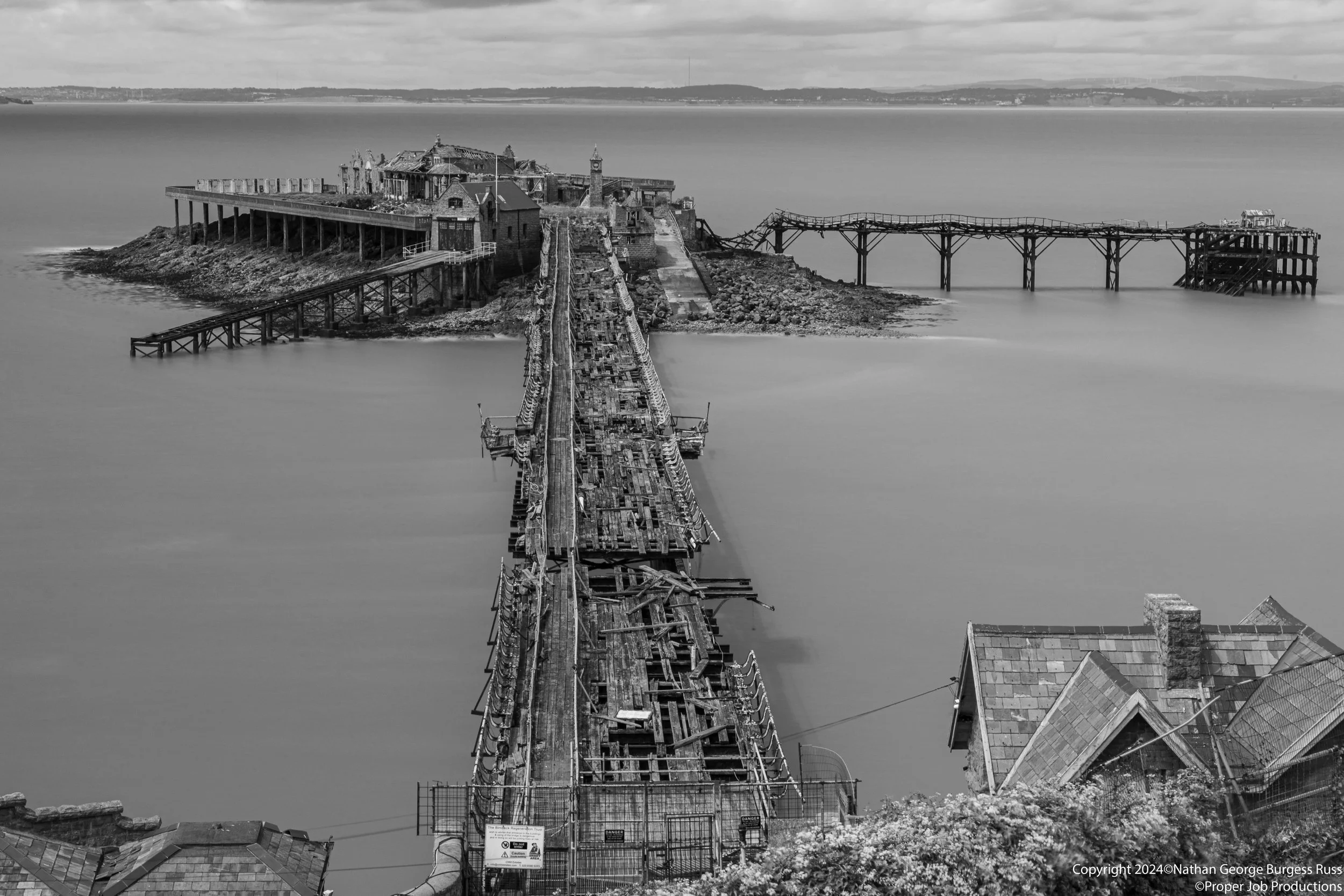
Birnbeck Pier was opened on the 5 June 1867, connecting Worlebury Hill to Birnbeck Island. Eugenius Birch innovative design allowed for the pier to survive in the harsh tidal conditions found in the Bristol Channel. The Pier buildings and toll house was designed by Hans Price. In 1941 the British Admiralty took control of the Pier and commissioned it as HMS Birnbeck as part of the Directorate of Miscellaneous Weapons Development (DMWD), till the end of war then turned back as a pleasure pier. In 1962 the pier was sold to P & A Campbell Steamer Company. In 1979 P & A Campbell sold the pier after their final excursions of the PS Waverley and MV Balmoral. In 1994 the Pier was closed to the public due to safety concerns and has been closed ever since. In 2023 the Pier was sold to North Somerset Council and the RNLI (Royal National Lifeboat Institution) for £400,000 and it will now be restored from its derelict state to its former glory.
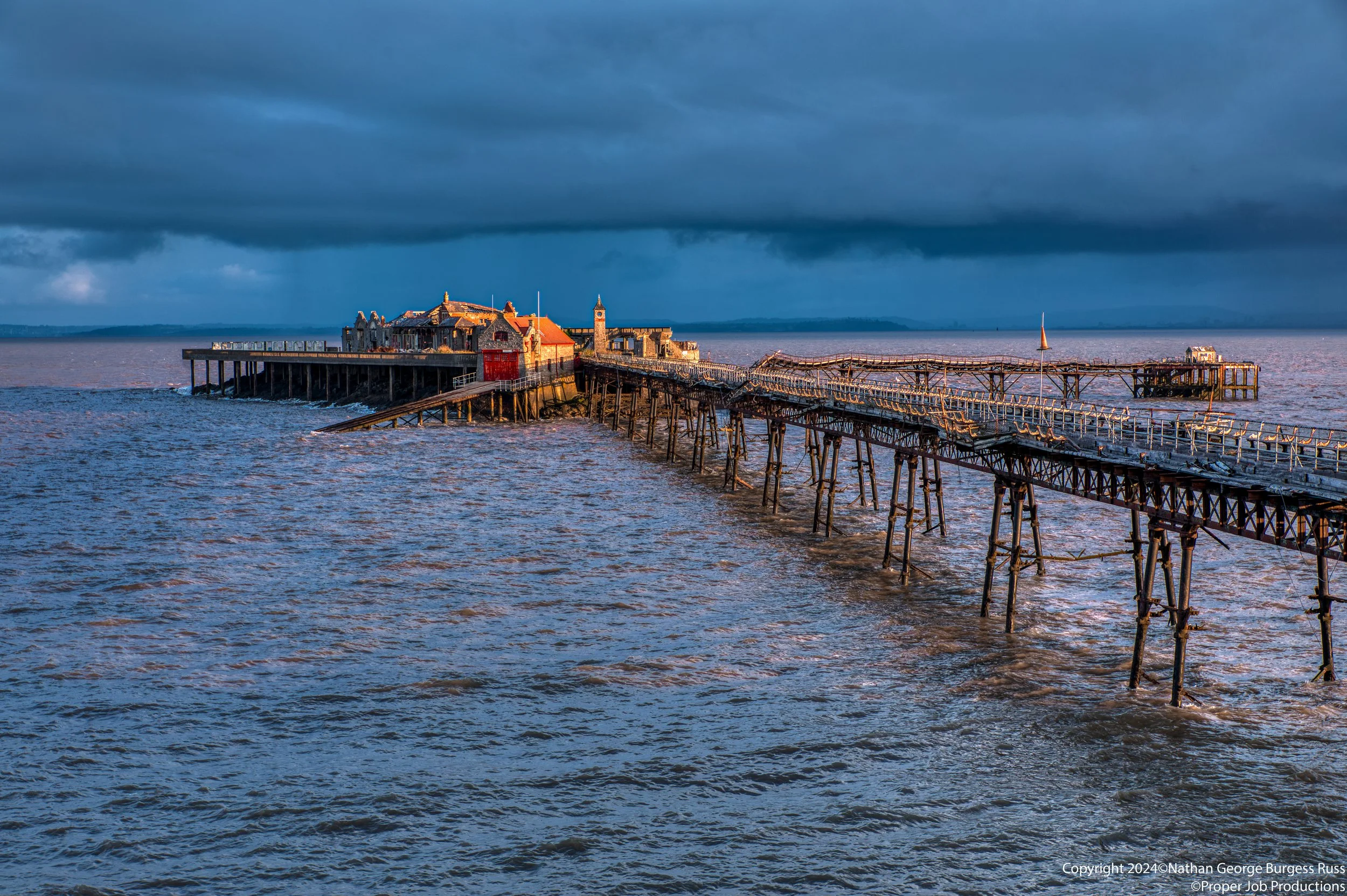
Birnbeck Pier was opened on the 5 June 1867, connecting Worlebury Hill to Birnbeck Island. Eugenius Birch innovative design allowed for the pier to survive in the harsh tidal conditions found in the Bristol Channel. The Pier buildings and toll house was designed by Hans Price. In 1941 the British Admiralty took control of the Pier and commissioned it as HMS Birnbeck as part of the Directorate of Miscellaneous Weapons Development (DMWD), till the end of war then turned back as a pleasure pier. In 1962 the pier was sold to P & A Campbell Steamer Company. In 1979 P & A Campbell sold the pier after their final excursions of the PS Waverley and MV Balmoral. In 1994 the Pier was closed to the public due to safety concerns and has been closed ever since. In 2023 the Pier was sold to North Somerset Council and the RNLI (Royal National Lifeboat Institution) for £400,000 and it will now be restored from its derelict state to its former glory.
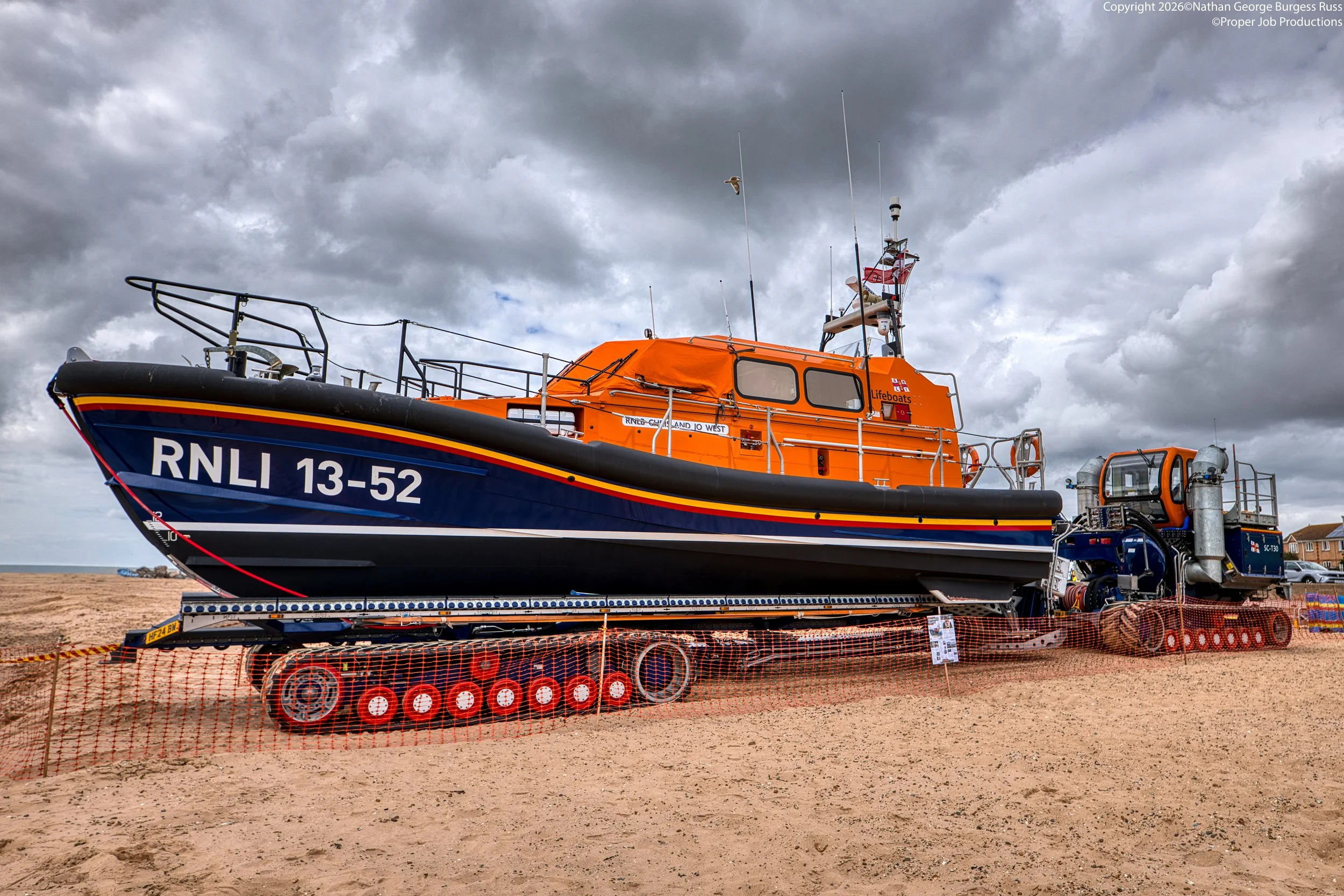
The RNLI's Shannon-class lifeboat Chris and Jo West 13-52 with the accompanying Shannon Launch and Recovery System (SLARS) SC-T30 on Clacton-On-Sea beach. The Royal National Lifeboat Institution introduced the Shannon Class in 2014, with the Chris and Jo West being delivered to Clacton-On-Sea in November 2024.
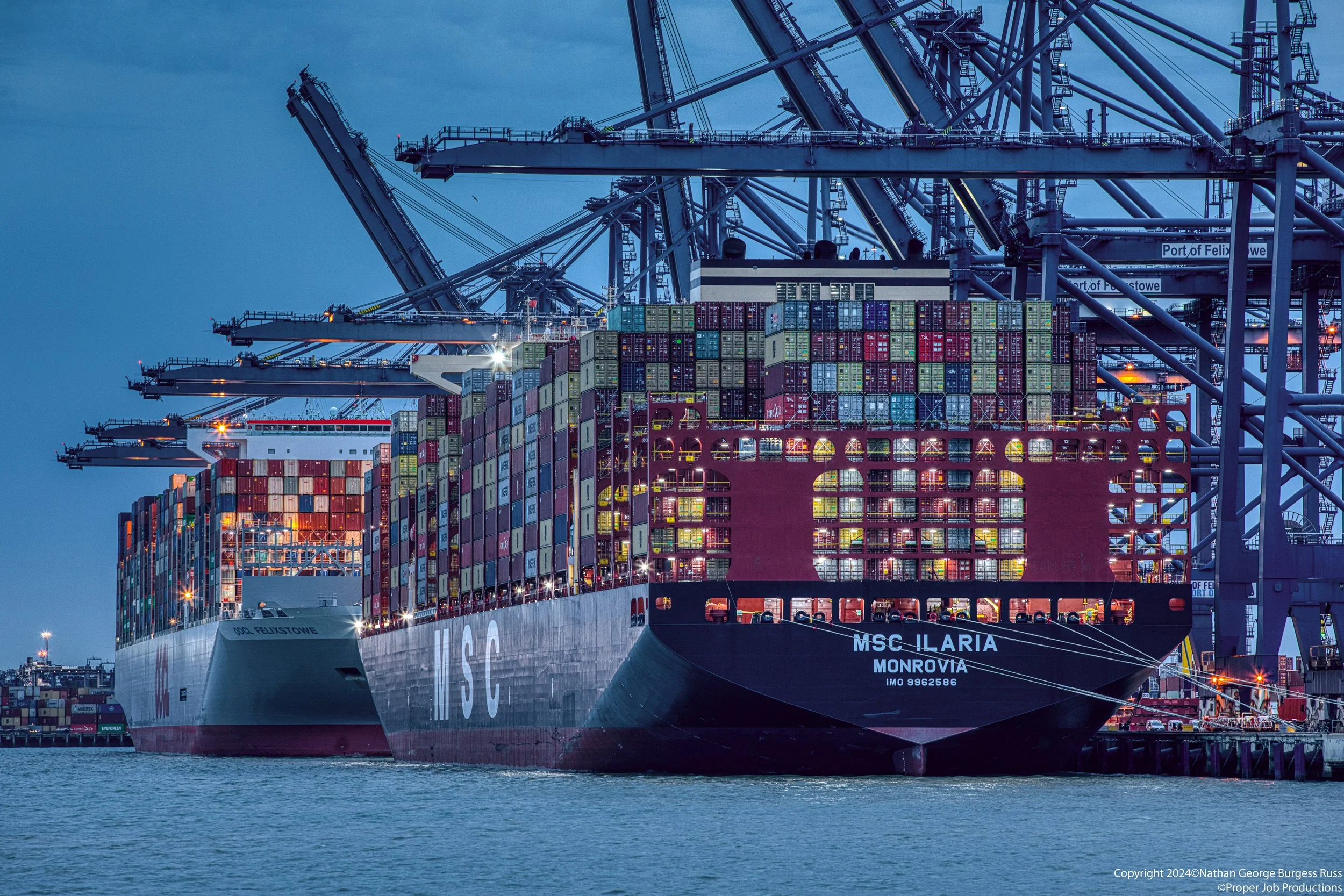
MSC Ilaria and OOCL Felixstowe in the Landguard terminal in the Port of Felixstowe during blue hour.
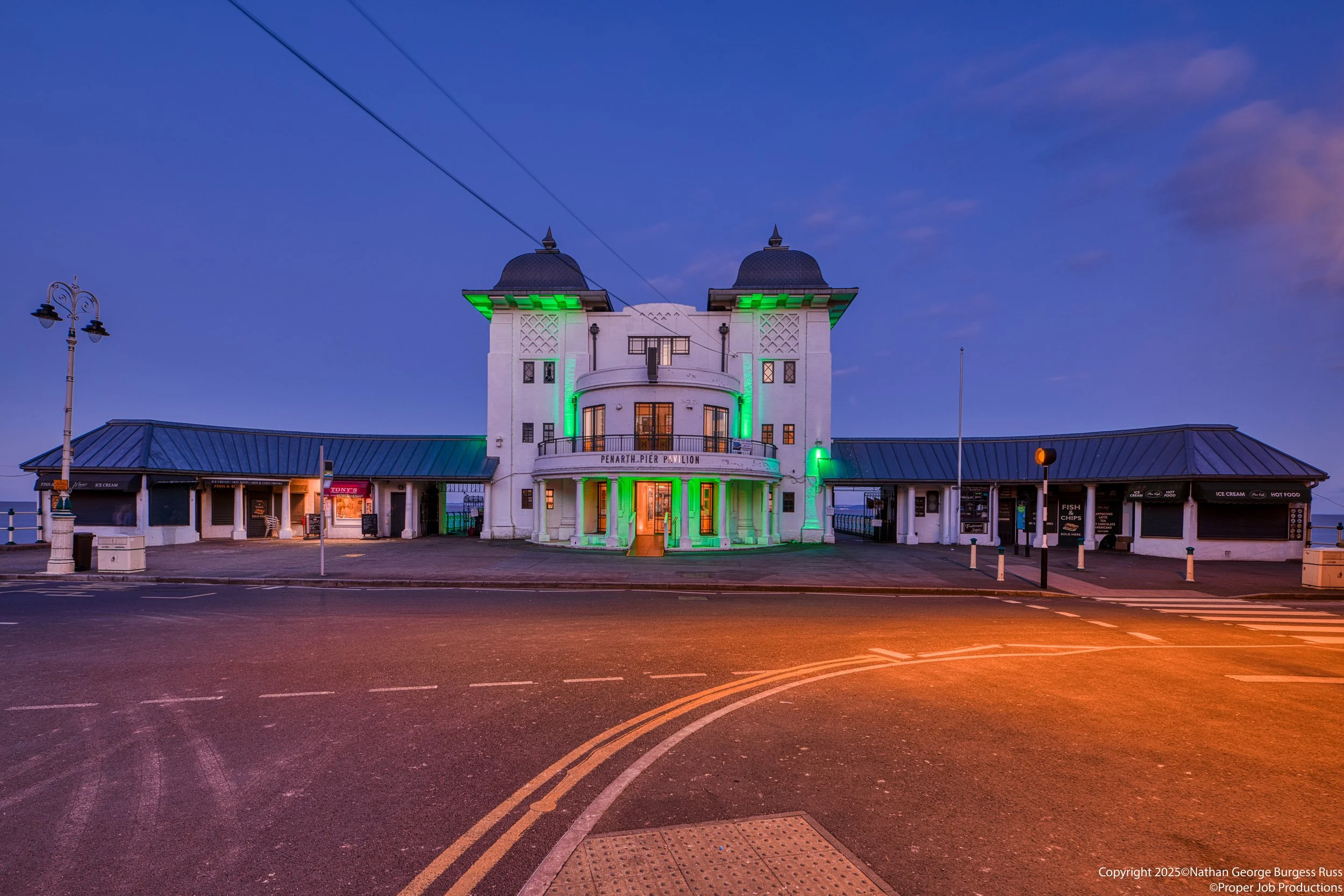
Penarth Pier Pavilion during evening blue hour. Penarth Pier Pavilion is an Art Deco Pavilion built in 1929-1930 at the landside of Penarth Pier. The Pavilion was restored in 2013 with a cinema, cafe, observator and community use area.
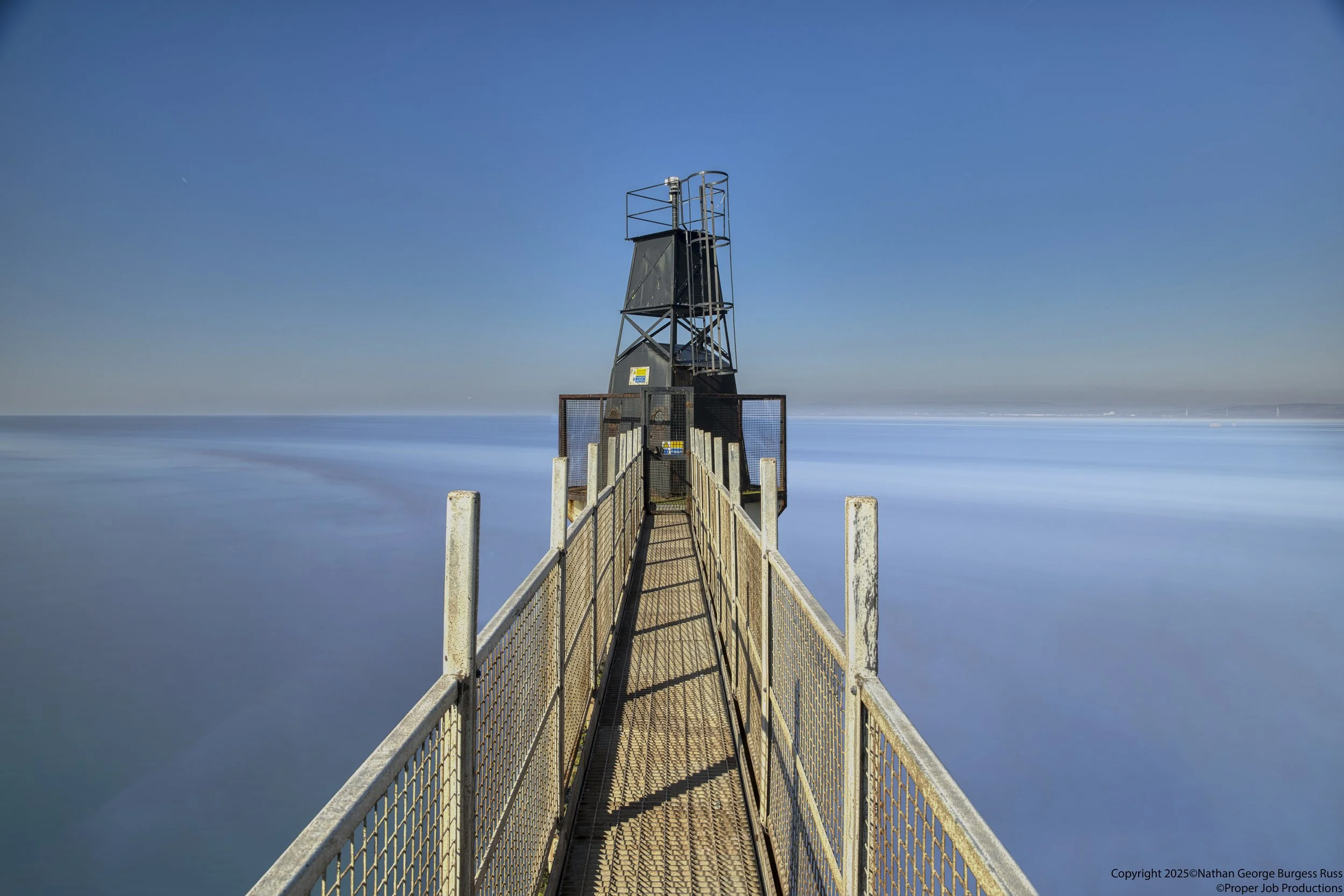
Battery Point Lighthouse at high tide during a King Tide. Battery Point Lighthouse also known as Portishead Point was built in 1931 by the Chance Brothers of Smethwick for the Bristol Port Company.
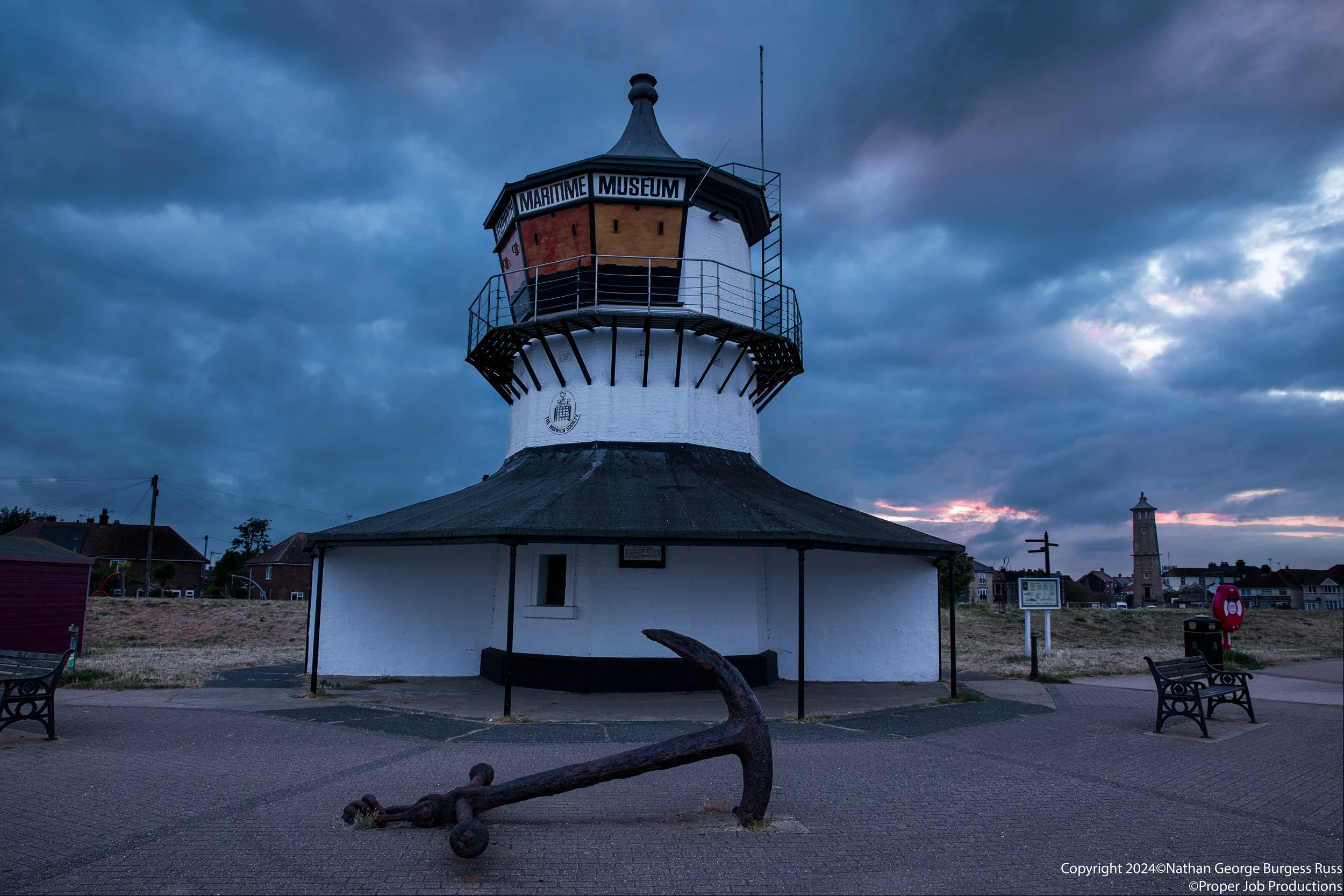
Harwich Low and High Lighthouse during blue hour. The 21 meter tall Harwich High Lighhouse was designed and built by Daniel Asher Alexander at the same time as the Low Lighthouse. Harwich Low Lighthouse is a 16.5 metre tall brick building with 10 sides, which was built in 1818 as a replacement for the 17th century wooden Lighthouses. Originally built by John Rennie senior on the behalf of Major-General Francis Slater Rebow, whose family become extreamily wealthy by charging 1d (1 penny in old money or 24p in new money) per ton on light duty cargo going into Harwich Port. In 1836 Major-General ended his lease of the Lighthouse 12 years and 5 days early by selling it to Trinity House for £31,730 (in old money or £1,822,266.59 in new money). As the course of the River Stour changed both the High & Low Lighthouses become redundant in 1863 and new Cast Iron Lighthouses are built on Dovercourt Beach. Trinity House sold both lighthousesin 1909 to Tendering Borough Council with the condition that Trinity House can take control of the lighthouse if it should be needed for Navigational purposes, which happened in 1970 when the Low Lighthouse was used as a pilot station till the new station could be built in Angelgate in 1974. When the Low Lighthouse was returned to Tendering District Council it was decided that it should become the Maritime Museum of the Harwich Soceity in 1980 and was officially opened by the Lord Lieutentant of Essex Admiral Sir Andrew Lewis KCB, along with Chairman of Tendering District Council Fred Goodman, Mayor of Harwich Lindsey Glenn, High Steward Bill Bleakley, Vice Chairman of the Harwich Society Peter Brunning and Secretary Andy Rutter.
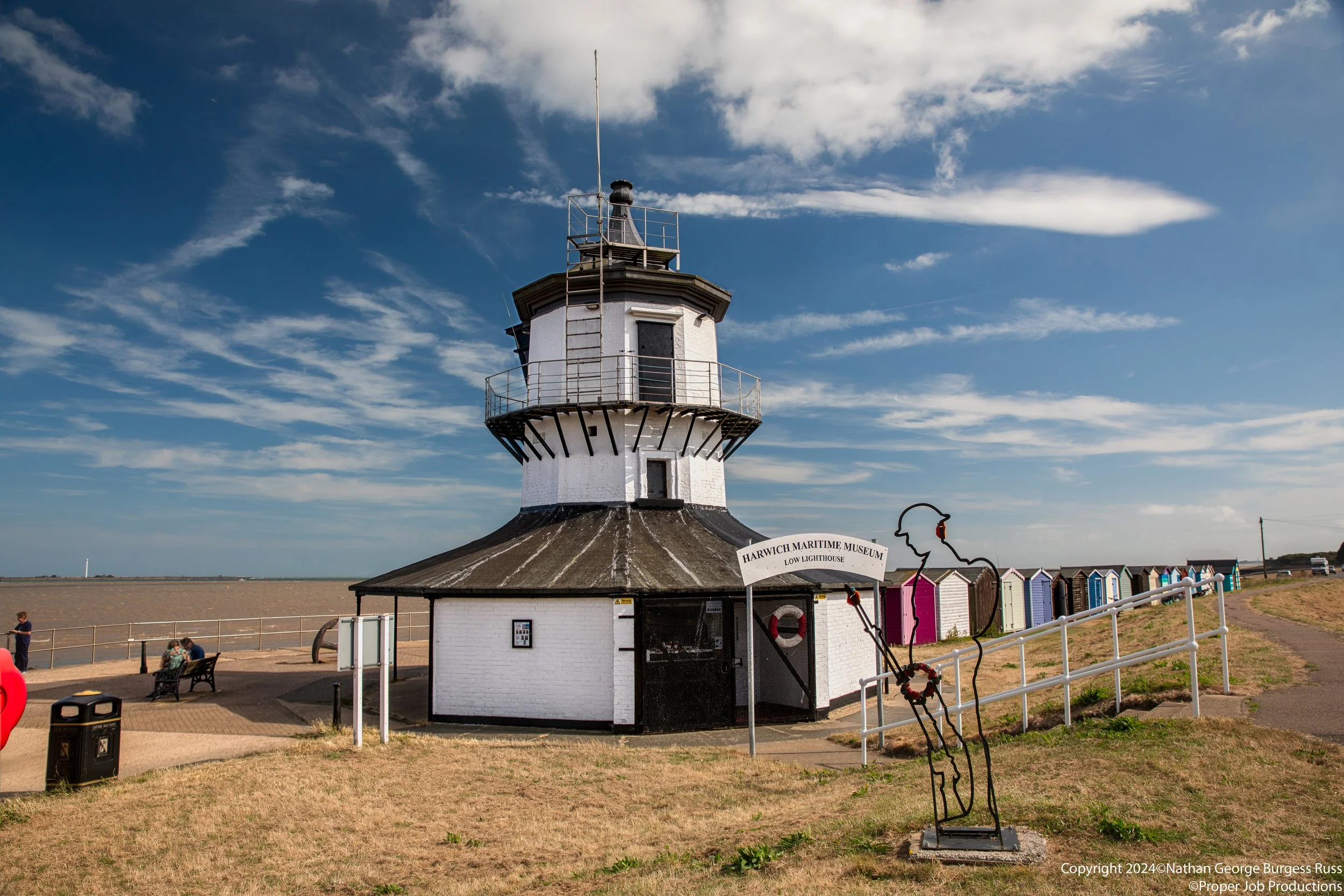
Harwich Low Lighthouse is a 16.5 metre tall brick building with 10 sides, which was built in 1818 as a replacement for the 17th century wooden Lighthouses. Originally built by John Rennie senior on the behalf of Major-General Francis Slater Rebow, whose family become extreamily wealthy by charging 1d (1 penny in old money or 24p in new money) per ton on light duty cargo going into Harwich Port. In 1836 Major-General ended his lease of the Lighthouse 12 years and 5 days early by selling it to Trinity House for £31,730 (in old money or £1,822,266.59 in new money). As the course of the River Stour changed both the High & Low Lighthouses become redundant in 1863 and new Cast Iron Lighthouses are built on Dovercourt Beach. Trinity House sold both lighthousesin 1909 to Tendering Borough Council with the condition that Trinity House can take control of the lighthouse if it should be needed for Navigational purposes, which happened in 1970 when the Low Lighthouse was used as a pilot station till the new station could be built in Angelgate in 1974. When the Low Lighthouse was returned to Tendering District Council it was decided that it should become the Maritime Museum of the Harwich Soceity in 1980 and was officially opened by the Lord Lieutentant of Essex Admiral Sir Andrew Lewis KCB, along with Chairman of Tendering District Council Fred Goodman, Mayor of Harwich Lindsey Glenn, High Steward Bill Bleakley, Vice Chairman of the Harwich Society Peter Brunning and Secretary Andy Rutter.
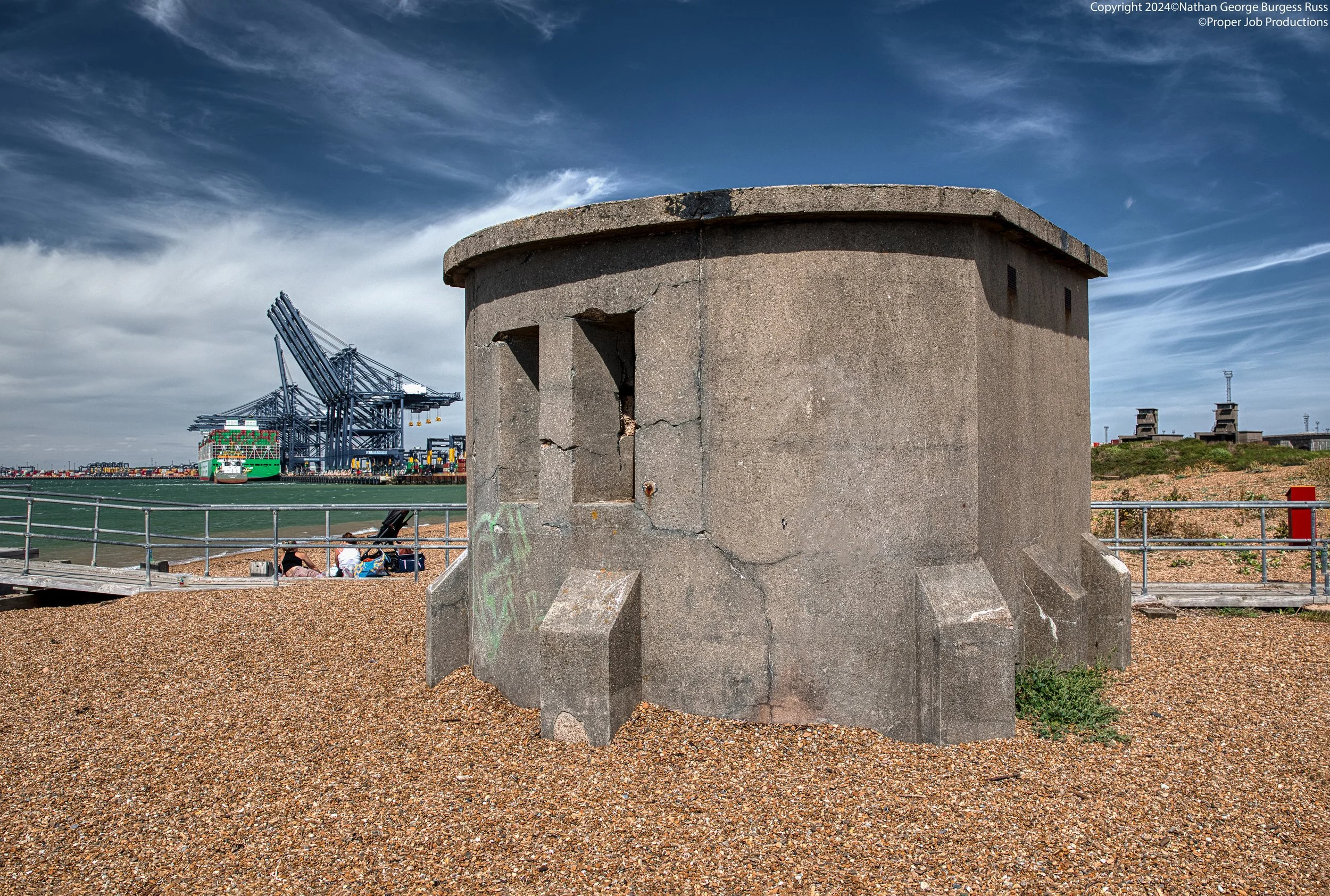
Pillbox on Landguard Point keeping guard over the channel into Felixstowe and Harwich ports
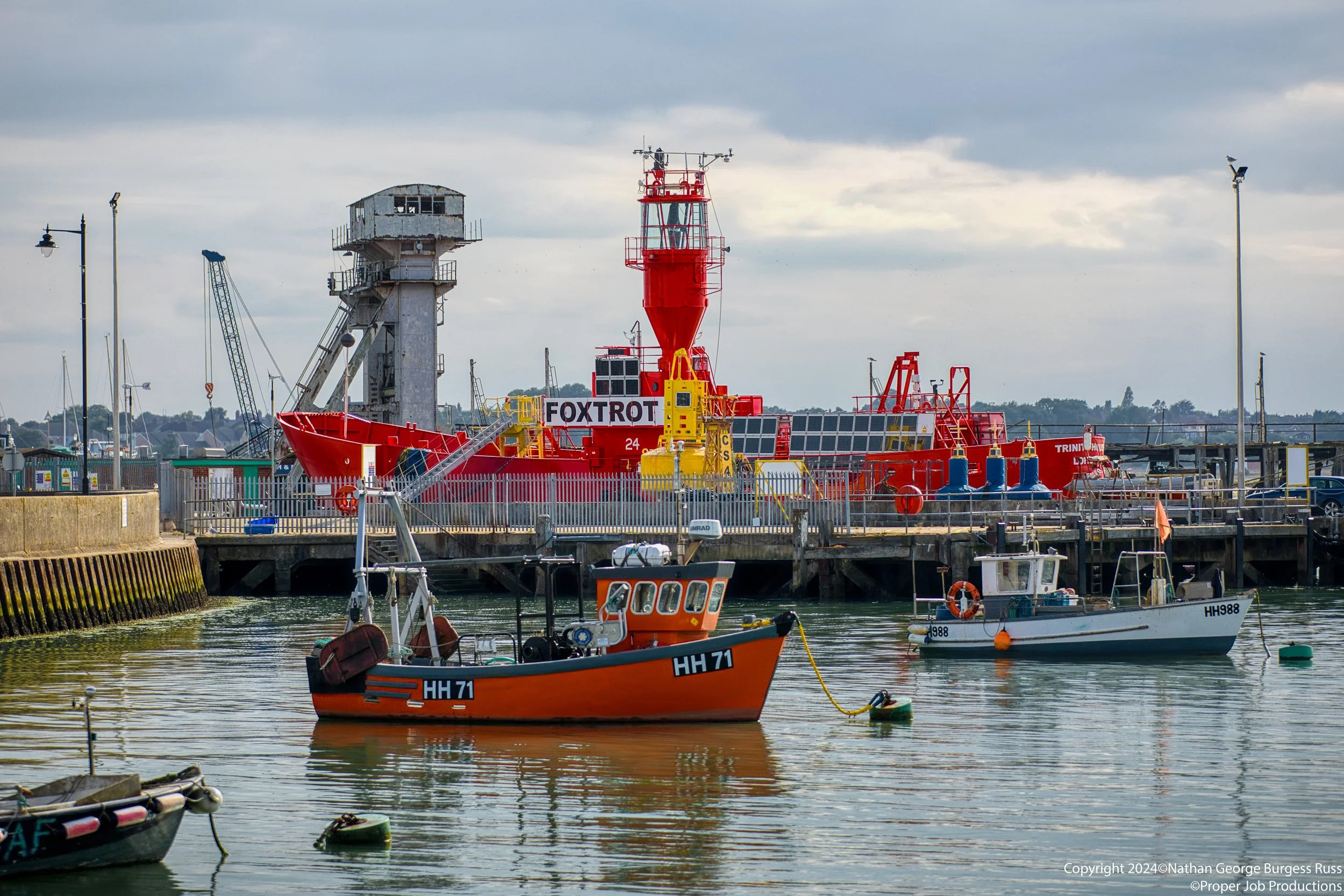
Trinity House Lightvessel 24 - Foxtrot 3 in Trinity House Docks, with the Jackie Dawn and HH988 in Harwich Haven Harbour.
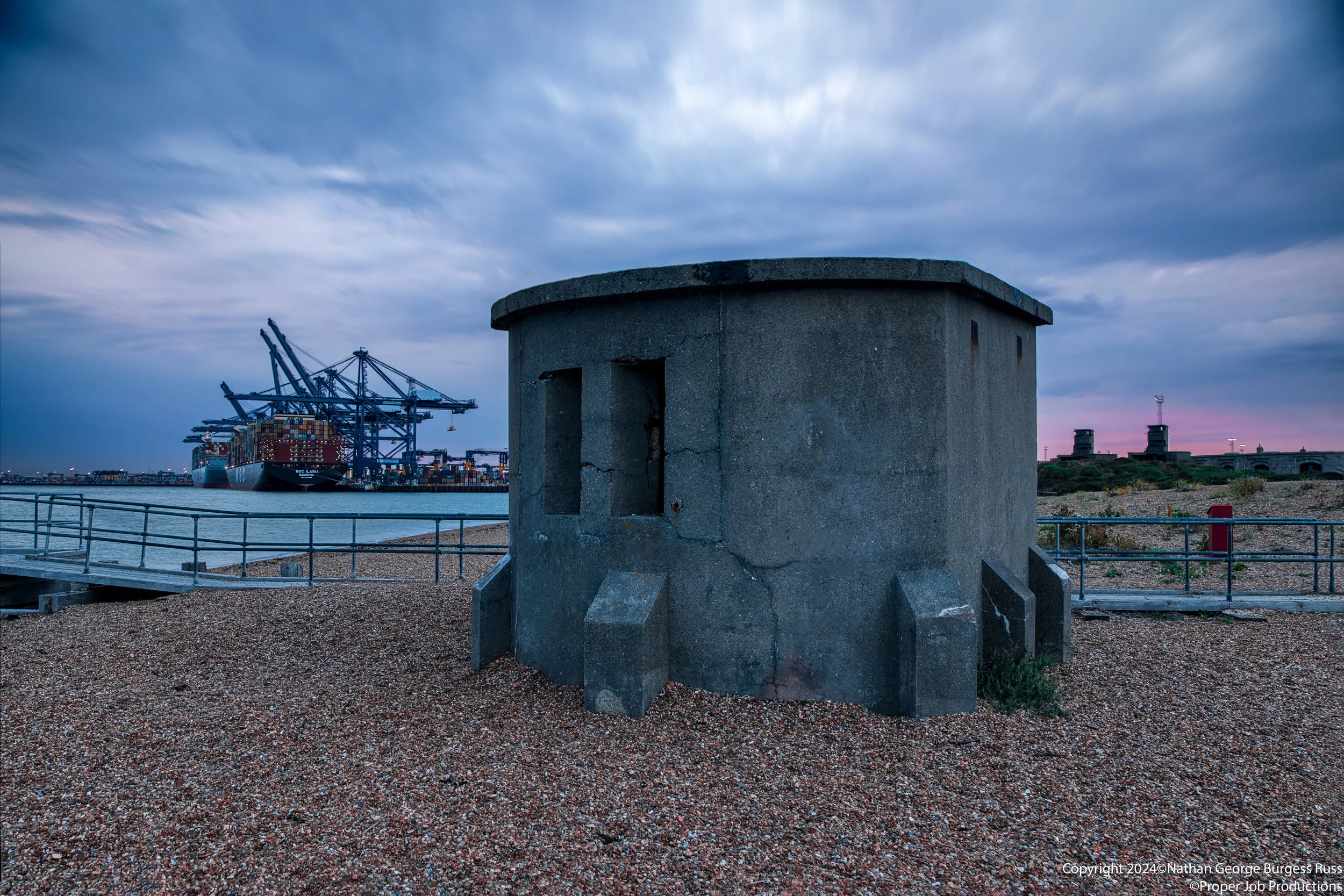
Pillbox on Landguard Point keeping guard over the channel into Felixstowe and Harwich ports at evening blue hour
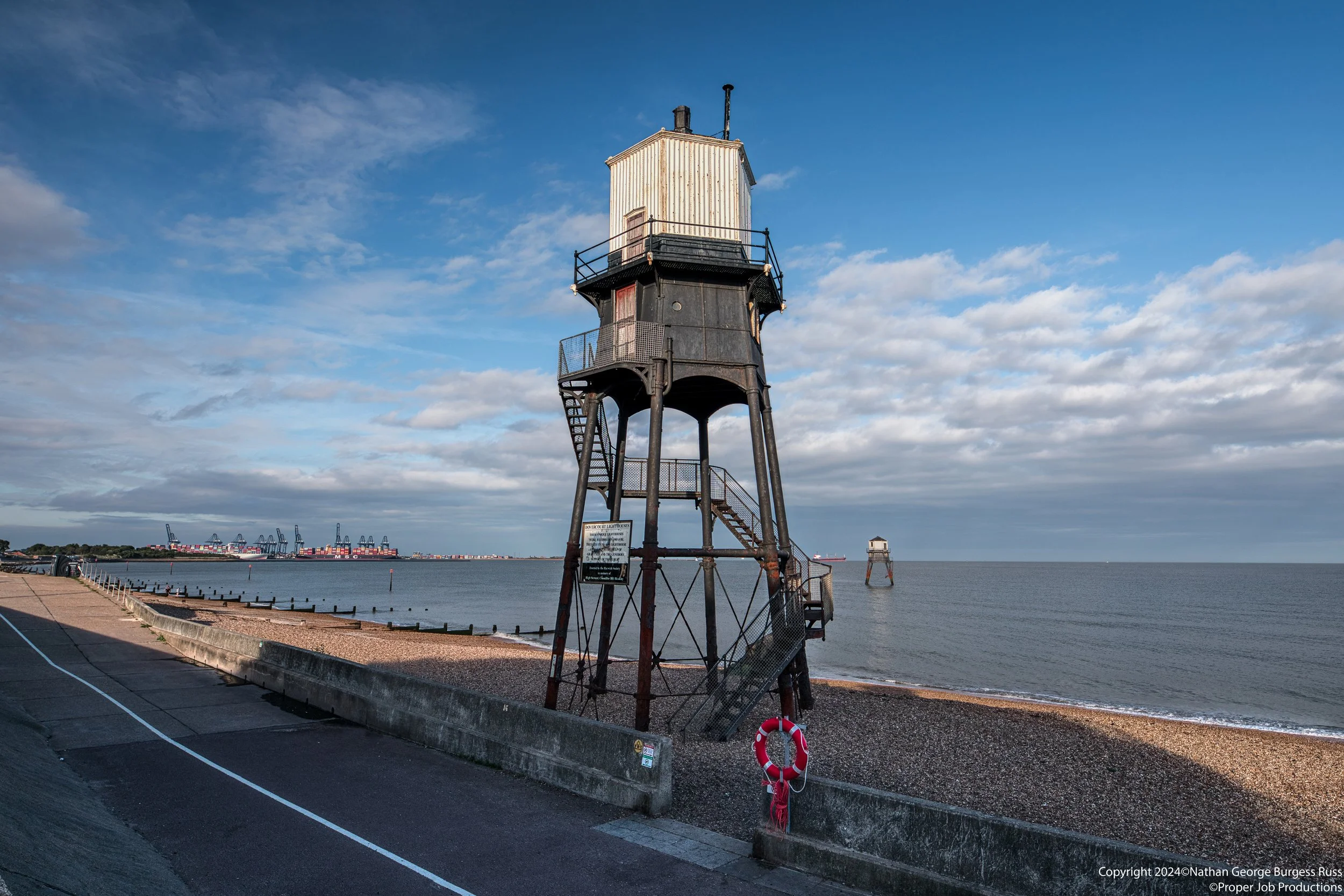
Dovercourt High and Low Lighthouses
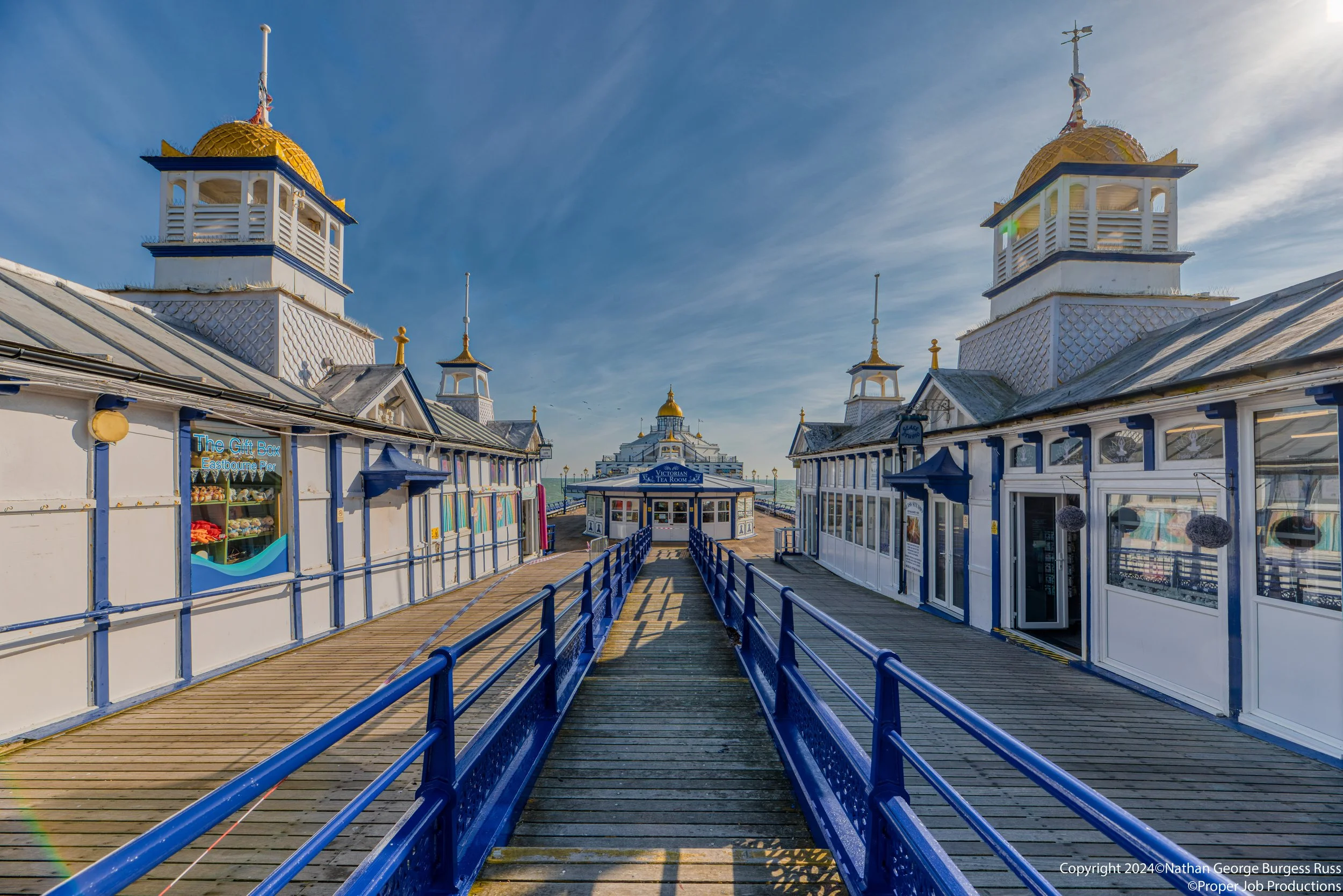
Eastbourne Pier looking toward the Victorian Tea Rooms.
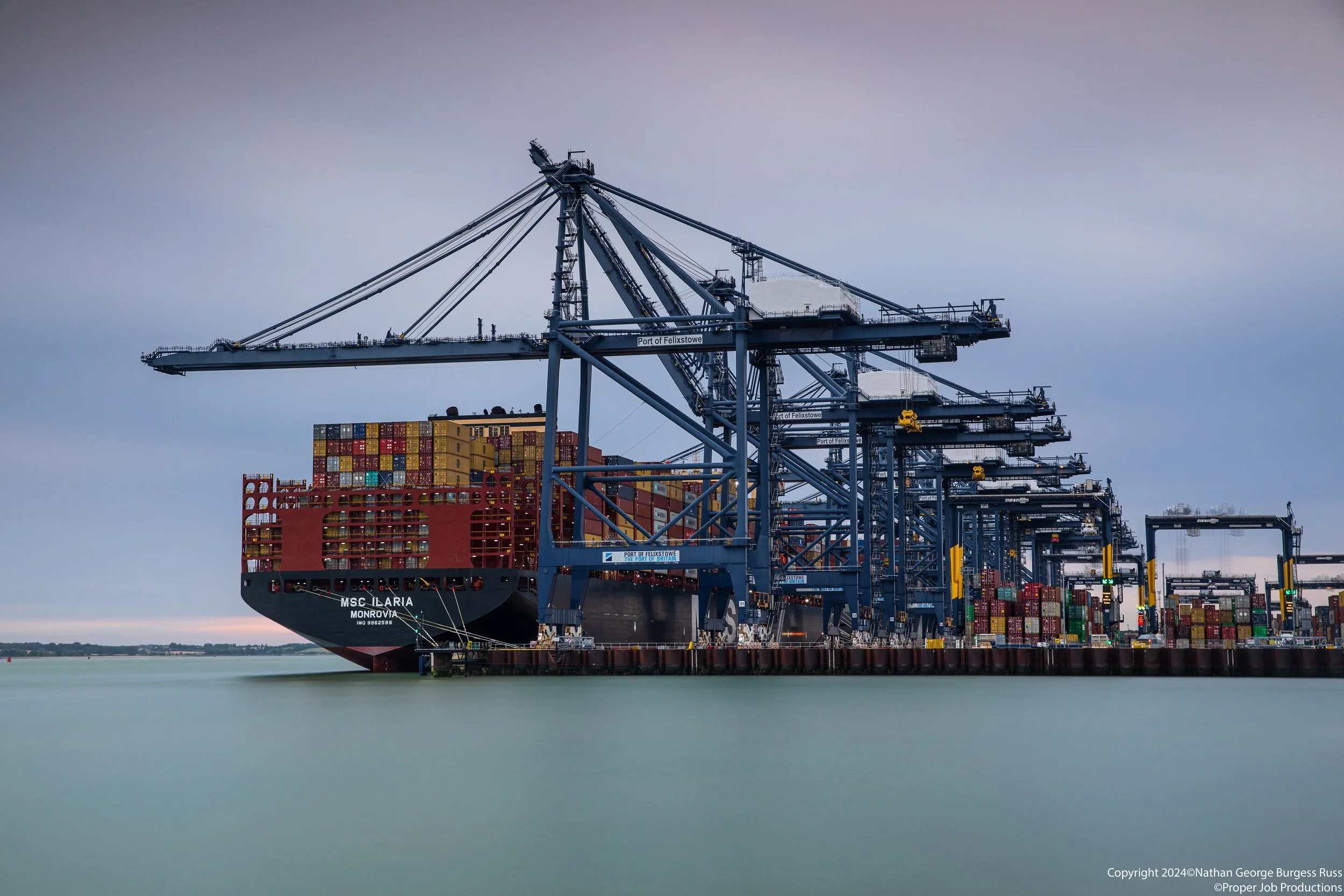
MSC Ilaria and OOCL Felixstowe in the Landguard terminal in the Port of Felixstowe during blue hour.
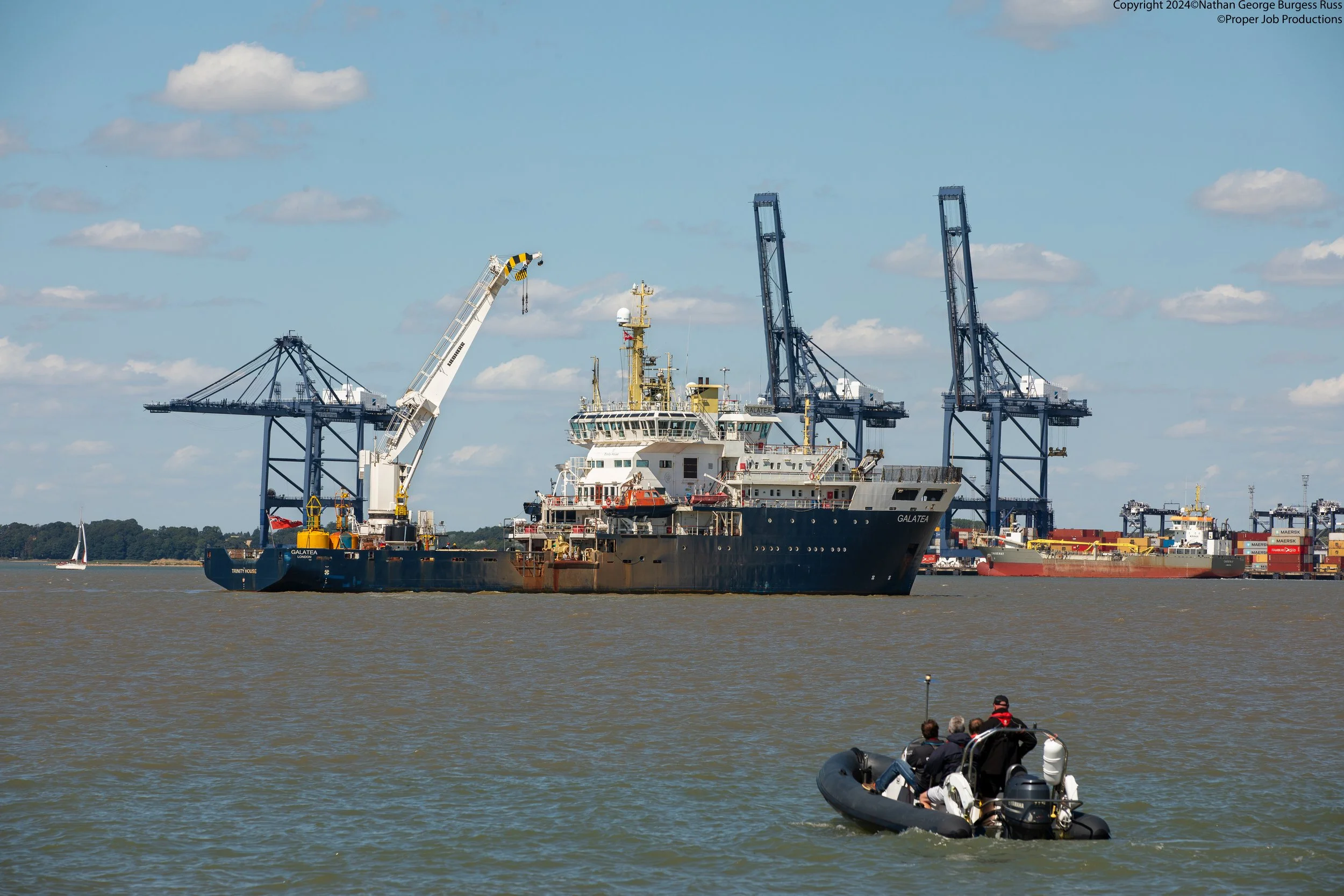
THV Galatea is a Multi-functional Tender (MFT) and was built in 2006 for Trinity House for laying buoys, hydrographic surveys and marine research.
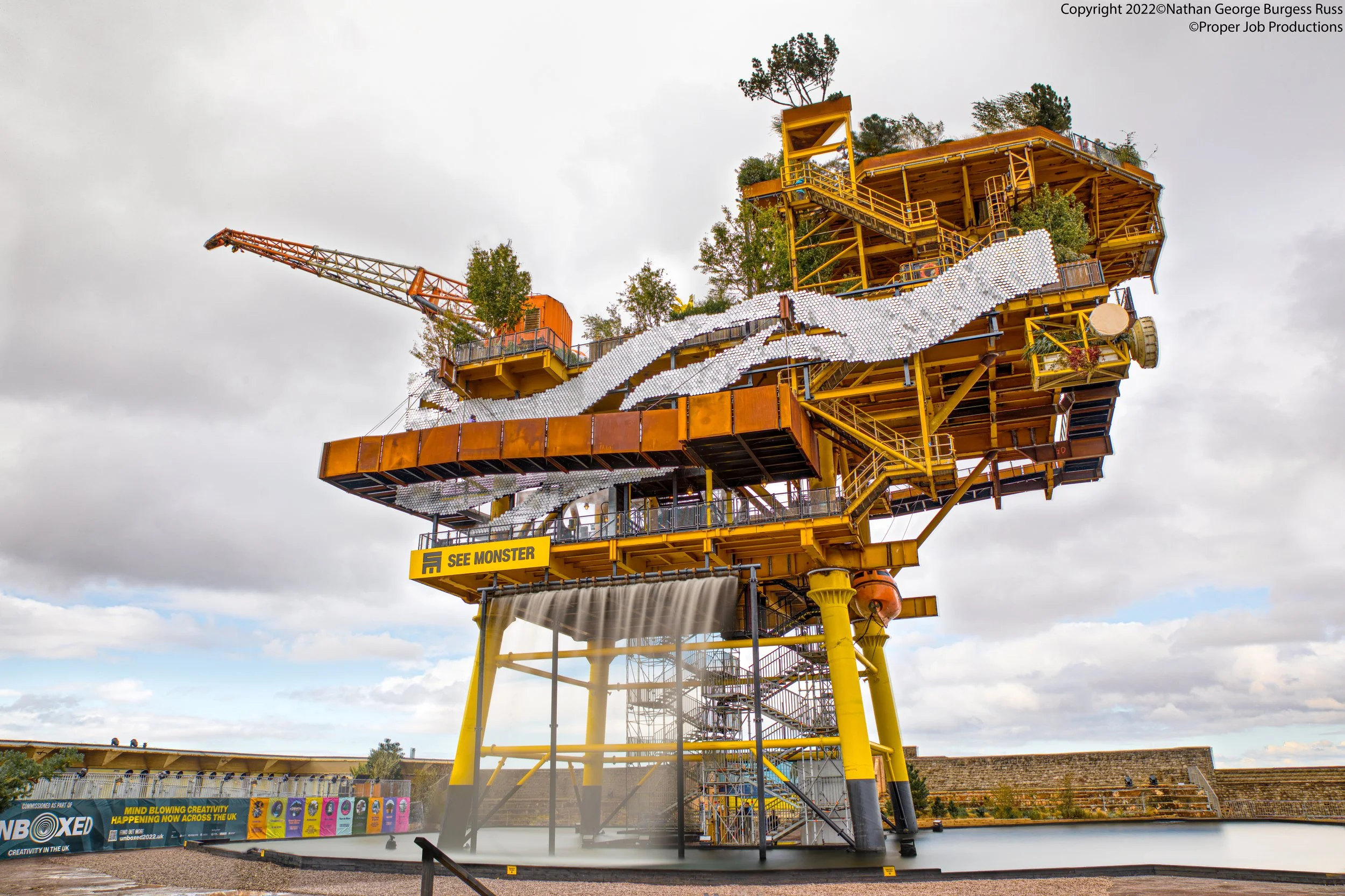
See Monster long exposure with its 10 meter waterfall running in the Tropicana at Weston-Super-Mare.
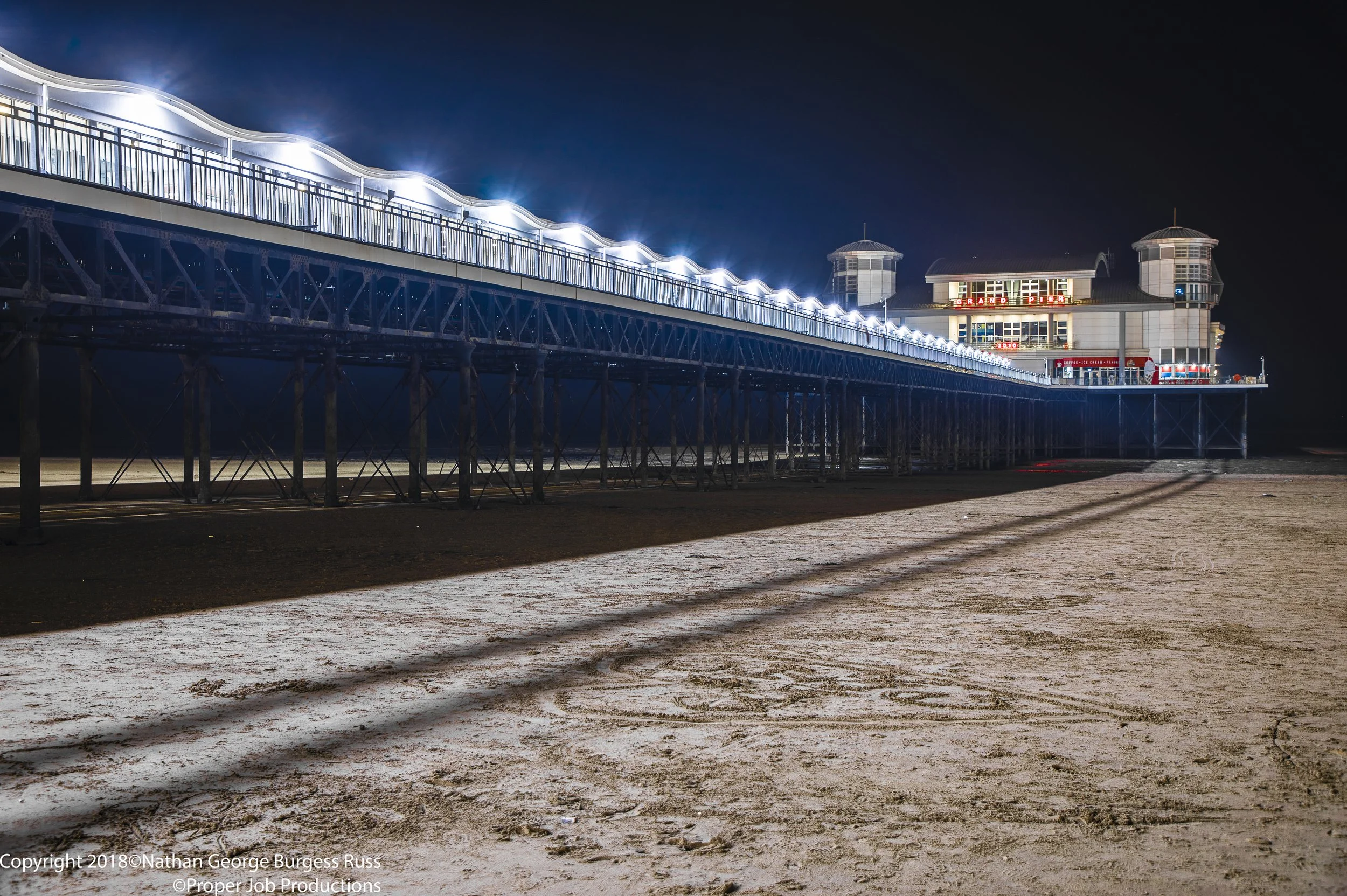
The Grand Pier is a classical example of late victorian/early edwardian pleasure pier, and the end of the pier is the third pavilion built at the far end of the pier, with the first being destroyed by fire on January the 13th in 1930 and the second pavilion being destroyed by fire on July the 28th in 2008. The total length of the Pier is 1,201 feet supported by 600 Iron piles driven deep into the sand.
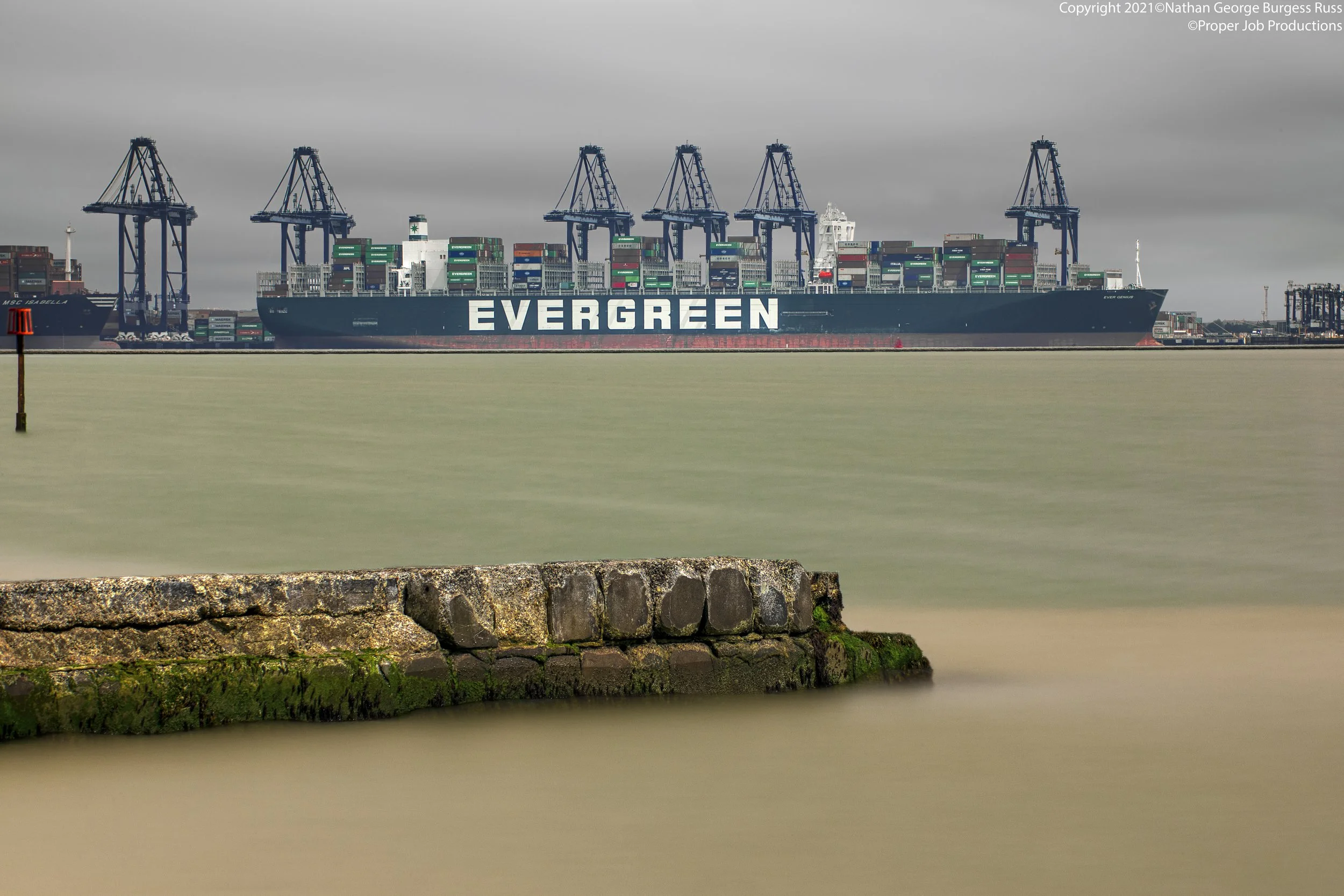
A 90 second long exposure of the Evergreen Genius in Felixstowe Docks Landguard Terminal and part of the causeway leading to the Lower Lighthouse at Dovercourt Beach. The Port of Felixstowe is the largest container port in the UK, the 8th in europe and 43rd in the world. The Port was created in 1875 as an Act of Parliament and in 1967 chosen to be the first container terminal in the UK in a deal with Maersk Sealand. The Evergreen Genius was built in 2018 with a gross tonnage of 217612 and operated by Marugame Kisen Kaisha Ltd & La Darien Navigation SA
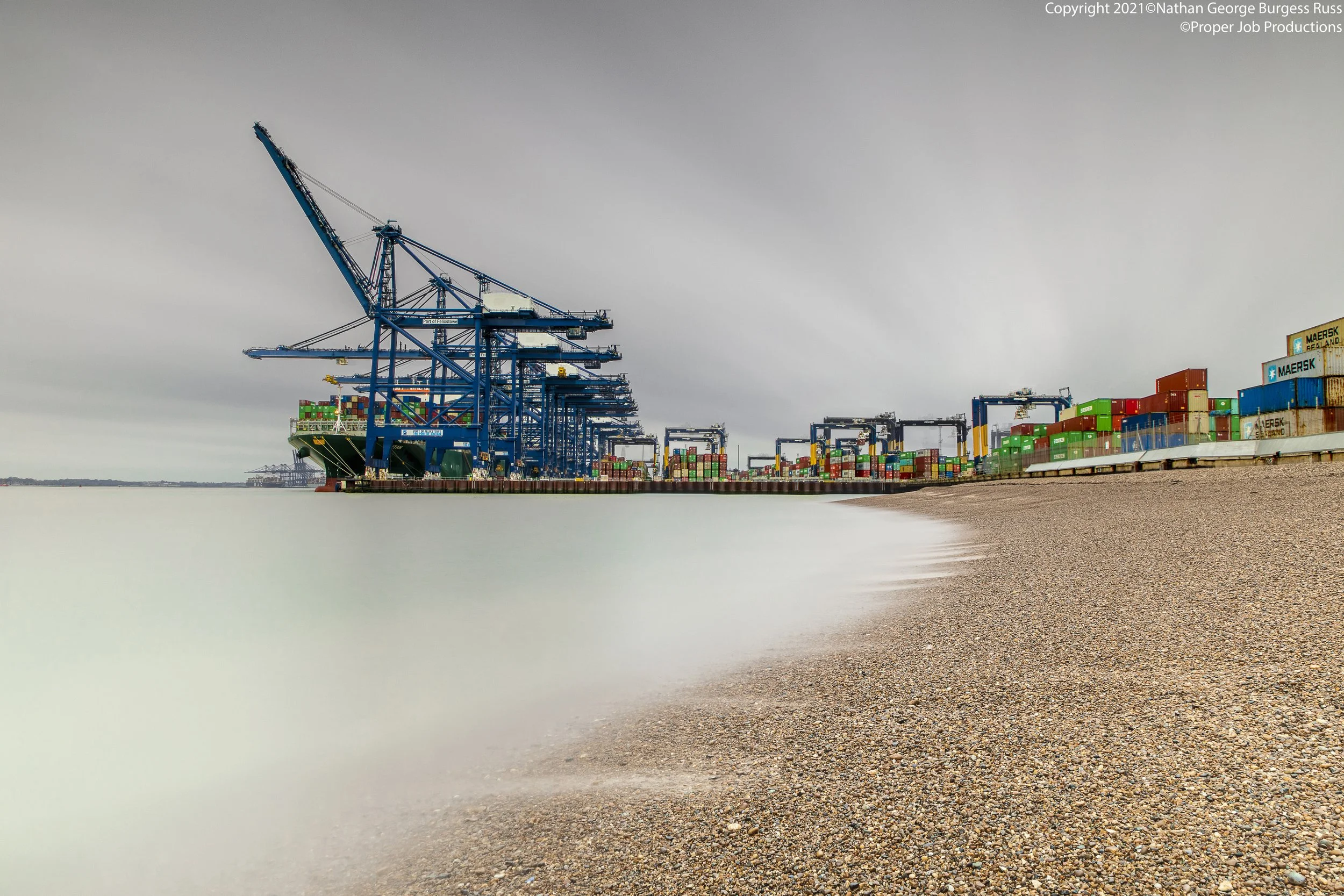
A 300 second long exposure of Felixstowe Docks Landguard Terminal, Landguard beach and the container ship Titan. The Port of Felixstowe is the largest container port in the UK, the 8th in europe and 43rd in the world. The Port was created in 1875 as an Act of Parliament and in 1967 chosen to be the first container terminal in the UK in a deal with Maersk Sealand. The Titan was built in 2016 with a gross tonnage of 149210 and operated by Bermuda Maritime Ltd.
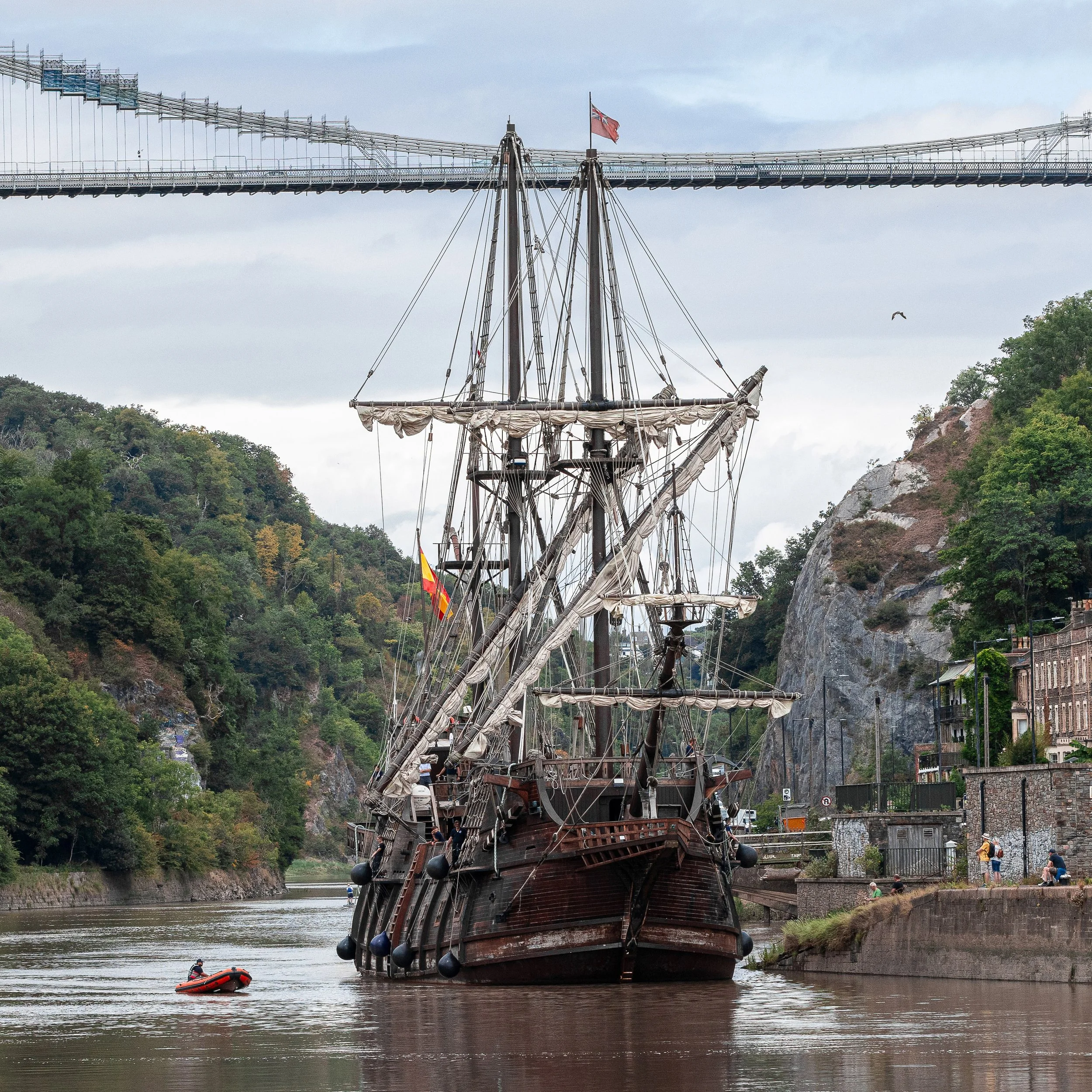
The El Galeon Andalucia shortly after passing under the Clifton Suspension Bridge on approach to Brunel Lock.
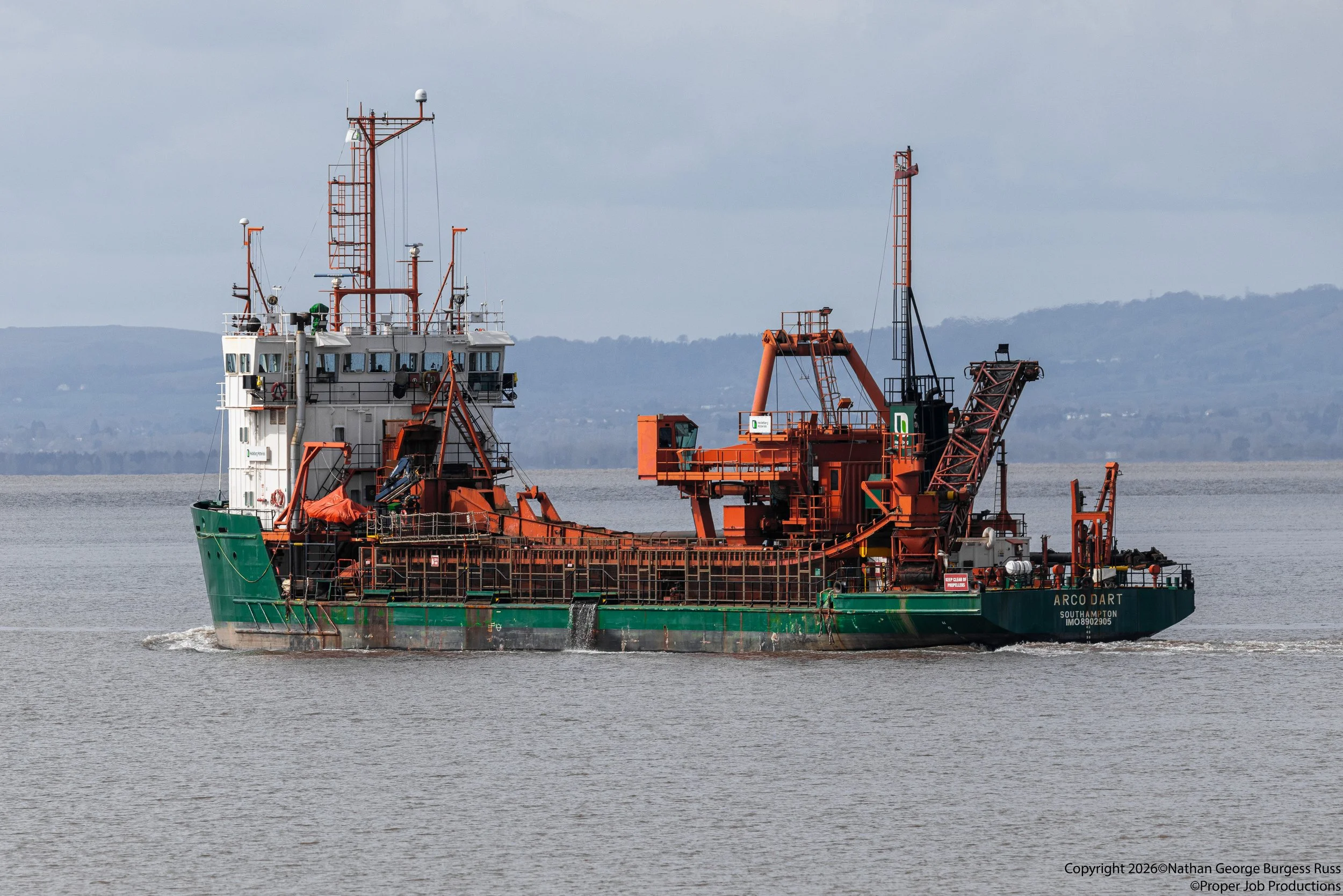
The Arco Dart going past Battery Point in Portishead. The Arco Dart is a Bureau Veritas Hopper Dredger built in 1990 by Royal IHC at the Sliedrecht shipyards. She was owned by Hanson Aggregates Marine, but now operates for Heidelberg Materials.
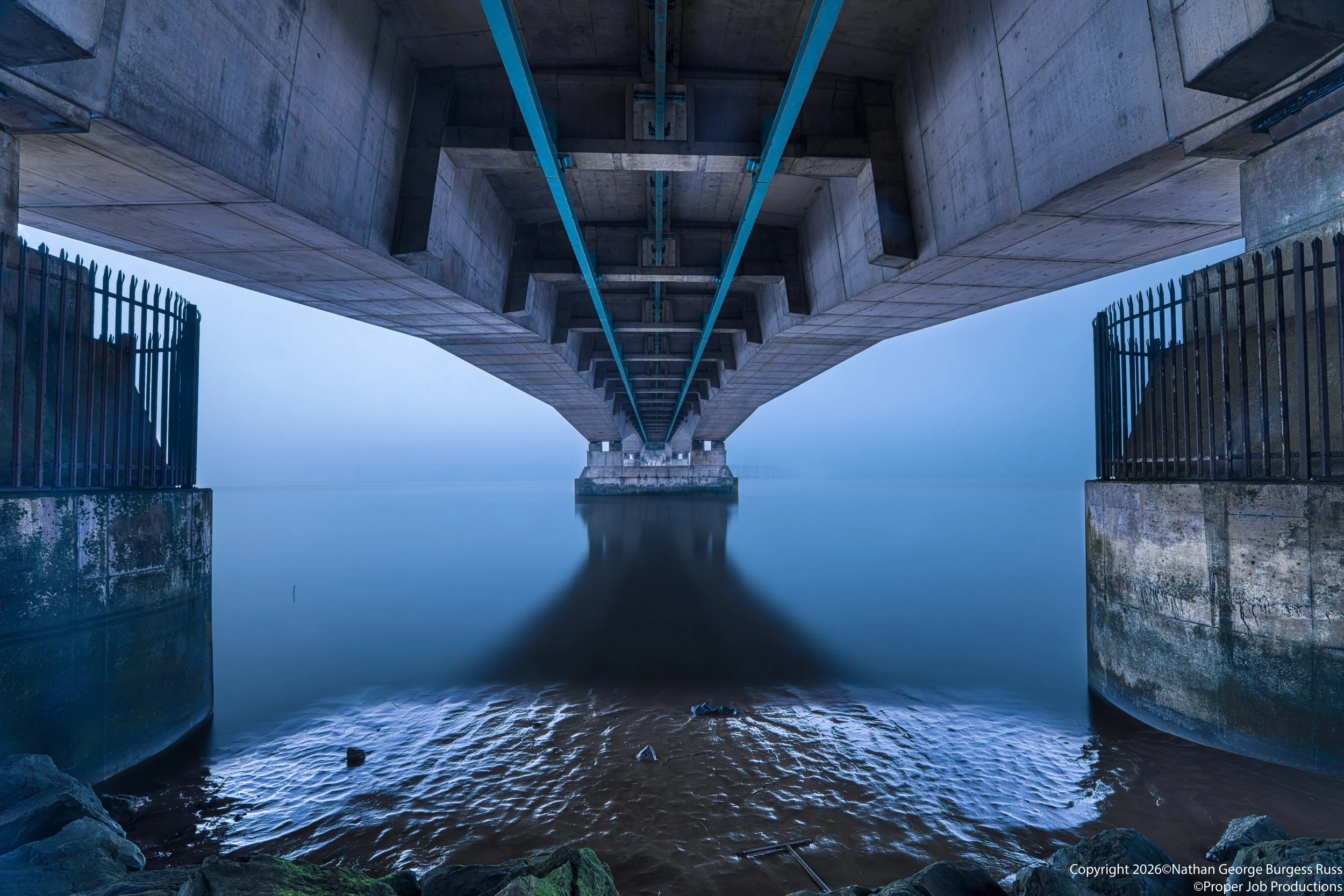
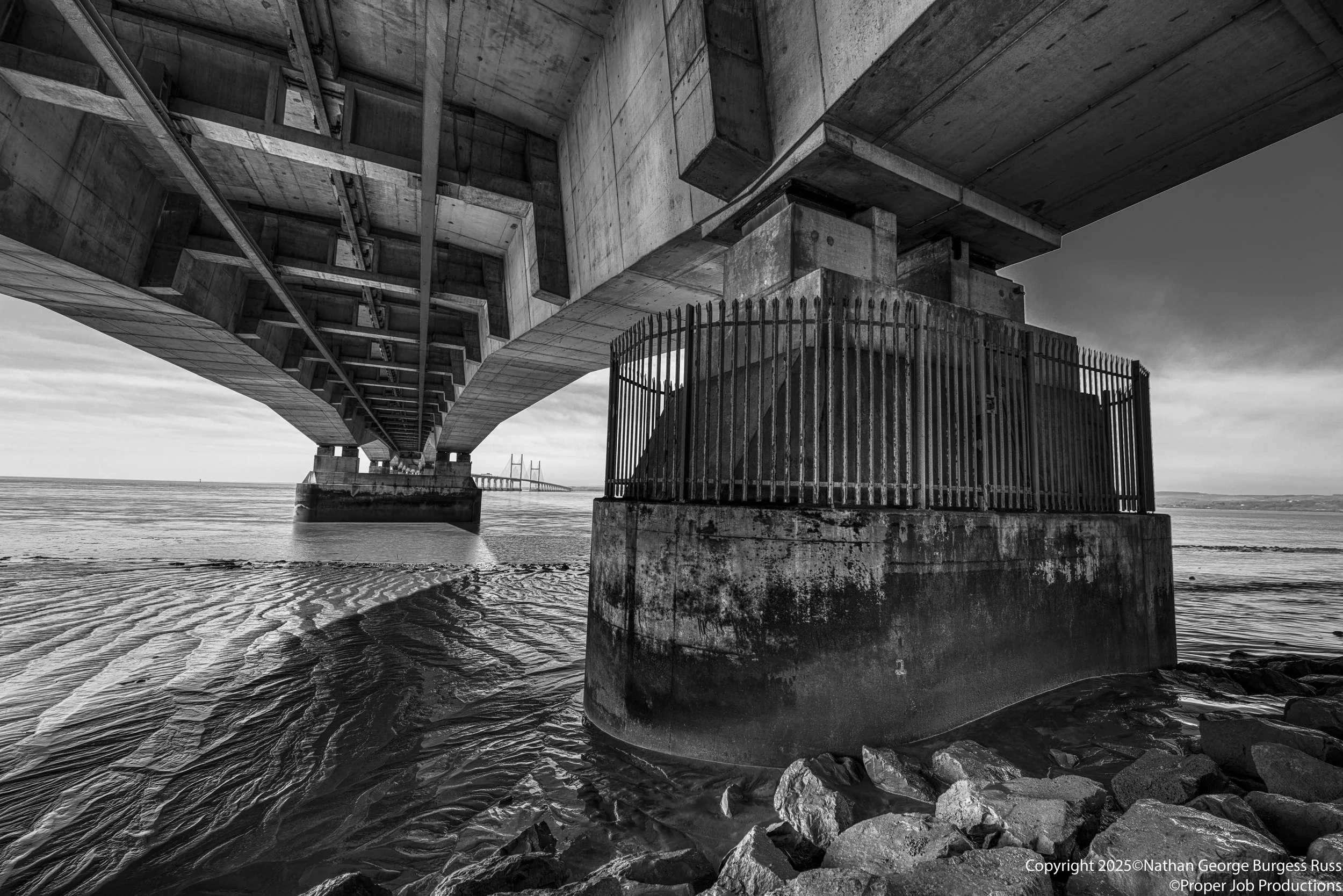
The Underside of the Prince of Wales Bridge - Pont Tywysog Cymru, formerly known as the Second Severn Crossing at Severn Beach in todays fog at high tide. The Prince of Wales Bridge carries the M4 over the River Severn, the building of the bridge took four years to complete (1992-1996).
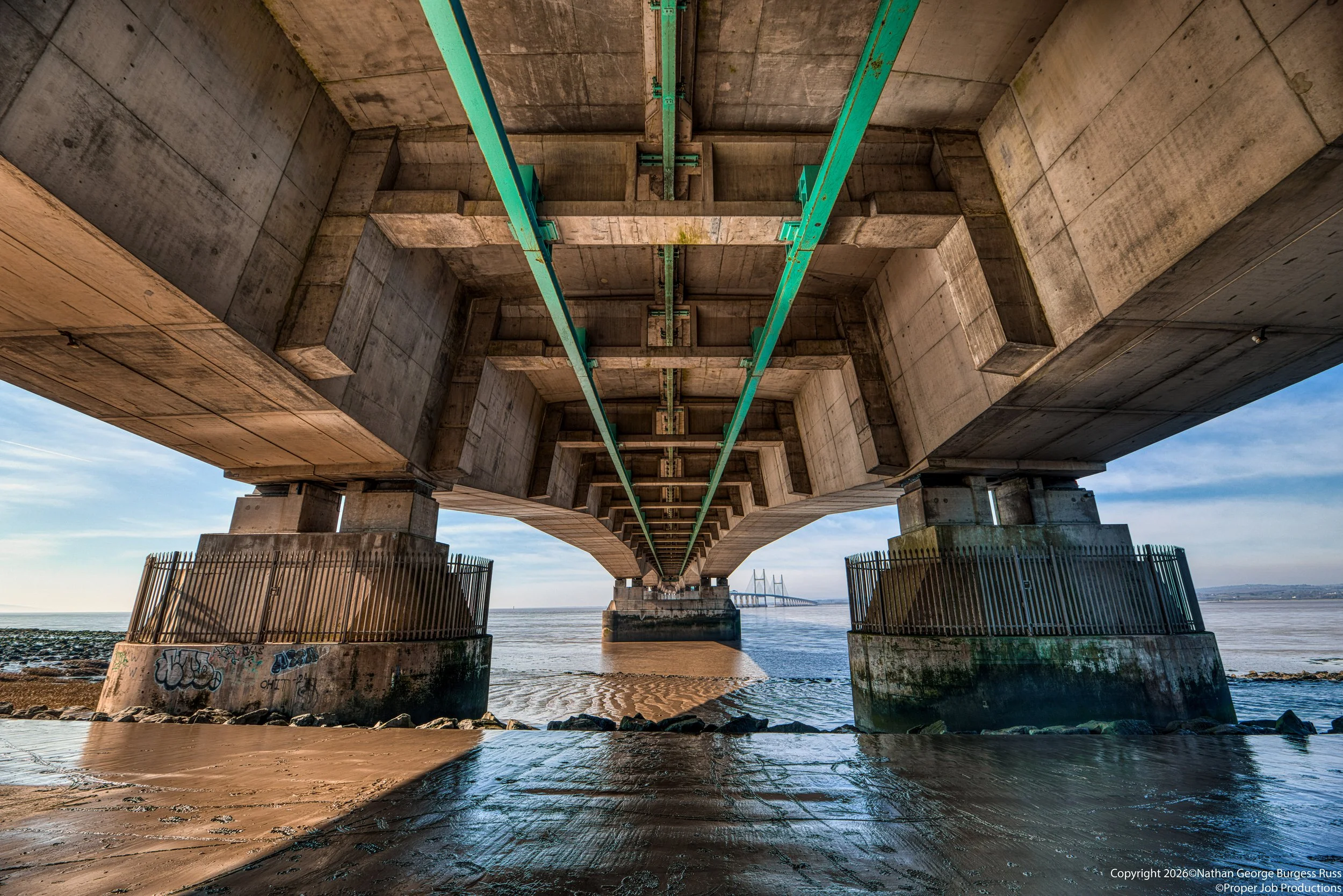
The underside of the Prince of Wales Bridge (Pont Tywysog Cymru), formerly known as the Second Severn Crossing (Ail Groesfan Hafren). The Bridge opened in 1996 to carry the M4 over the River Severn Estuary, to relieve the traffic on the first Severn Bridge on the M48.
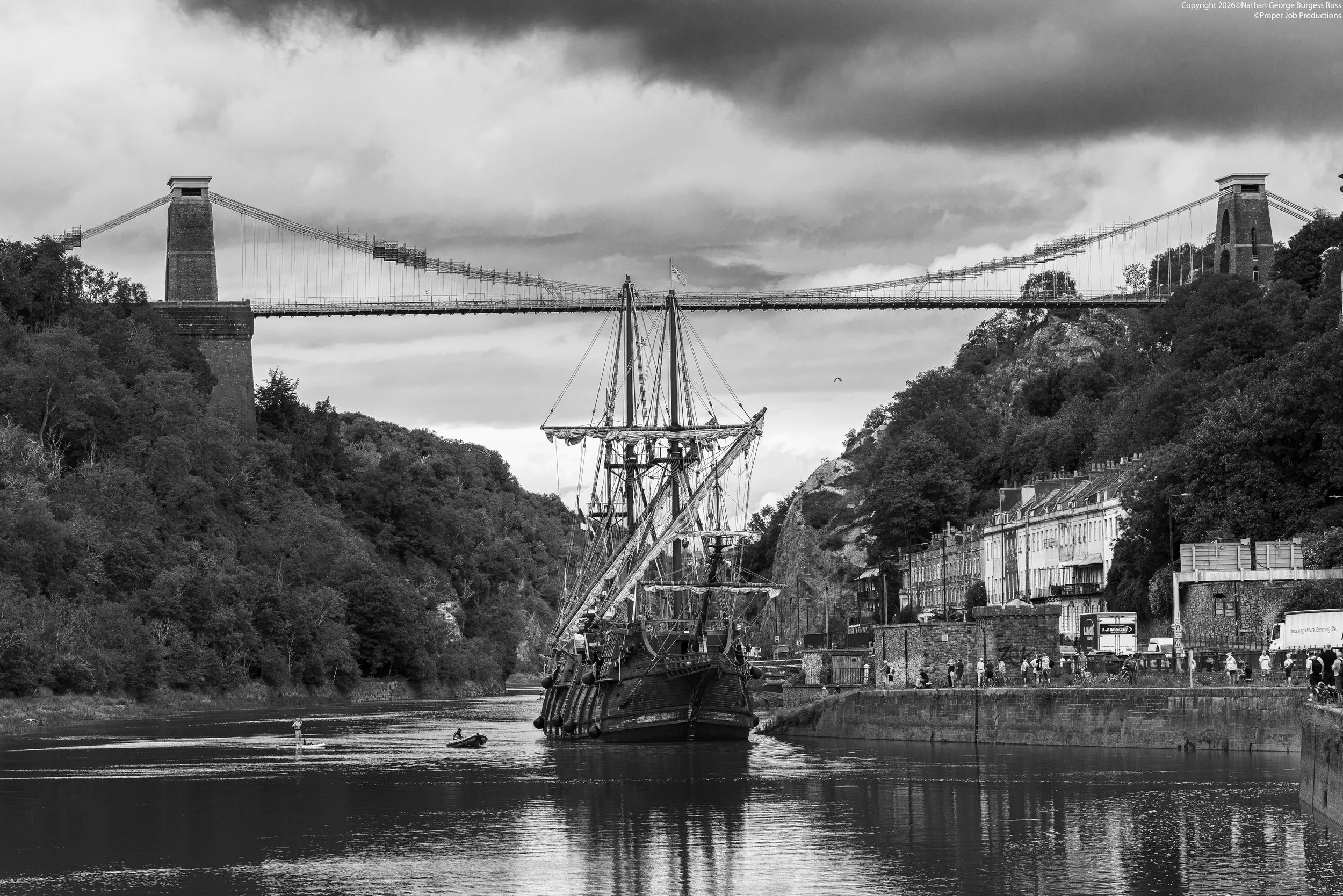
The El Galeon Andalucia shortly after passing under the Clifton Suspension Bridge on approach to Brunel Lock.
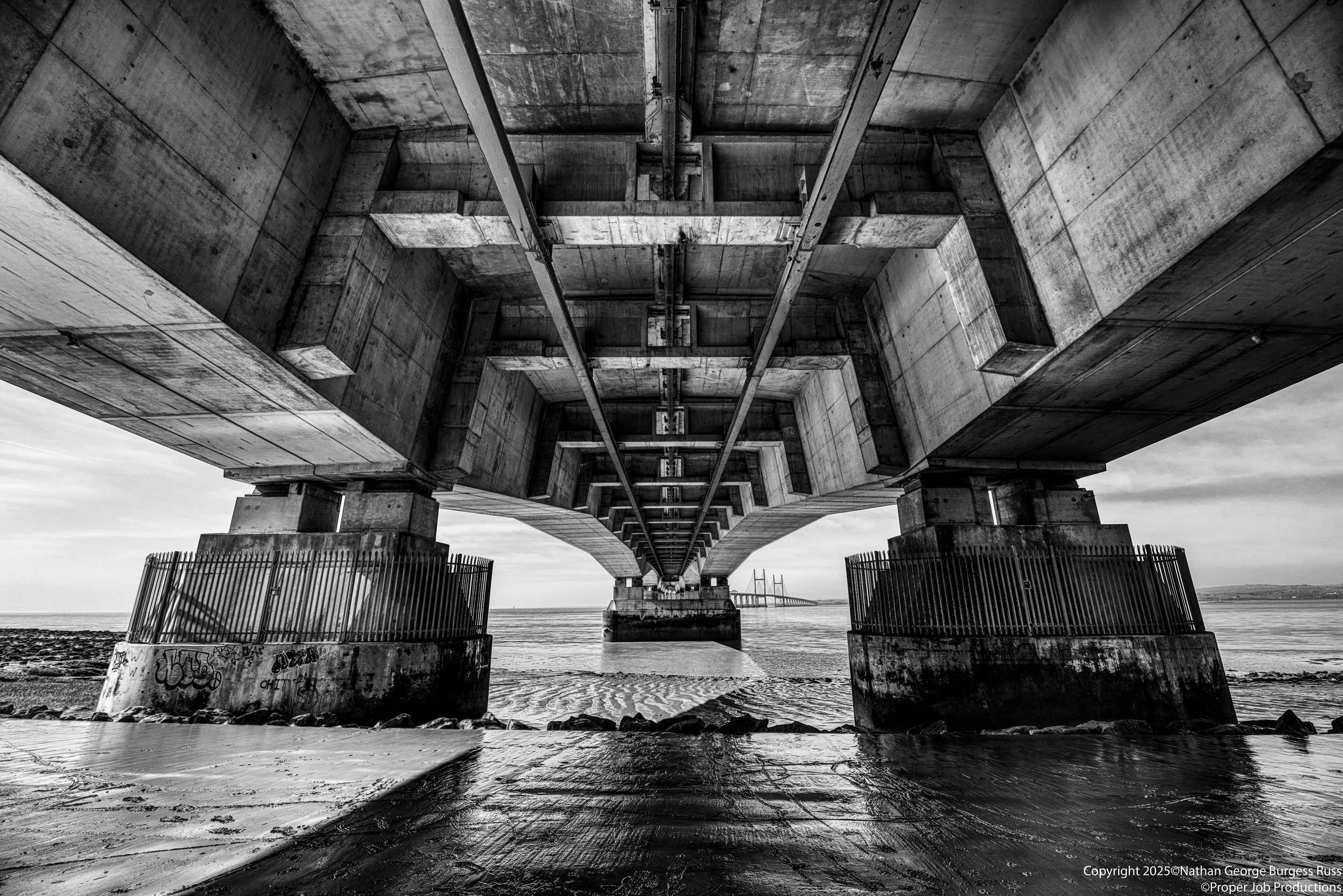
The underside of the Prince of Wales Bridge (Pont Tywysog Cymru), formerly known as the Second Severn Crossing (Ail Groesfan Hafren). The Bridge opened in 1996 to carry the M4 over the River Severn Estuary, to relieve the traffic on the first Severn Bridge on the M48.
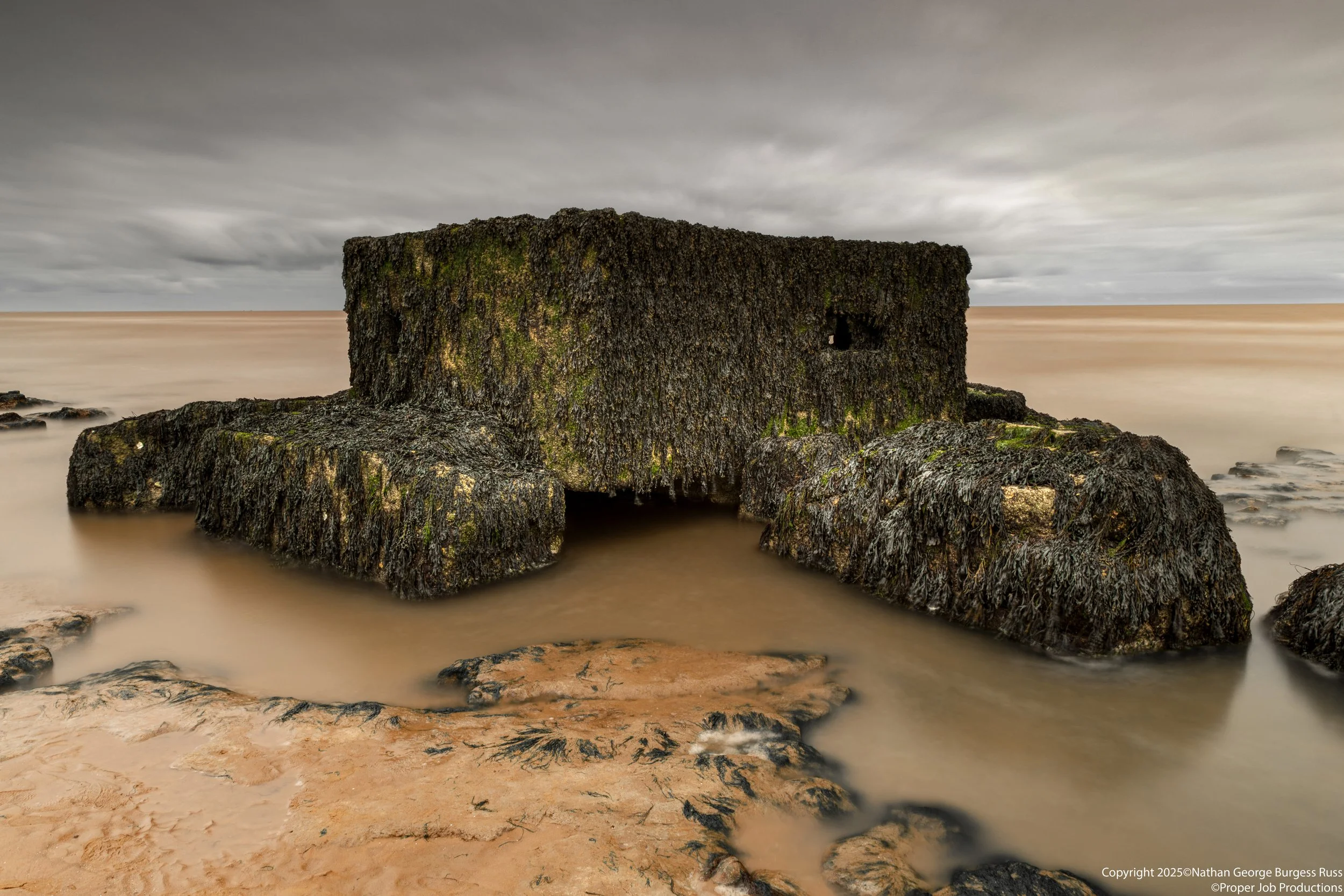
A rare Type 27 FW3 Pill Box on the Naze Beach with the North Sea coming in. This Type 27 FW3 Pill Box was originally built ontop of the cliffs near The Naze Tower in 1940, in the years since North Sea Coastal erosion has caused the pillboxes to fall onto The Naze Beach. The Type 27 FW3 Pill Box is of a octagon design with gun slots for 8 machine guns or rifles to be fired from, as well as a central well for a Light Anti-Air Machine Gun to be fired from, which was most commonly the Lewis Machine Gun.
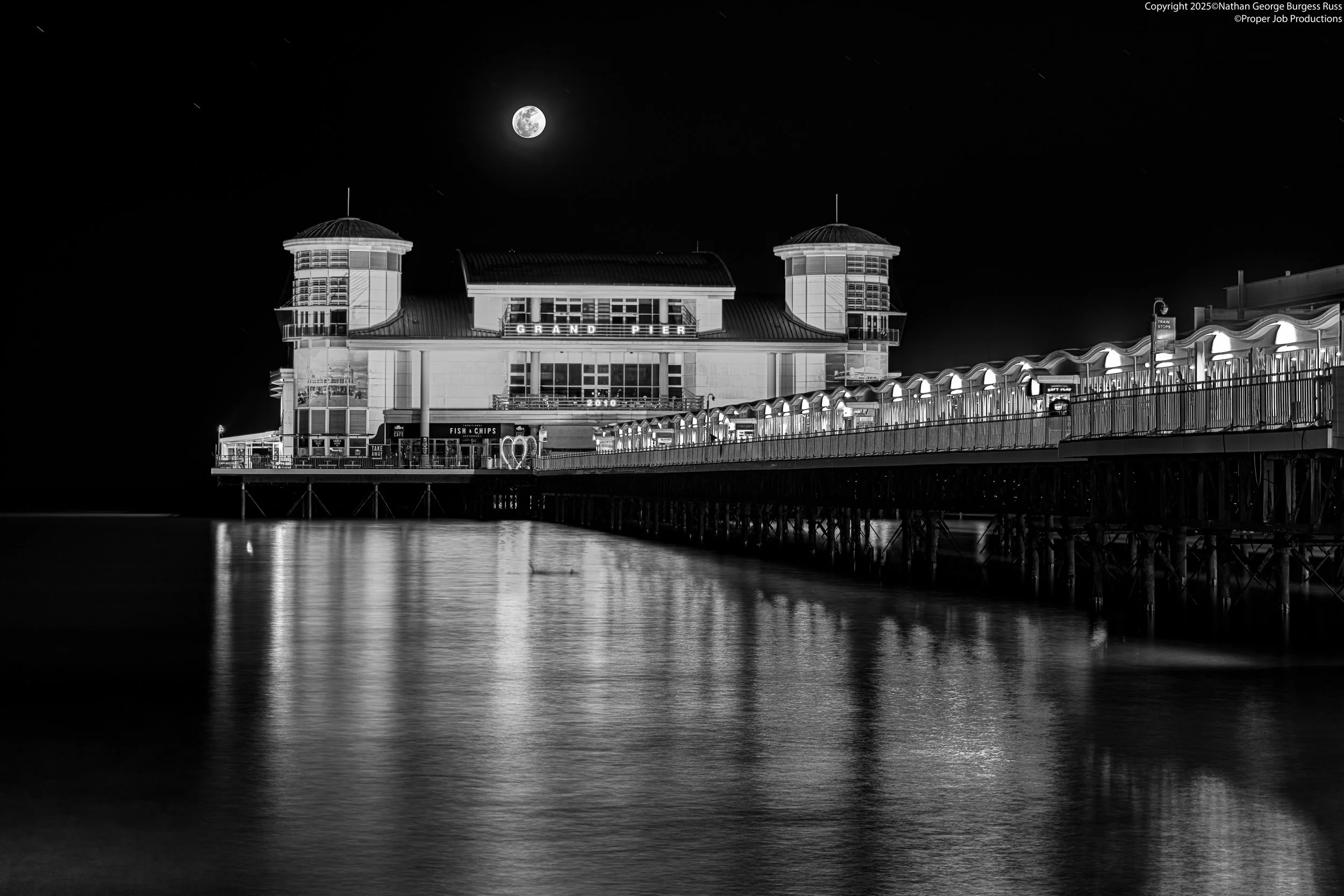
Weston-Super-Mare Grand Pier at night during a Spring High Tide with the full moon up.
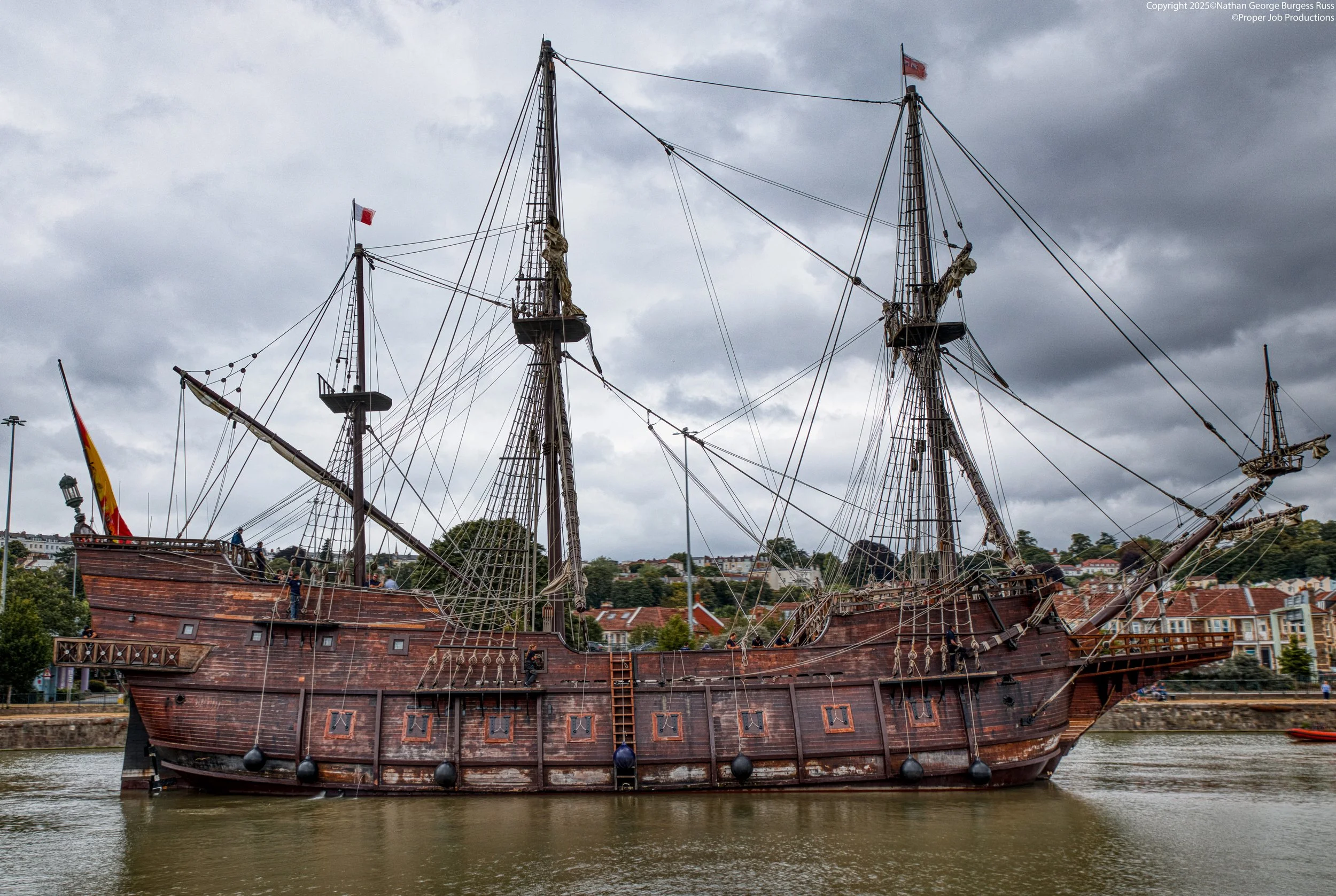
The El Galeon Andalucia shortly after passing under the Clifton Suspension Bridge on approach to Brunel Lock.
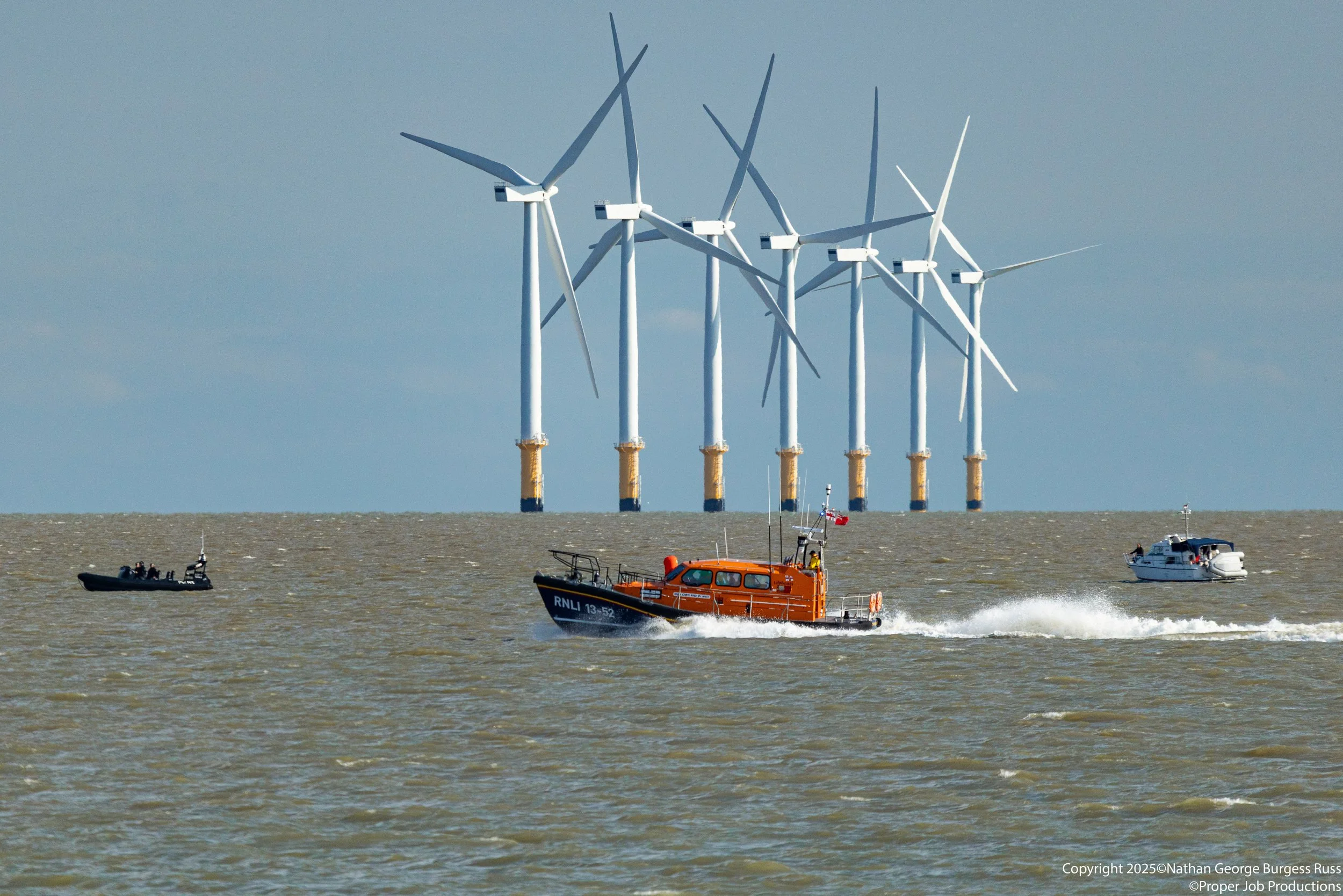
The RNLI's Chris and Jo West 13-52 passing the Gunfleet Sand Offshore Wind Farm off the coast of Clacton-On-Sea. The Royal National Lifeboat Institution introduced the Shannon Class in 2014, with the Chris and Jo West being delivered to Clacton-On-Sea in November 2024. The Gunfleet Sands windfarm started operation in August 2009.
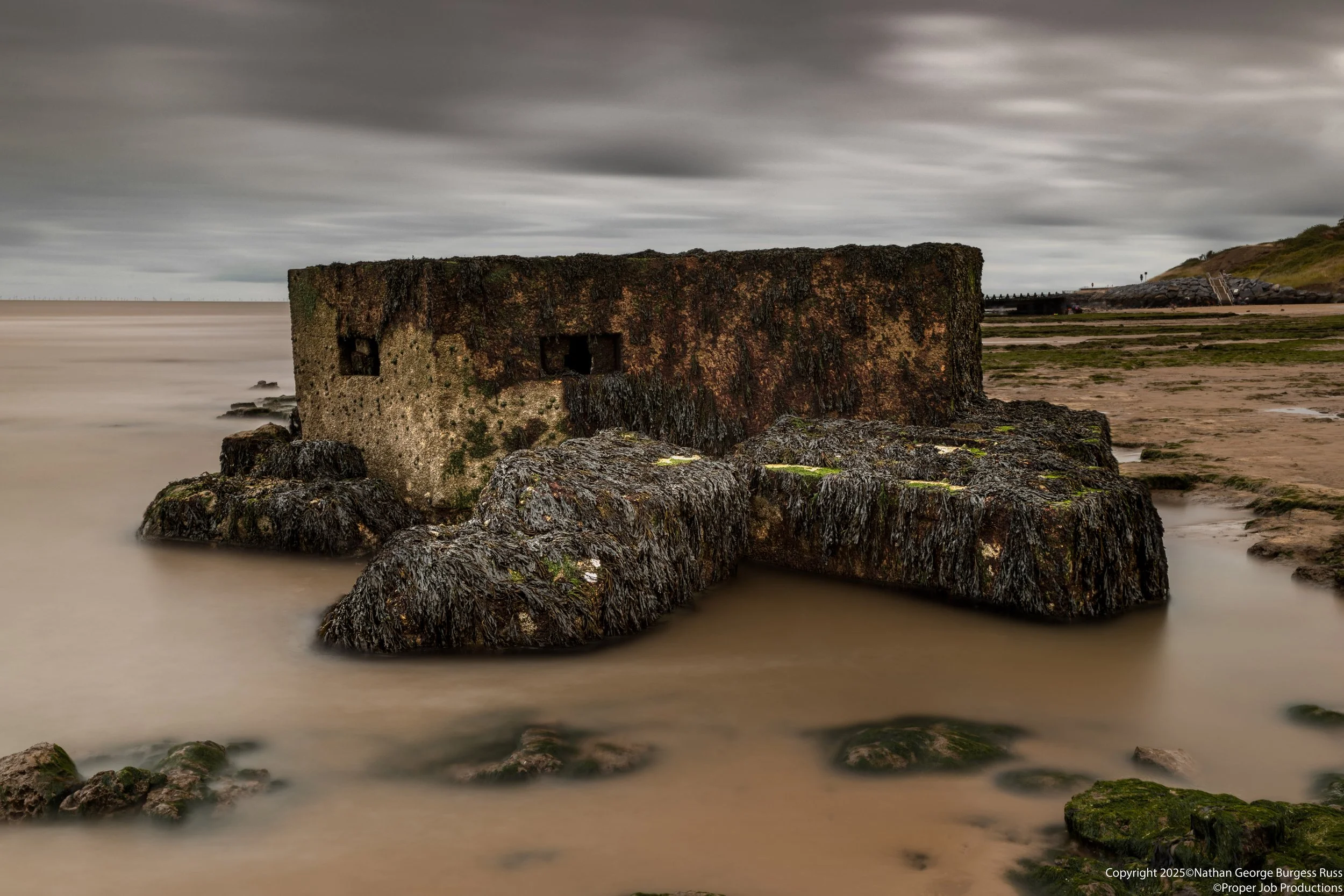
A rare Type 27 FW3 Pill Box on the Naze Beach with the North Sea coming in. This Type 27 FW3 Pill Box was originally built ontop of the cliffs near The Naze Tower in 1940, in the years since North Sea Coastal erosion has caused the pillboxes to fall onto The Naze Beach. The Type 27 FW3 Pill Box is of a octagon design with gun slots for 8 machine guns or rifles to be fired from, as well as a central well for a Light Anti-Air Machine Gun to be fired from, which was most commonly the Lewis Machine Gun.
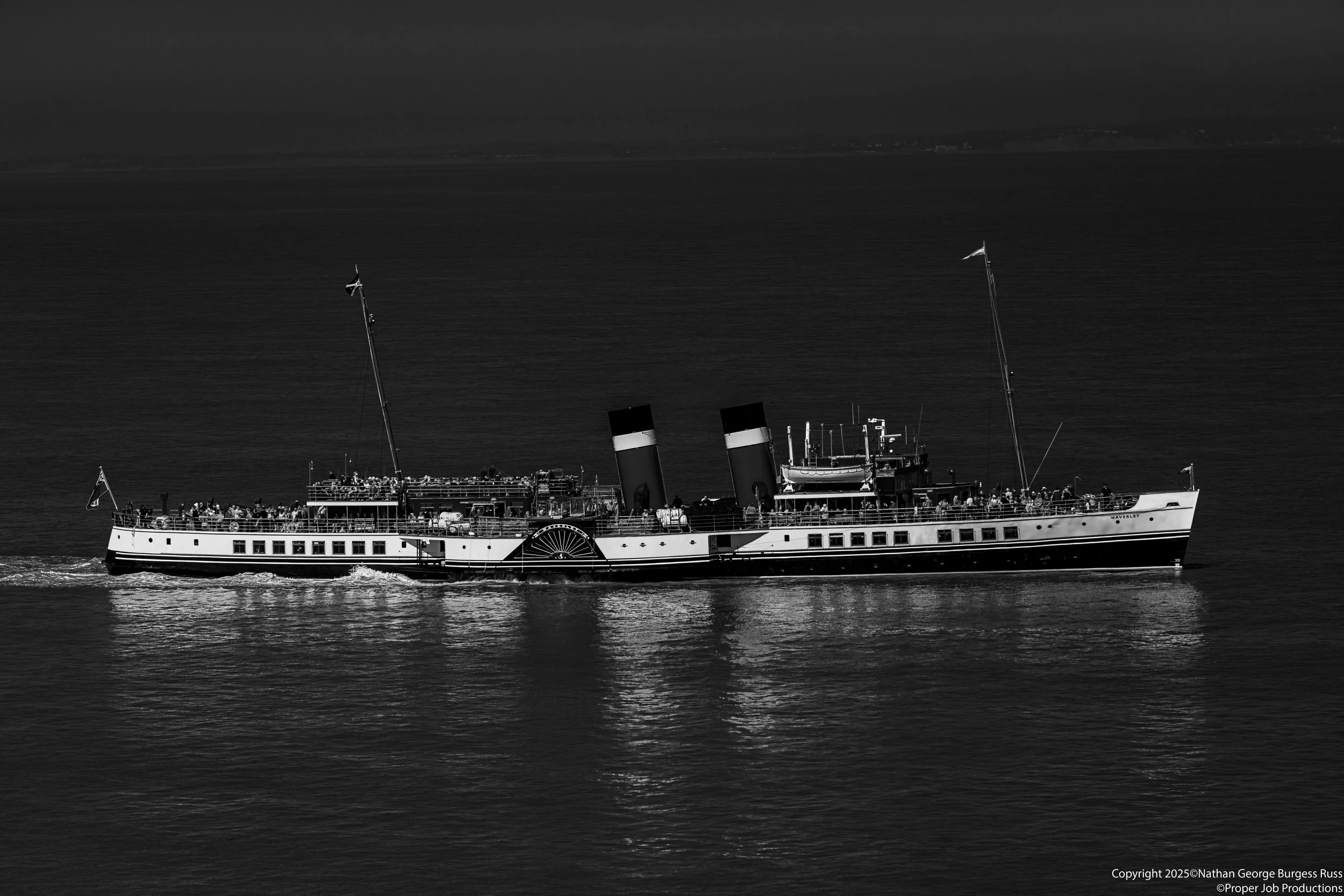
Paddle Steamer Waverley in the Bristol Channel
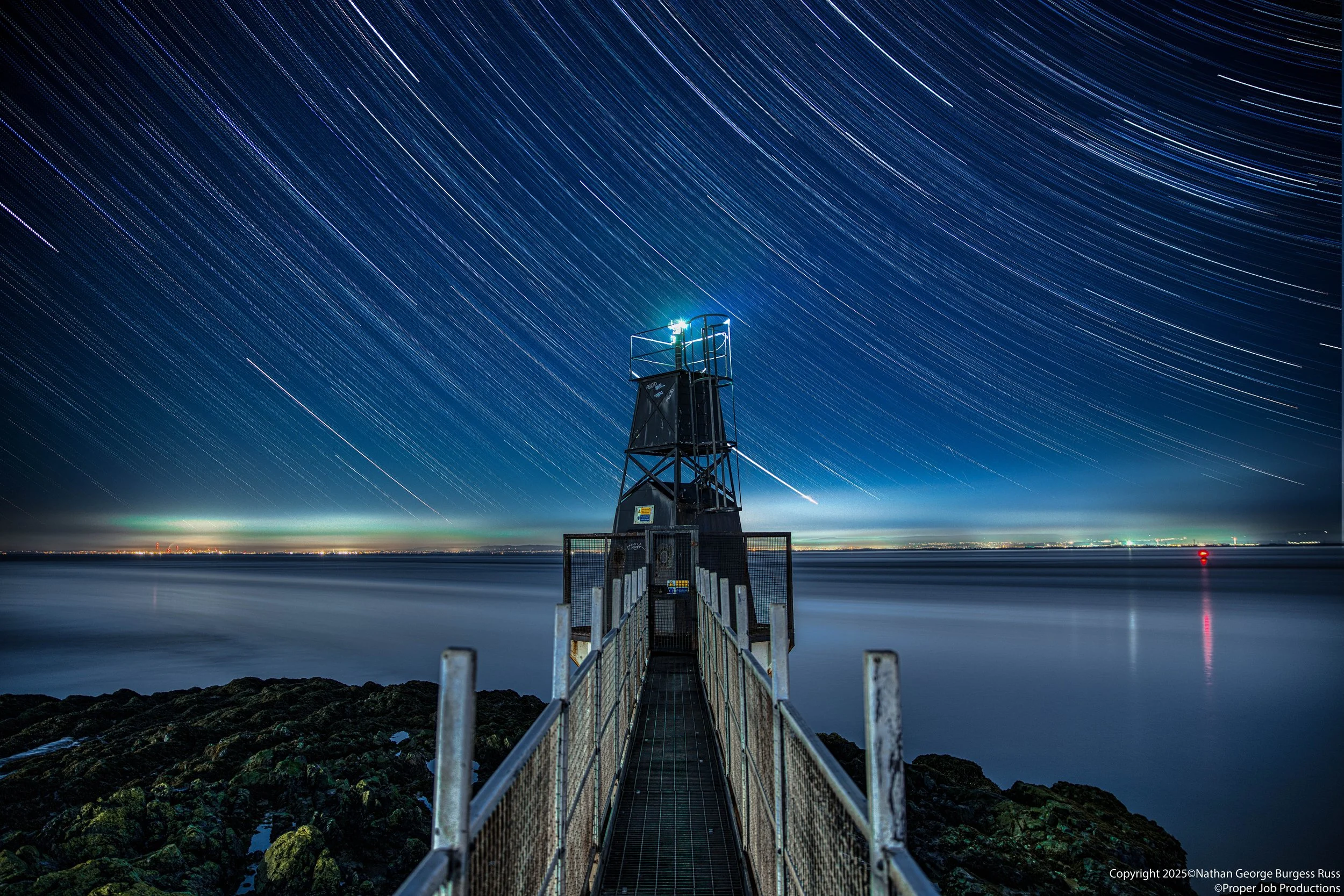
Star Trails above Battery Point Lighthouse. Battery Point Lighthouse was built by the Chance Brothers of Smethwick for the Bristol Port Company in 1931. The Lighthouse is 30ft tall and constructed of a concrete base with a black metal pyramid, topped with a 4th order Fresnel lens which goes the lighthouse a range of 16 nautical miles/18 miles.
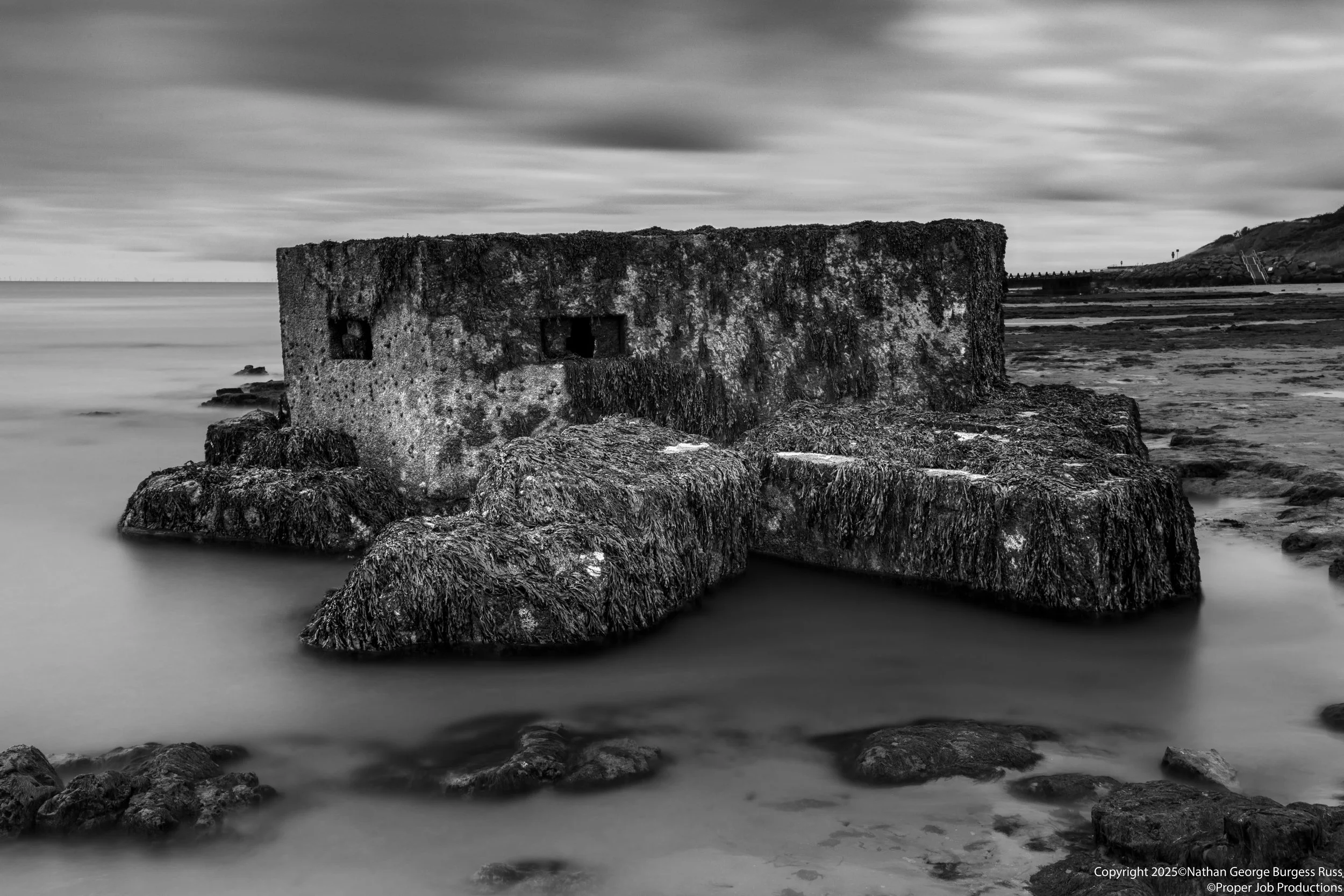
A rare Type 27 FW3 Pill Box on the Naze Beach with the North Sea coming in. This Type 27 FW3 Pill Box was originally built ontop of the cliffs near The Naze Tower in 1940, in the years since North Sea Coastal erosion has caused the pillboxes to fall onto The Naze Beach. The Type 27 FW3 Pill Box is of a octagon design with gun slots for 8 machine guns or rifles to be fired from, as well as a central well for a Light Anti-Air Machine Gun to be fired from, which was most commonly the Lewis Machine Gun.
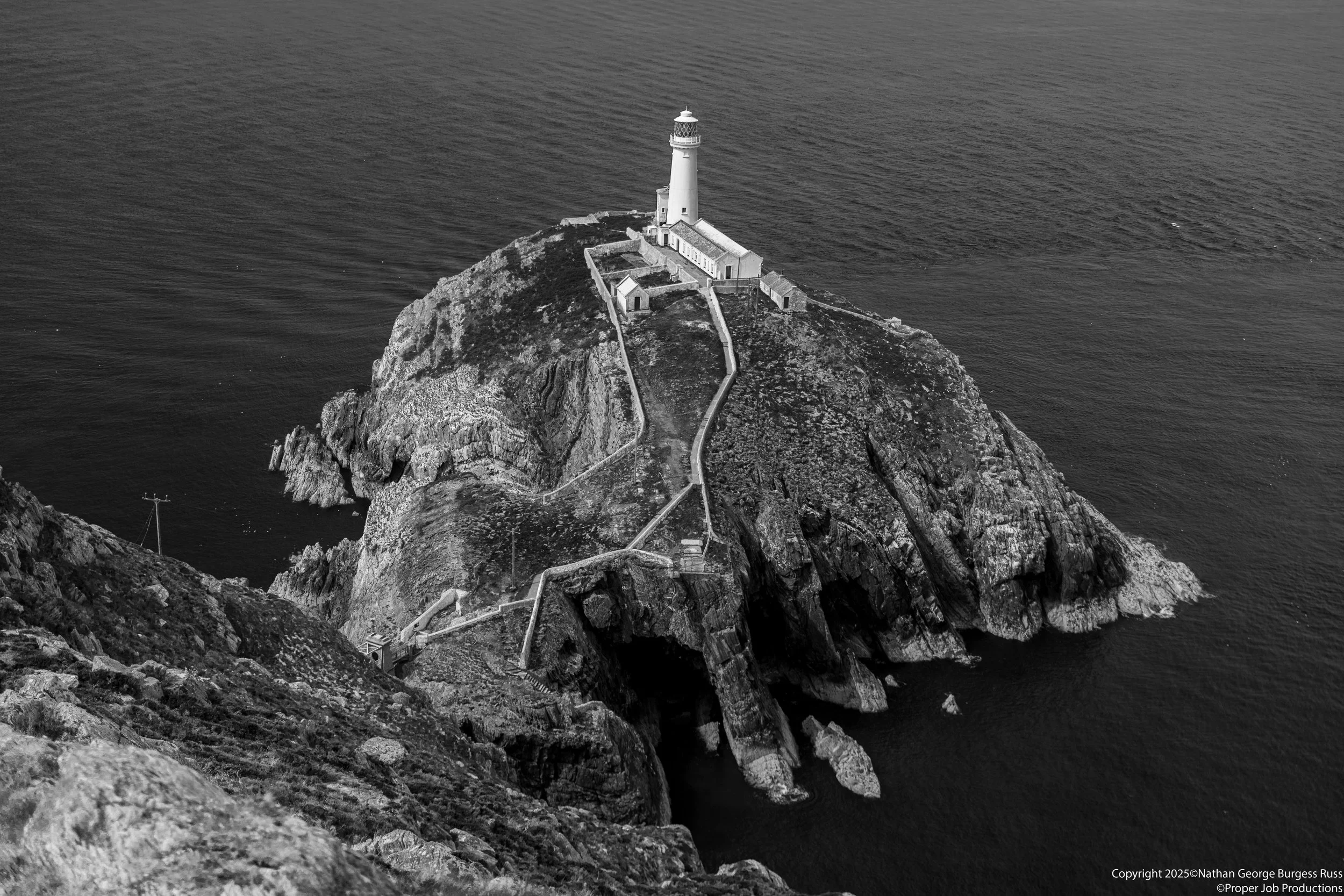
South Stack and Lighthouse from the Royal Observor Corp lookout.
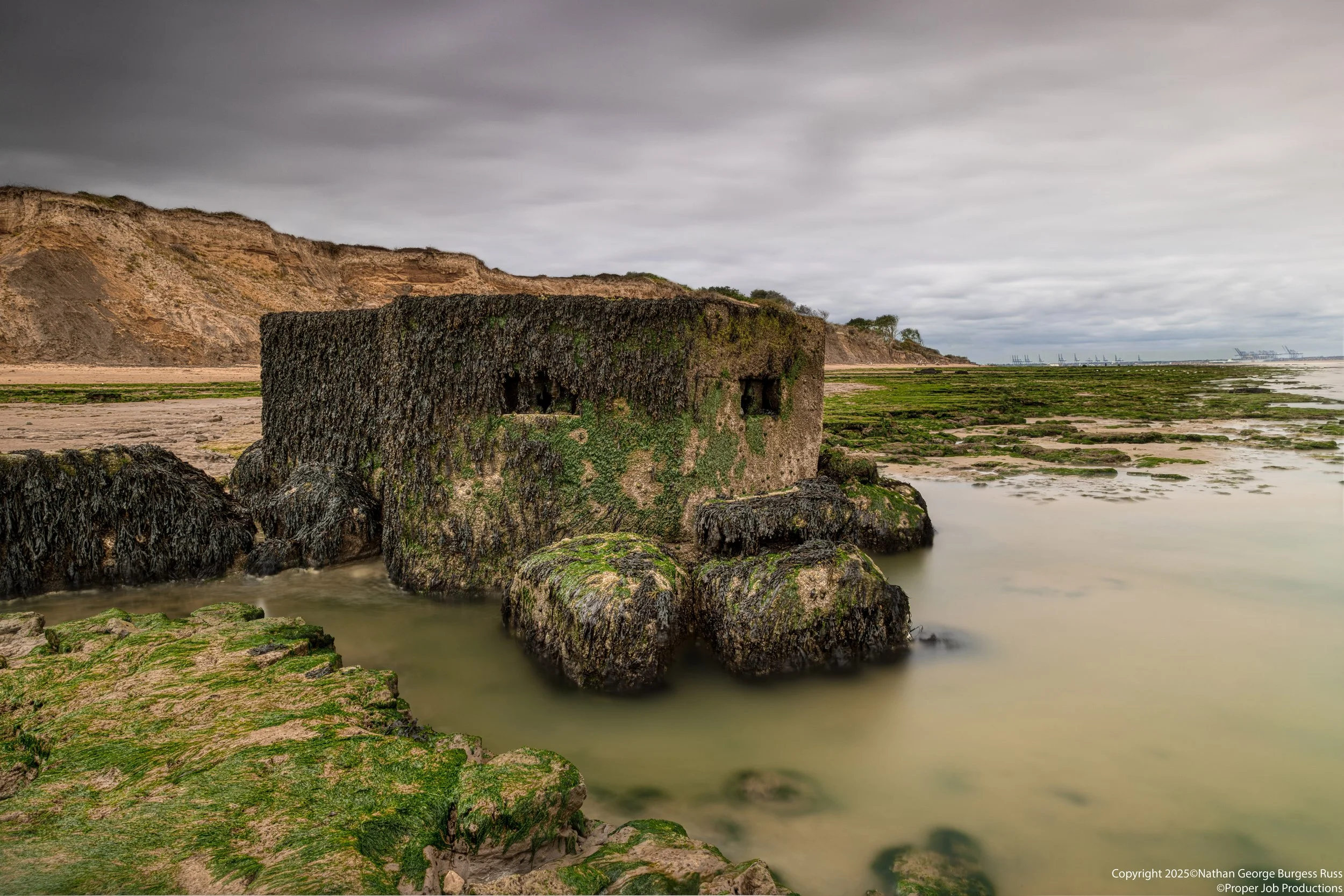
A rare Type 27 FW3 Pill Box on the Naze Beach with the North Sea coming in. This Type 27 FW3 Pill Box was originally built ontop of the cliffs near The Naze Tower in 1940, in the years since North Sea Coastal erosion has caused the pillboxes to fall onto The Naze Beach. The Type 27 FW3 Pill Box is of a octagon design with gun slots for 8 machine guns or rifles to be fired from, as well as a central well for a Light Anti-Air Machine Gun to be fired from, which was most commonly the Lewis Machine Gun.
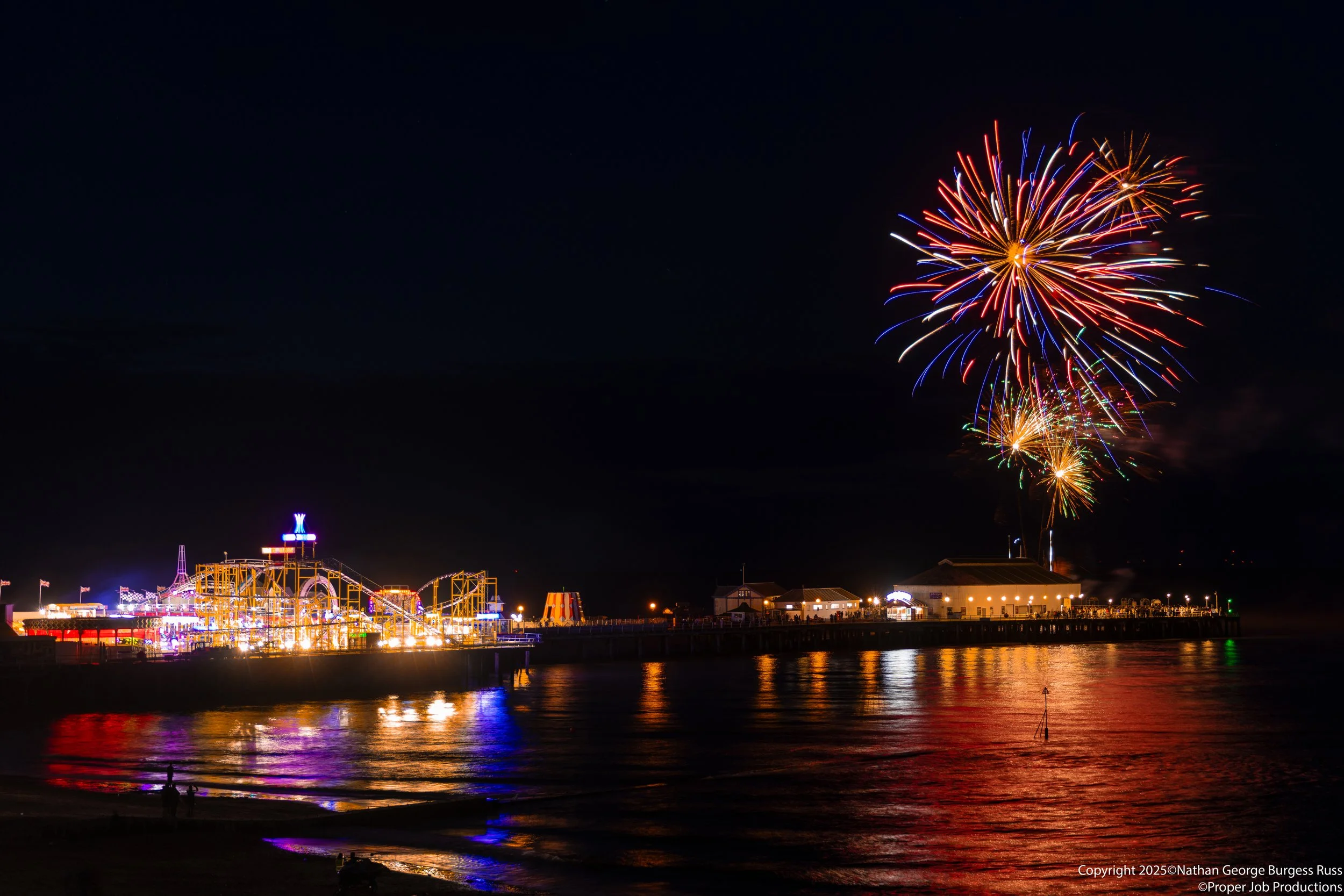
Clacton-On-Sea Pier fireworks.
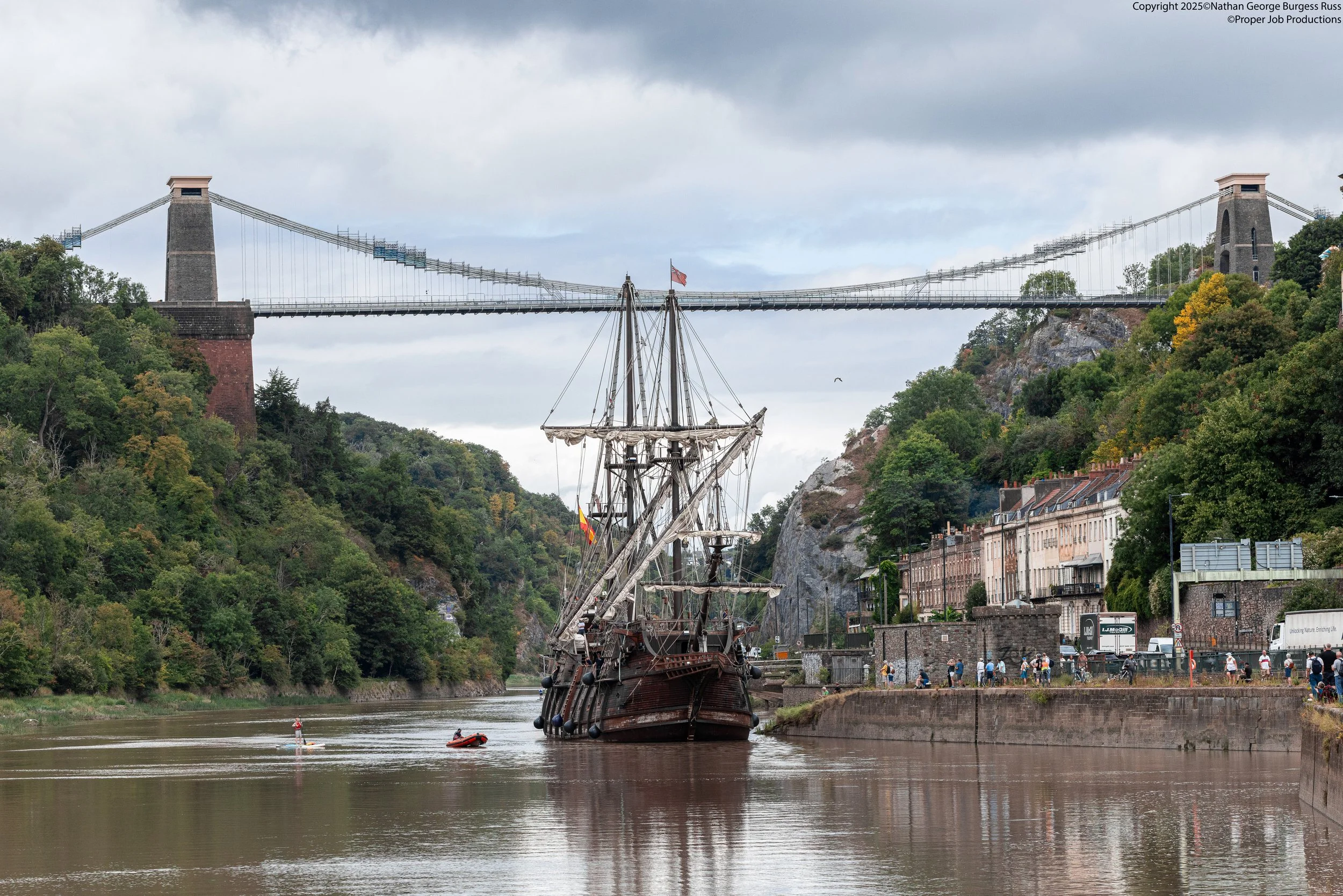
The El Galeon Andalucia shortly after passing under the Clifton Suspension Bridge on approach to Brunel Lock.
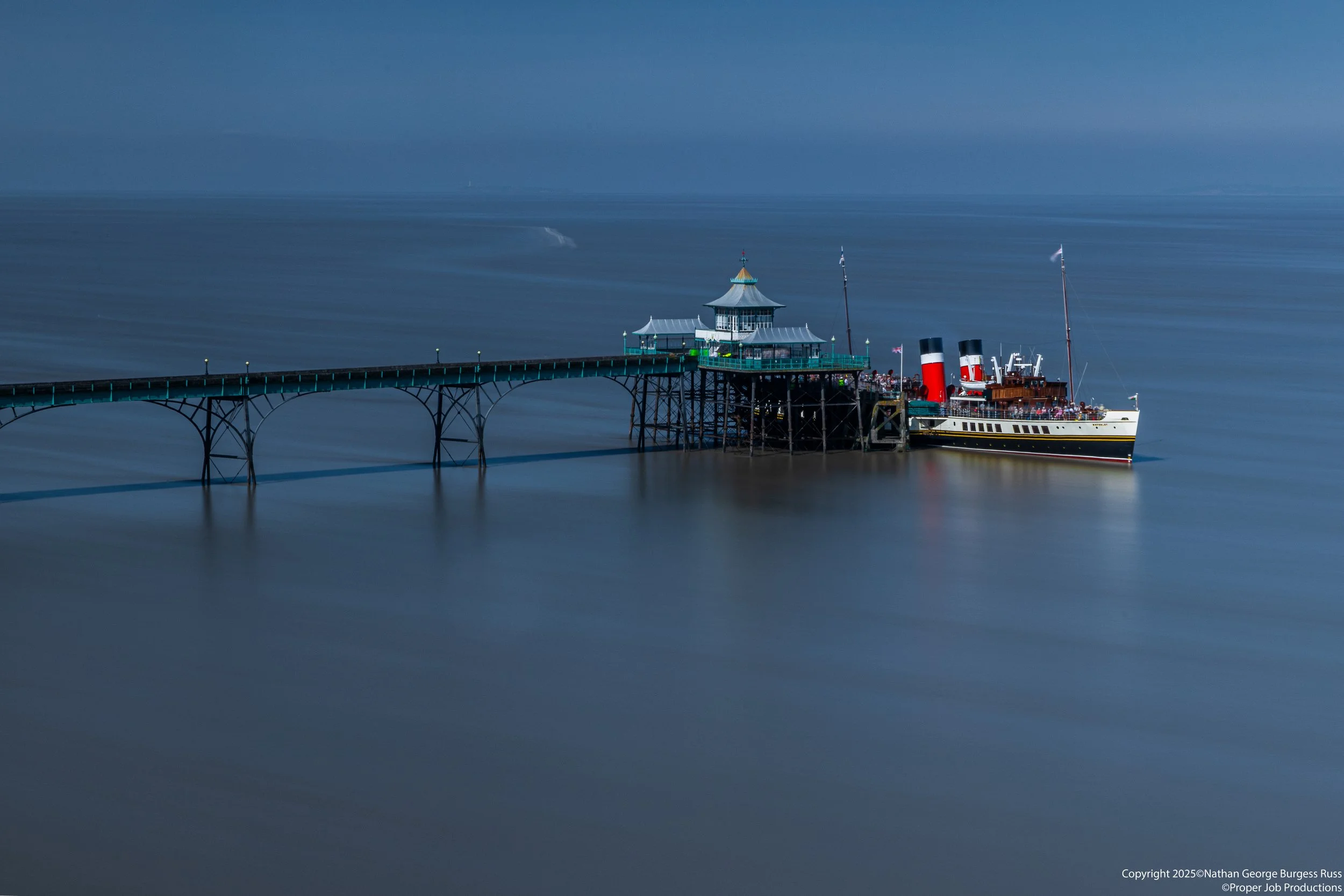
Paddle Steamer Waverley docking at Clevedon Pier, Somerset.
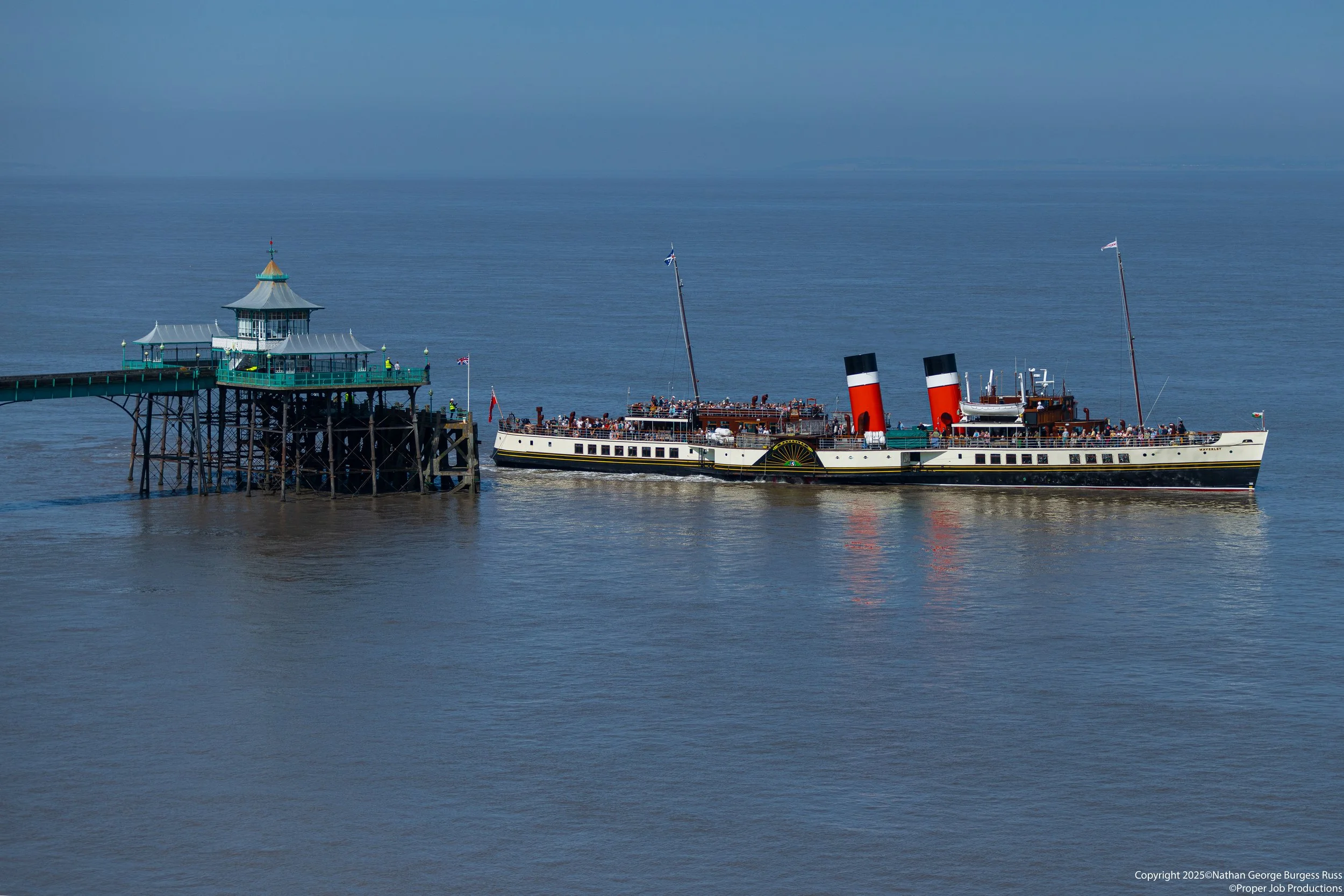
Paddle Steamer Waverley docking at Clevedon Pier, Somerset.
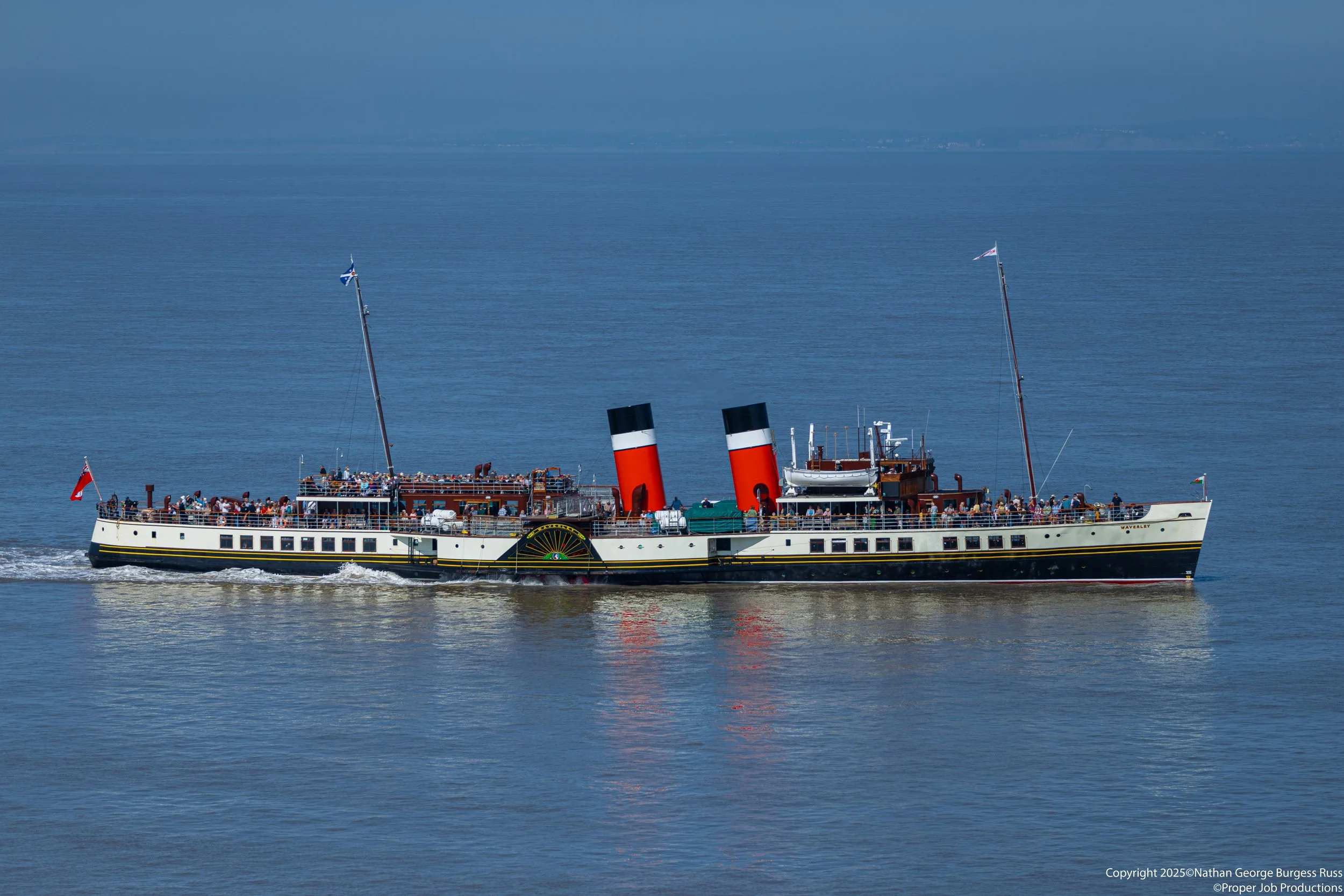
Paddle Steamer Waverley in the Bristol Channel
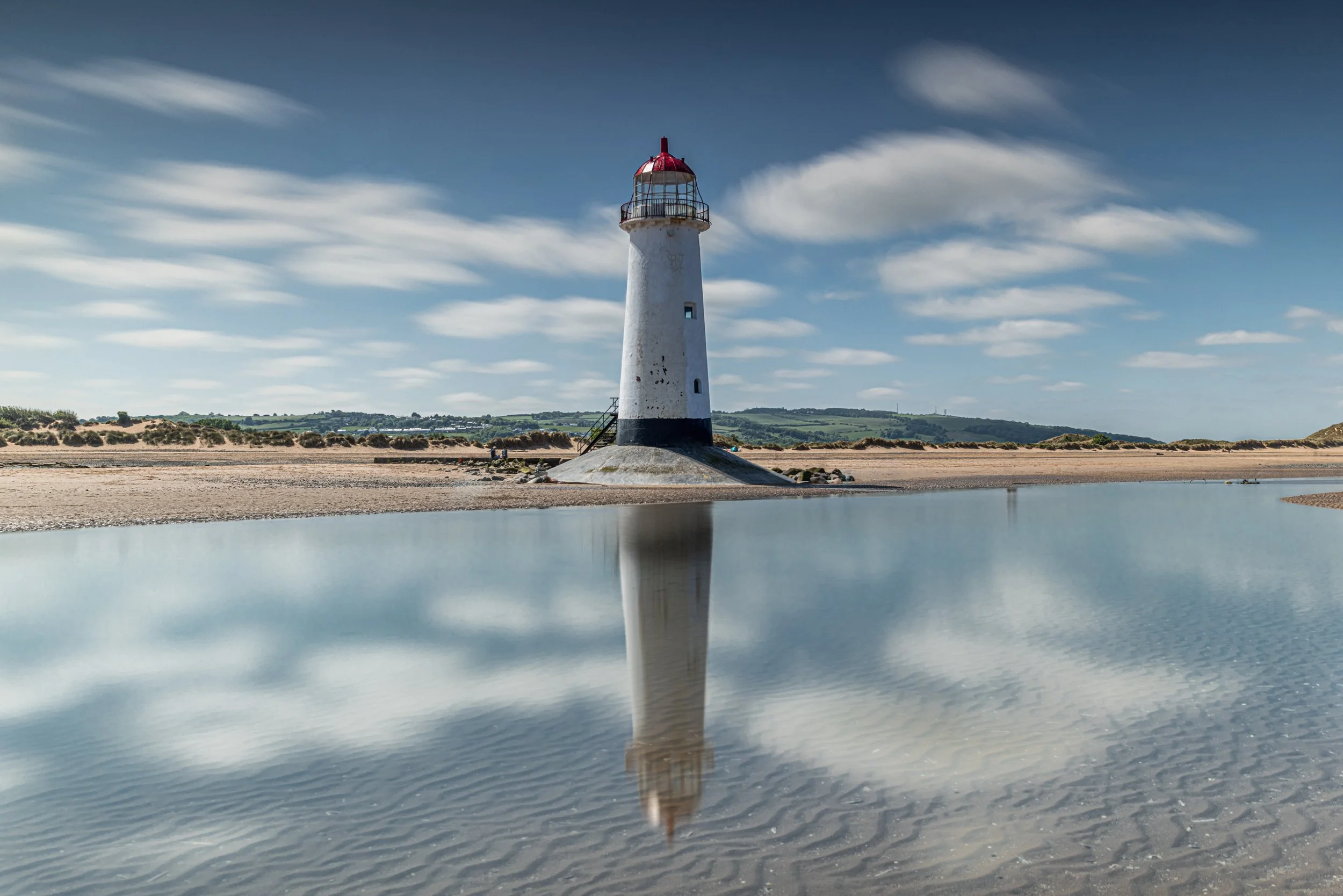
Point of Ayr lighthouse (Y Parlur Du) aka Telacre Lighthouse The lighthouse was built in 1776 after the passing of the Chester Lighthouse Act of 1776 and was in use till it was replace in 1844 by a pile light.
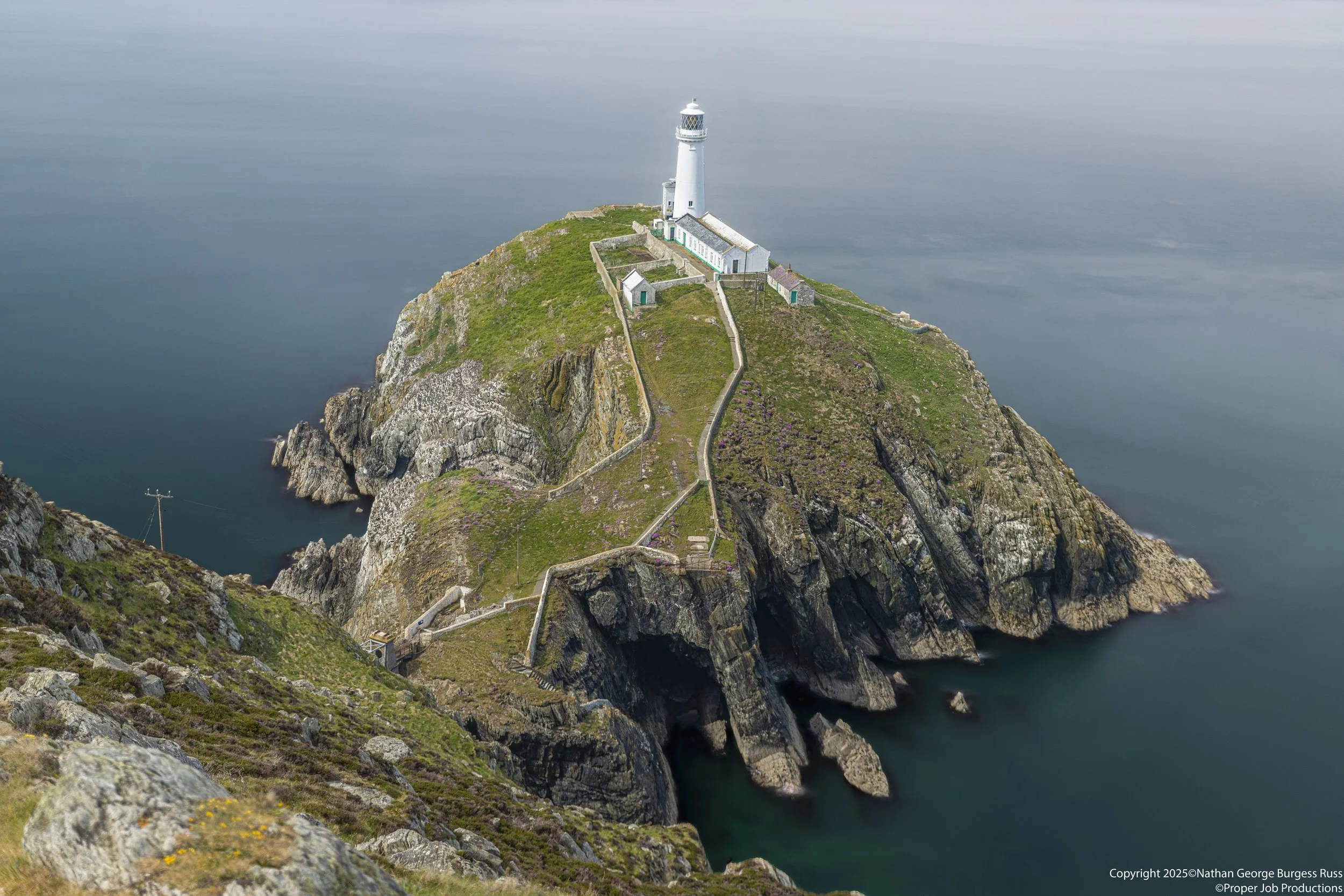
South Stack and Lighthouse from the Royal Observor Corp lookout.
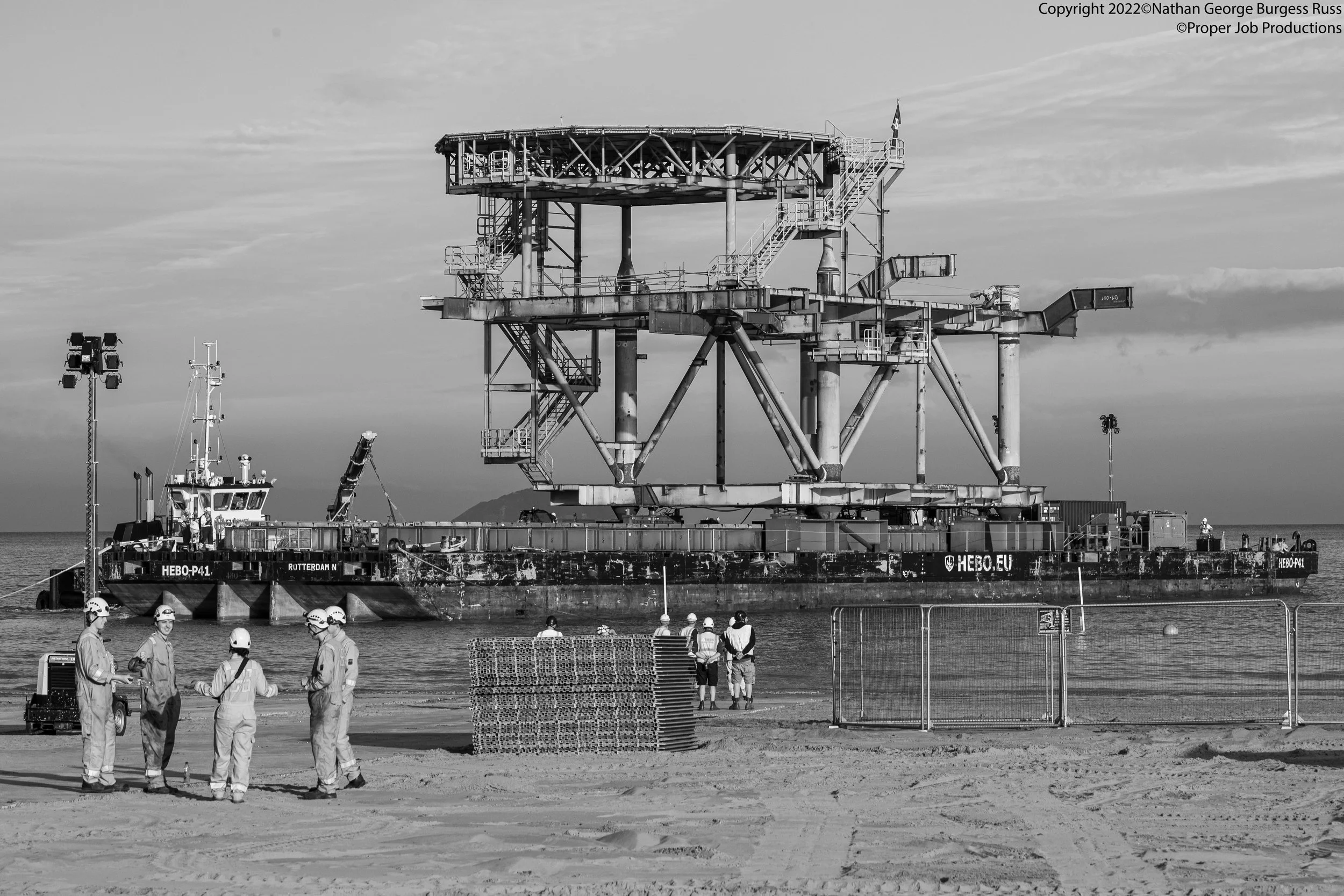
See Monster long exposure with its 10 meter waterfall running in the Tropicana at Weston-Super-Mare.
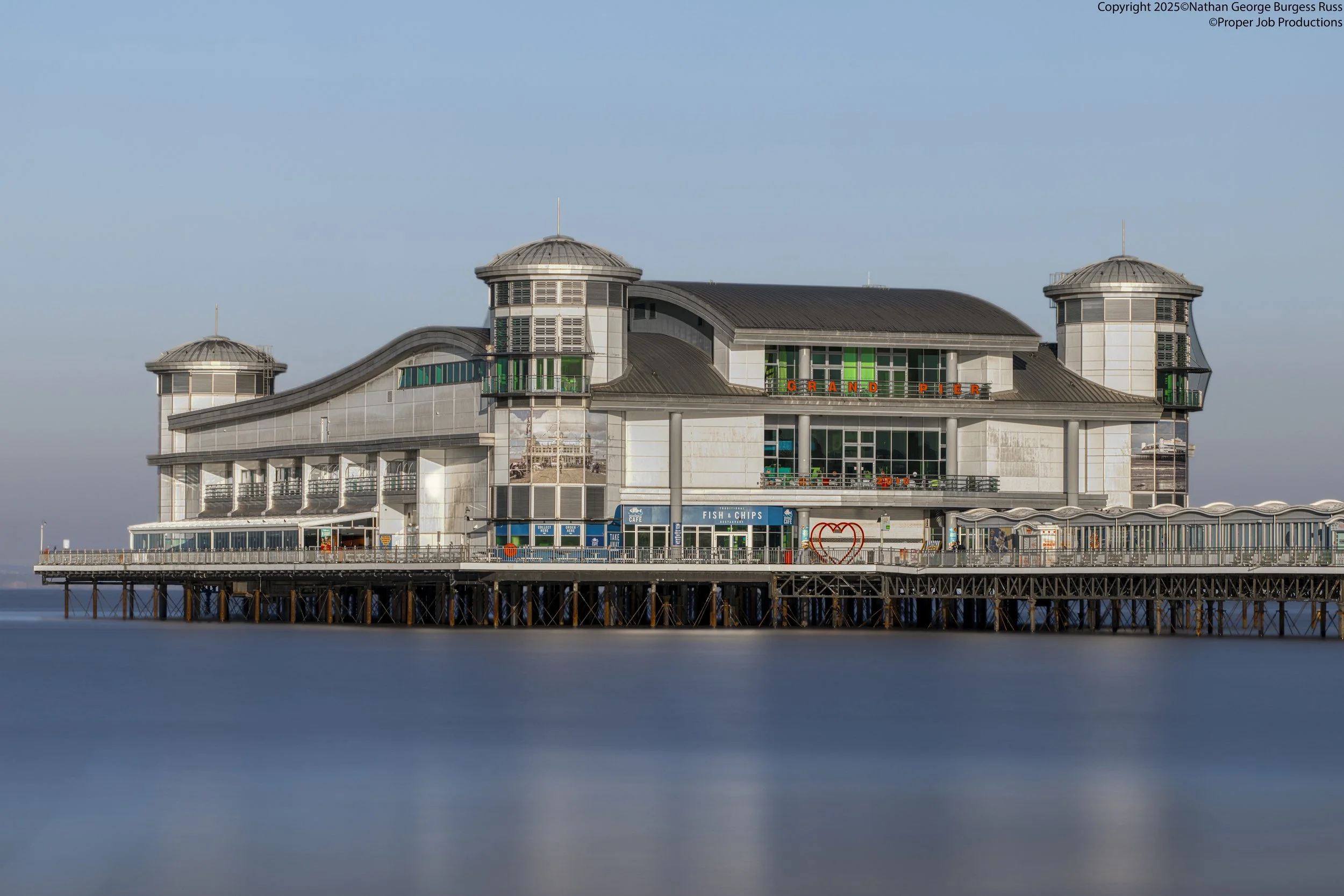
Weston-Super-Mare Grand Pier during a King High Tide in spring, also known as a Perigean spring tide. The Grand Pier is a classic example of late victorian pleasure piers, the Pavillion is the third one built after the first pavillion was destroyed by fire on the 13th of January 1930 and the second pavillion was also destroyed by fire on the 28th of July in 2008.
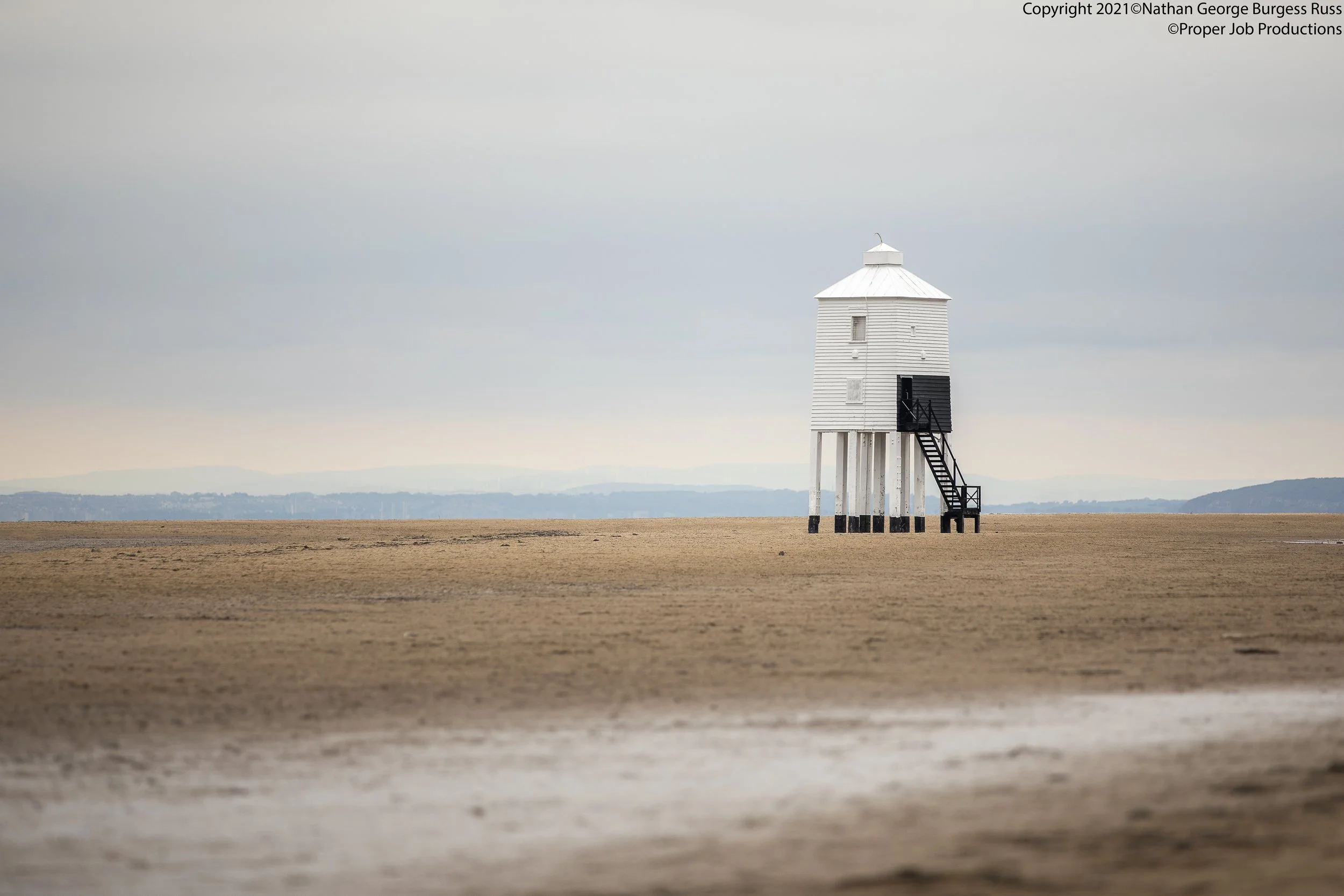
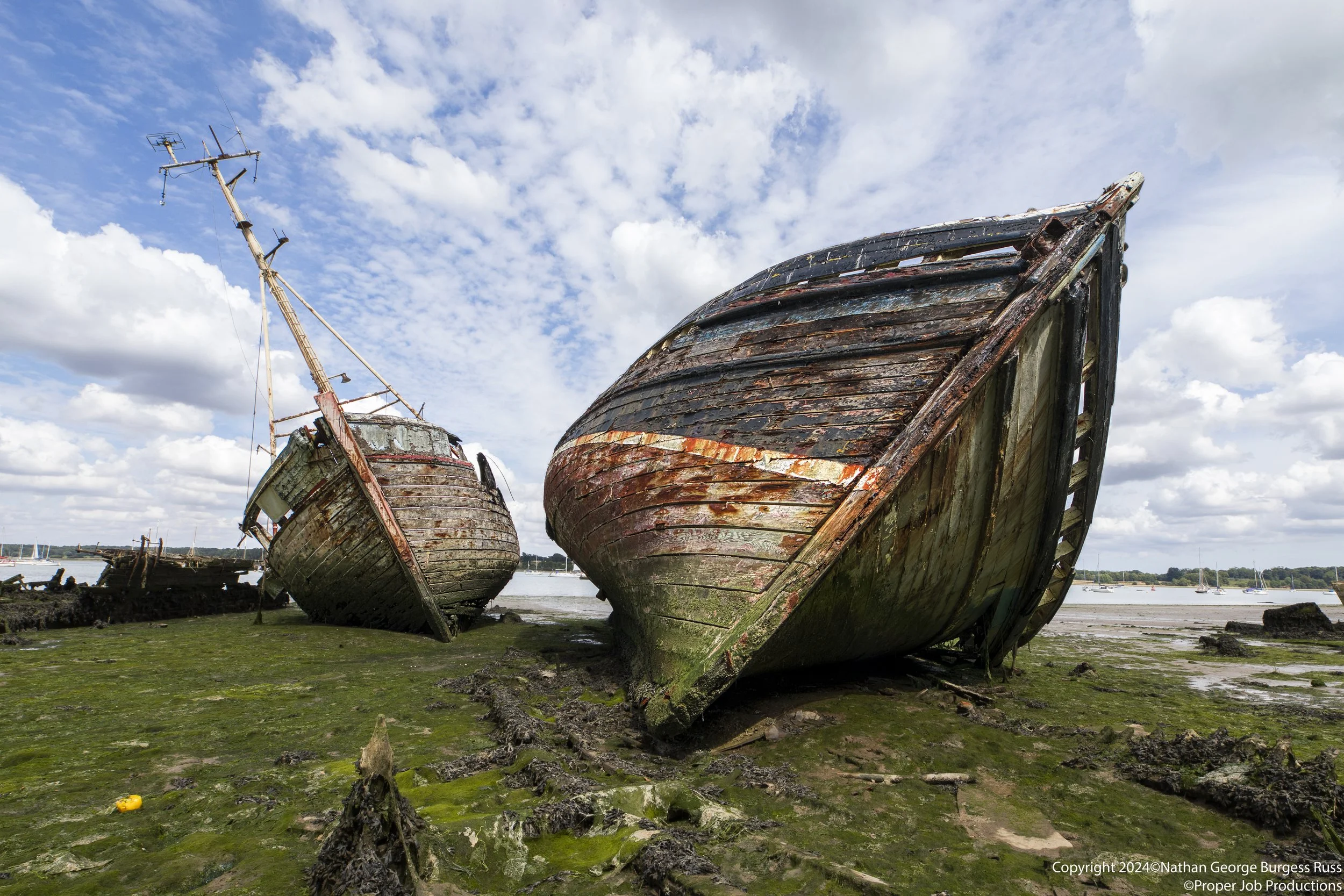
The two largest boats in the Pin Mill boat graveyard.
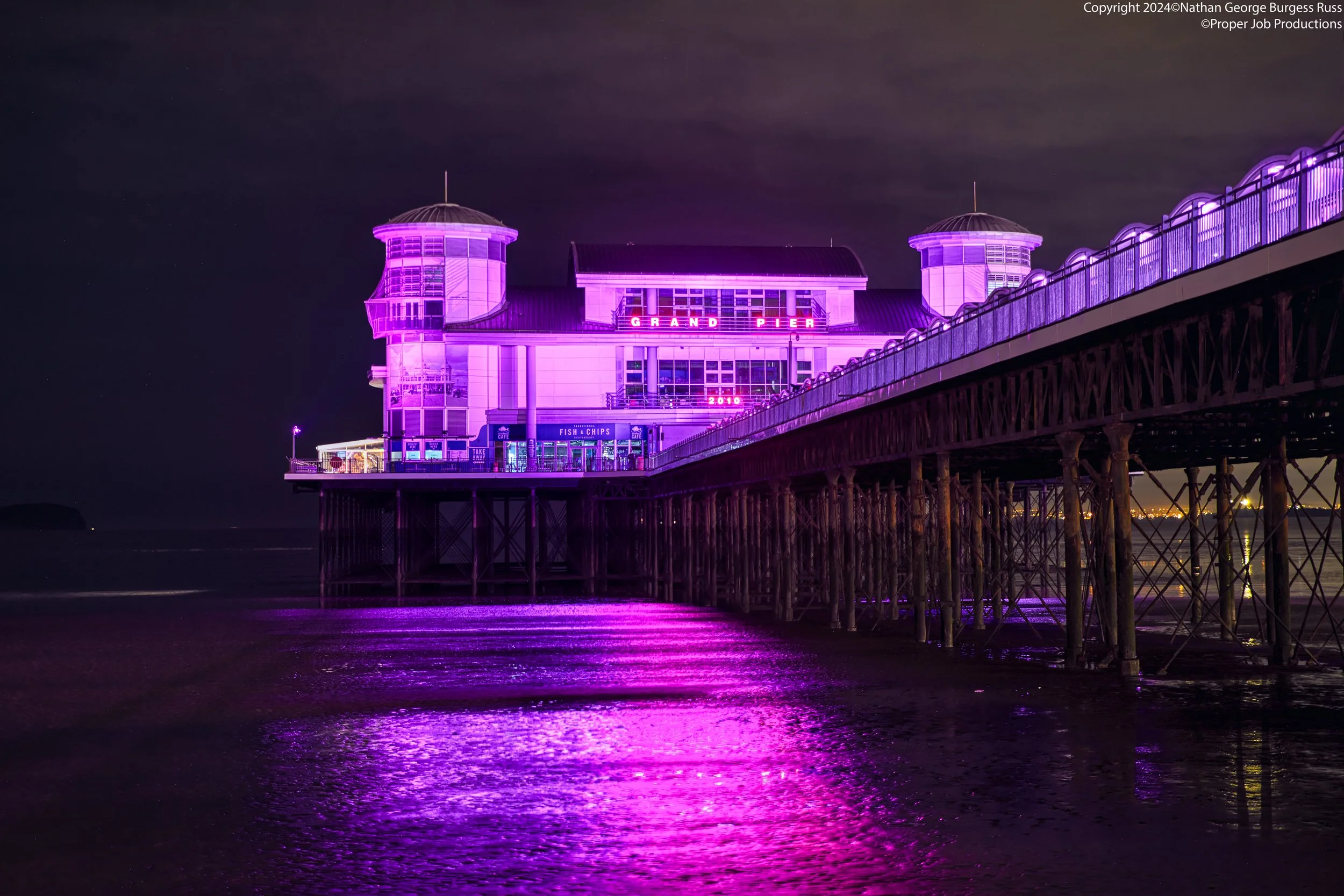
Weston-Super-Mare Grand Pier - Night The Grand Pier is a classical example of late victorian/early edwardian pleasure pier, and the end of the pier is the third pavilion built at the far end of the pier, with the first being destroyed by fire on January the 13th in 1930 and the second pavilion being destroyed by fire on July the 28th in 2008. The total length of the Pier is 1,201 feet supported by 600 Iron piles driven deep into the sand.
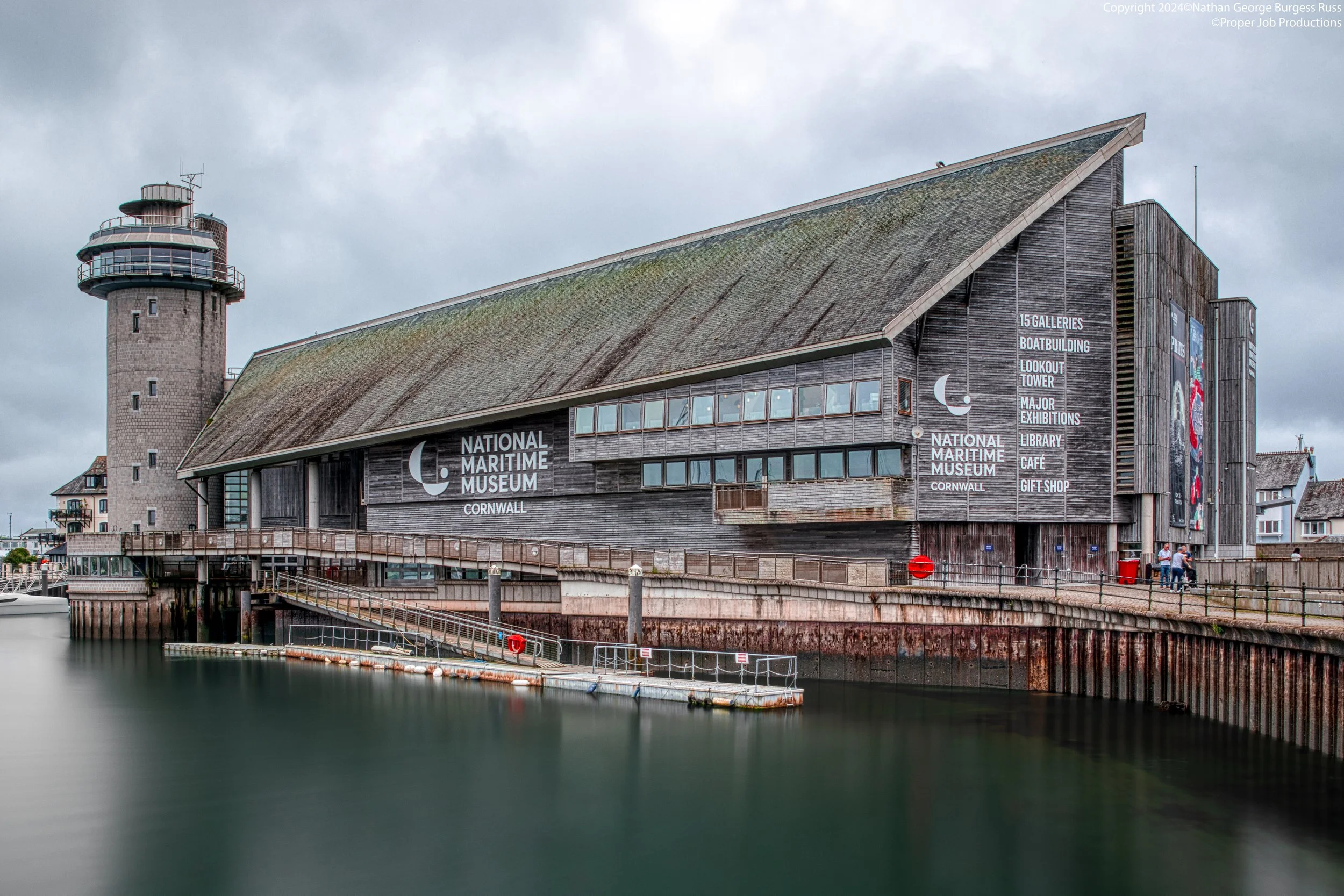
National Maritime Museum
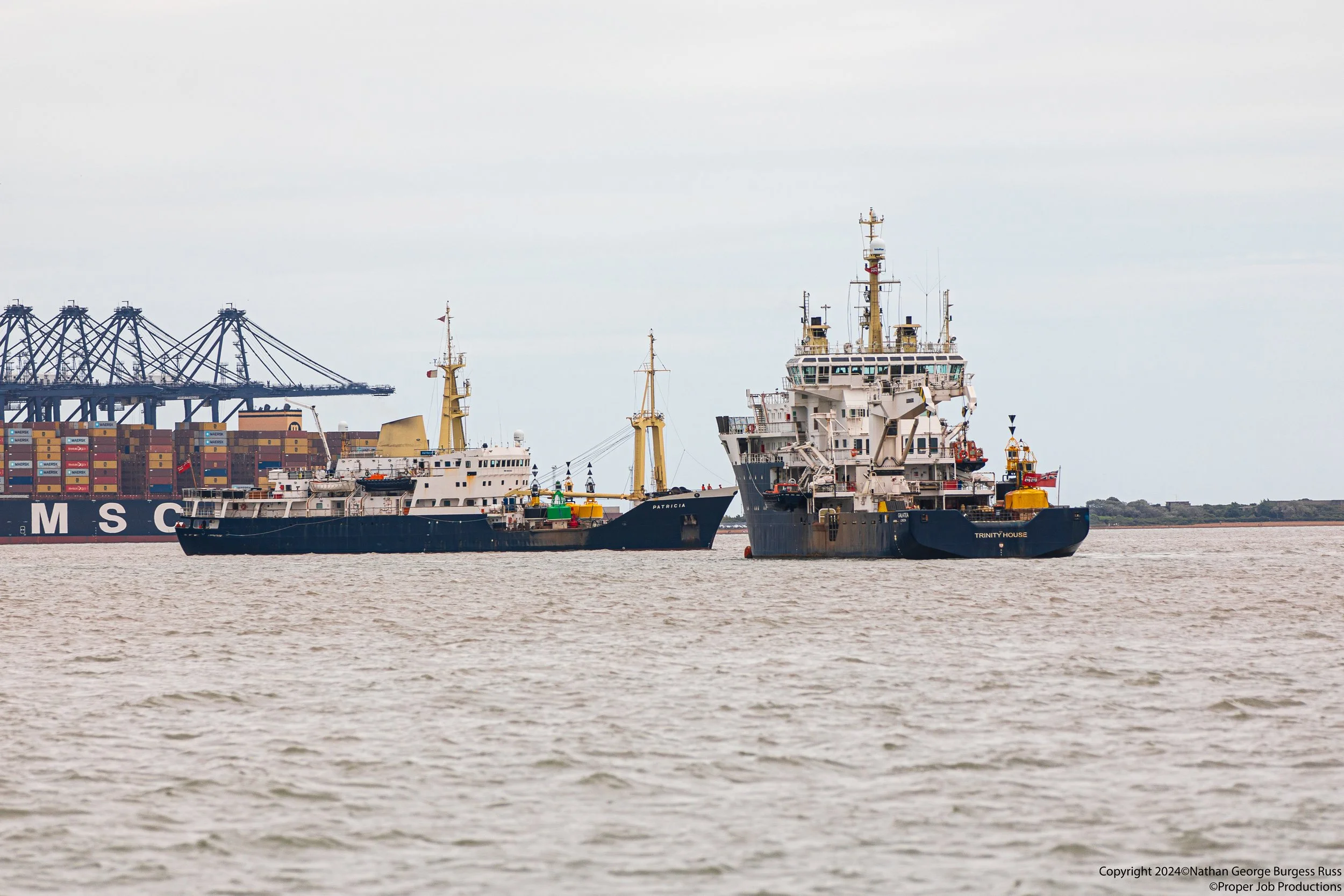
THV Patricia passing the THV Galatea with Felixstowe port Landguard Terminal in the background. THV Patricia is a Multi-functional Tender (MFT) built for Trinity House in 1982 and used for laying buoys, towing, some surveying and sciencific missions. THV Galatea is also a MFT and was was built in 2006 for Trinity House for laying buoys, hydrographic surveys and marine research.
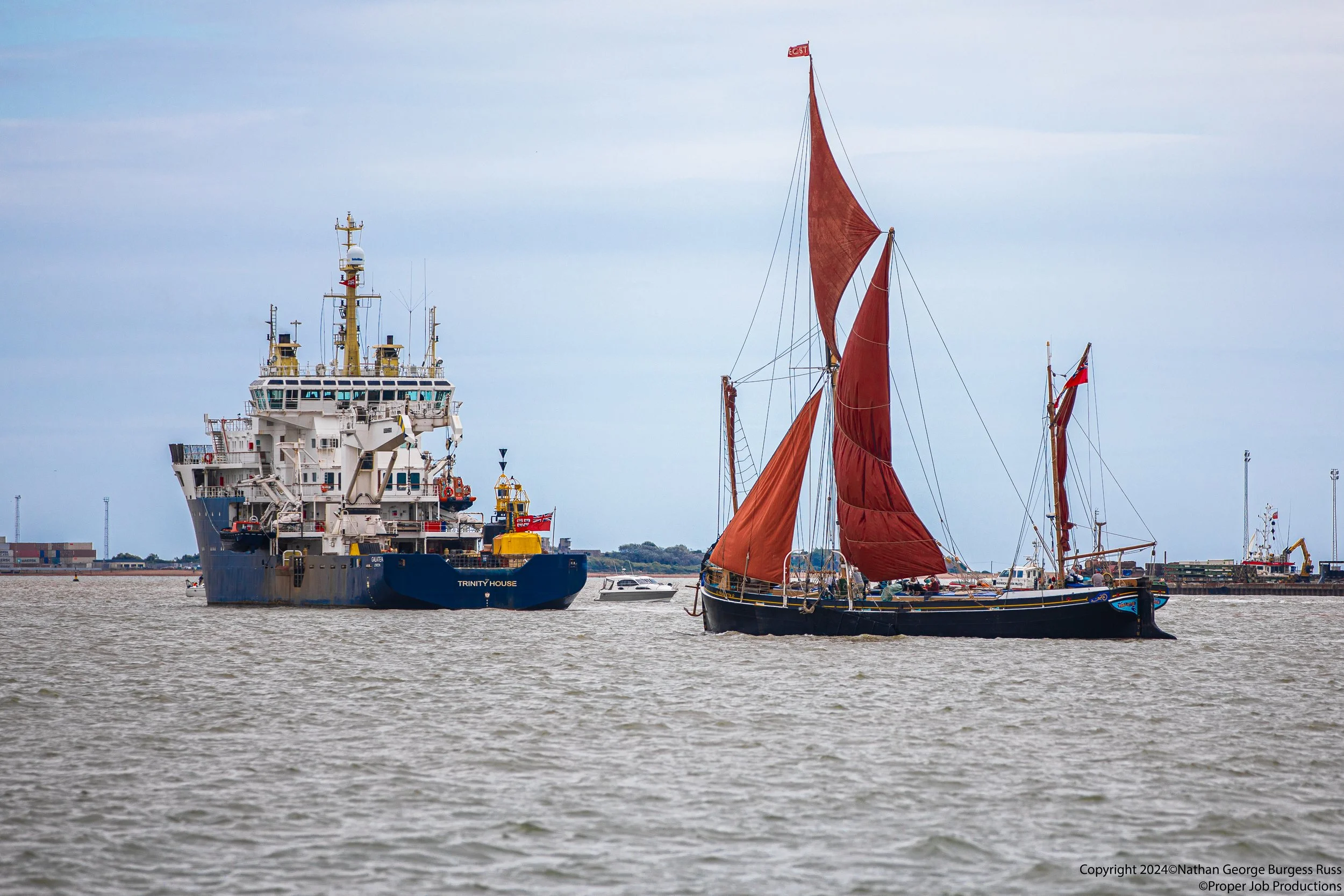
THV Galatea is a Multi-functional Tender (MFT) and was built in 2006 for Trinity House for laying buoys, hydrographic surveys and marine research. Thalatta is a thames barge built by McLearon's shipyard of Harwich for Fred Horlock in 1906
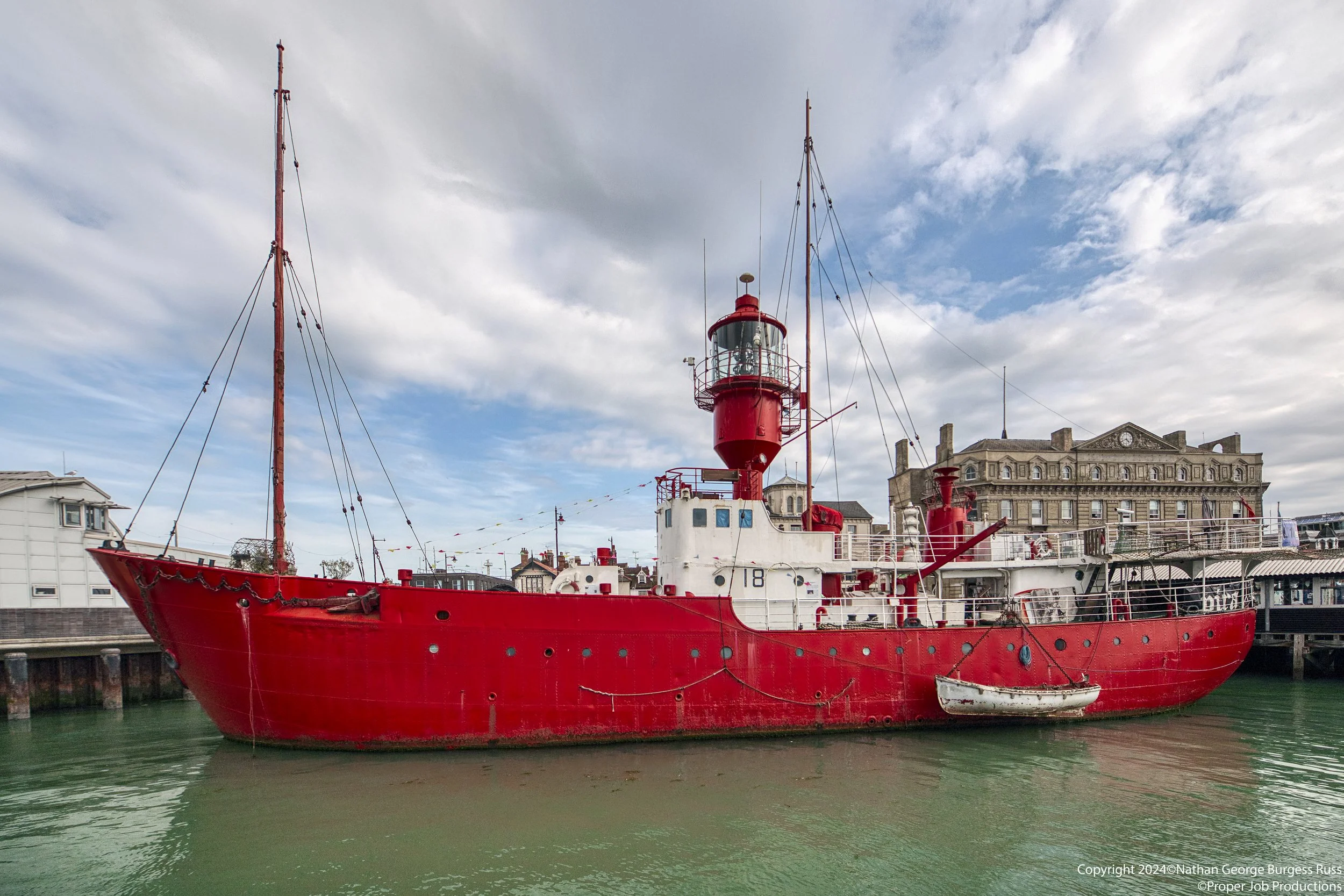
Trinity House Lightvessel 18 in Harwich port
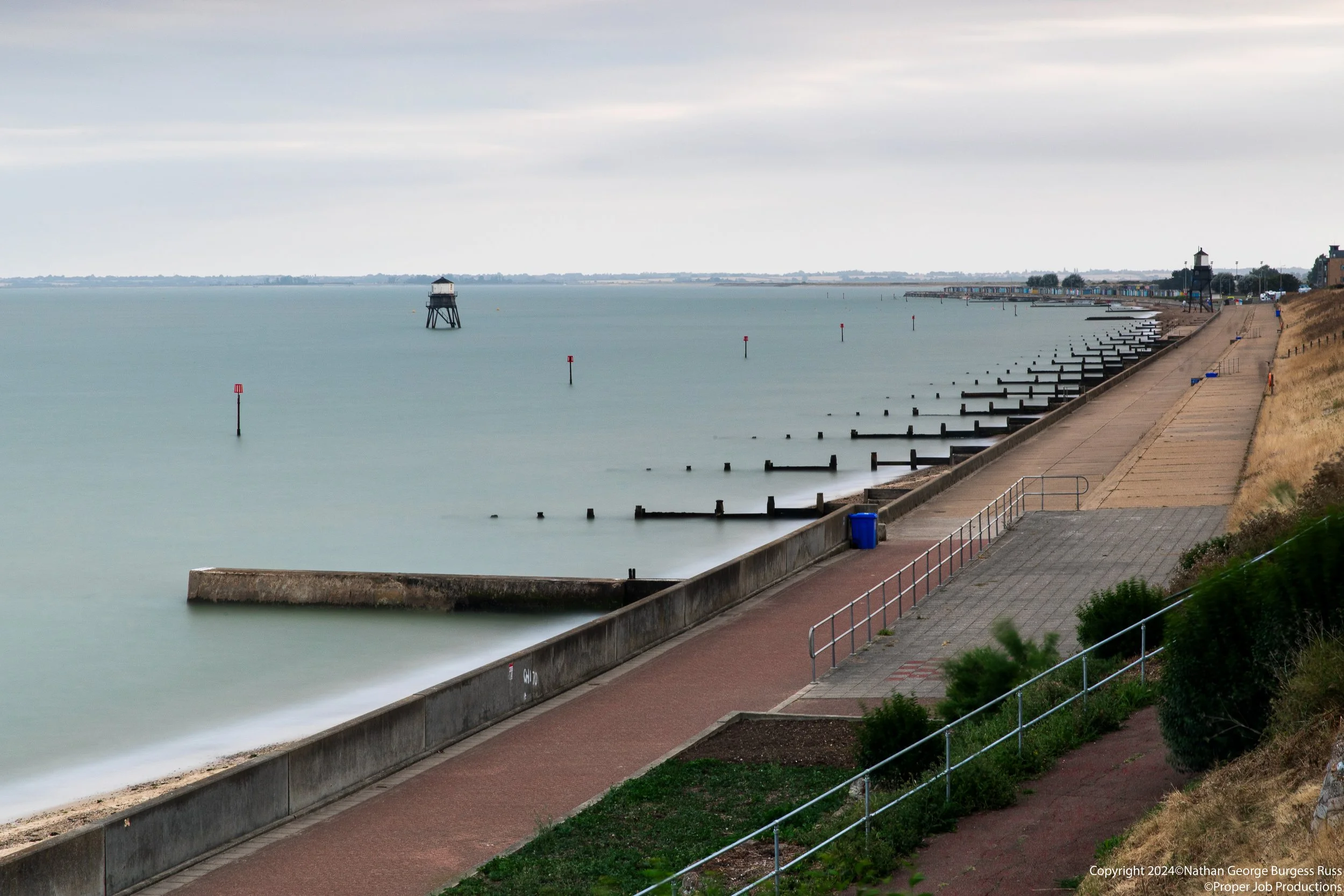
Dovercourt Bay
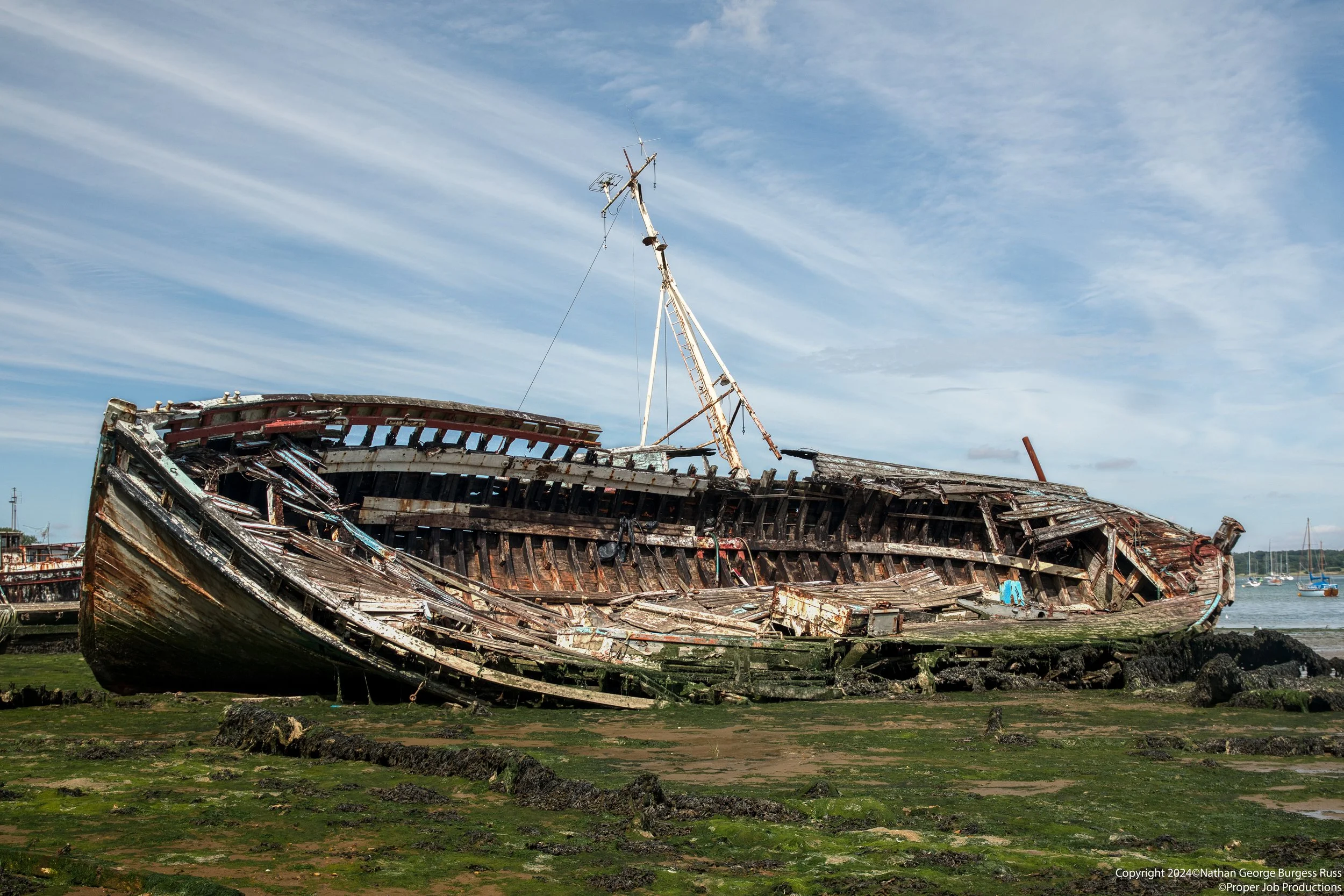
The largest boat in the Pin Mill boat graveyard.
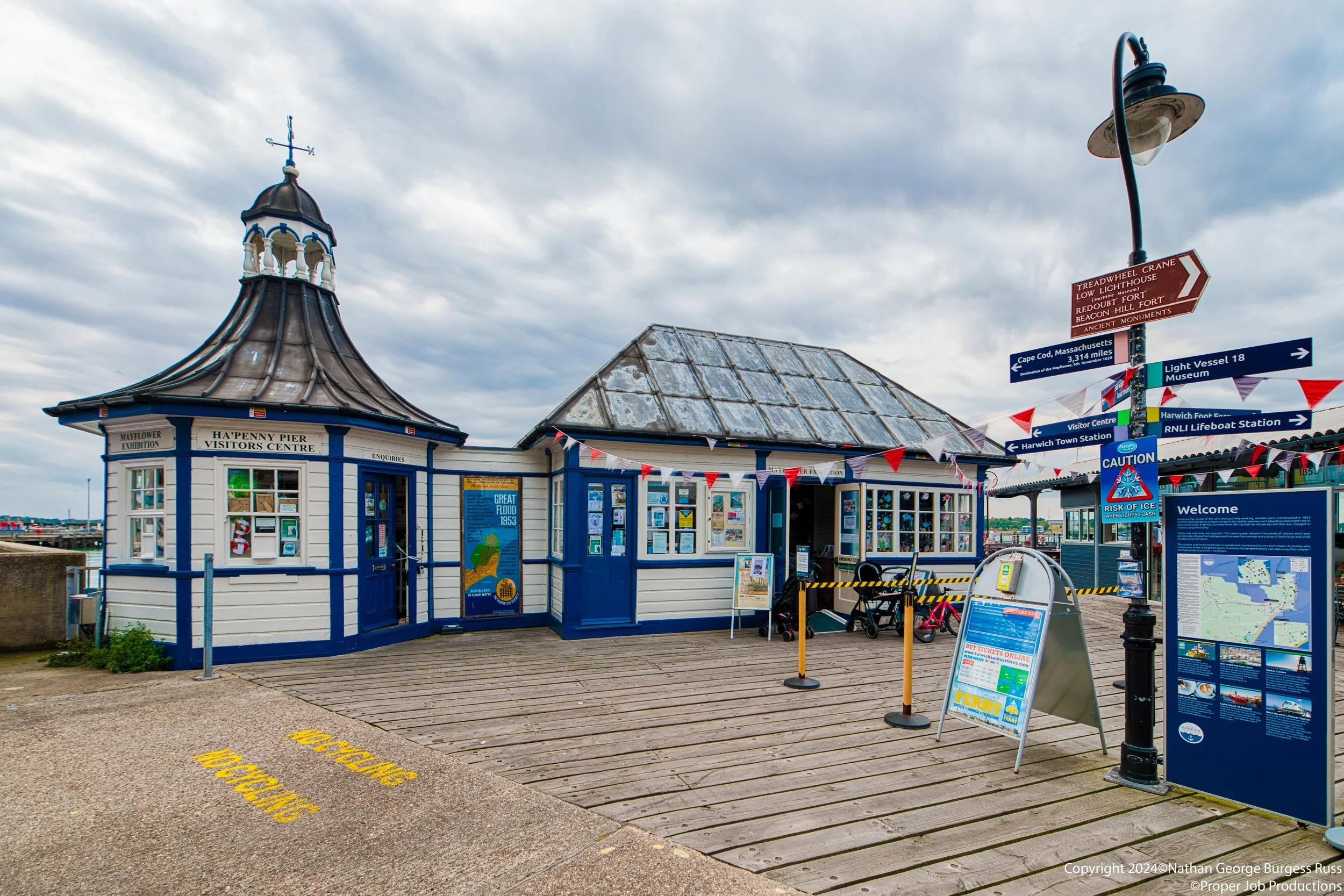
The Harwich Ha'penny Pier visitor centre. The visitor centre was originally built as the ticket office for the pier when it opened in 1853.
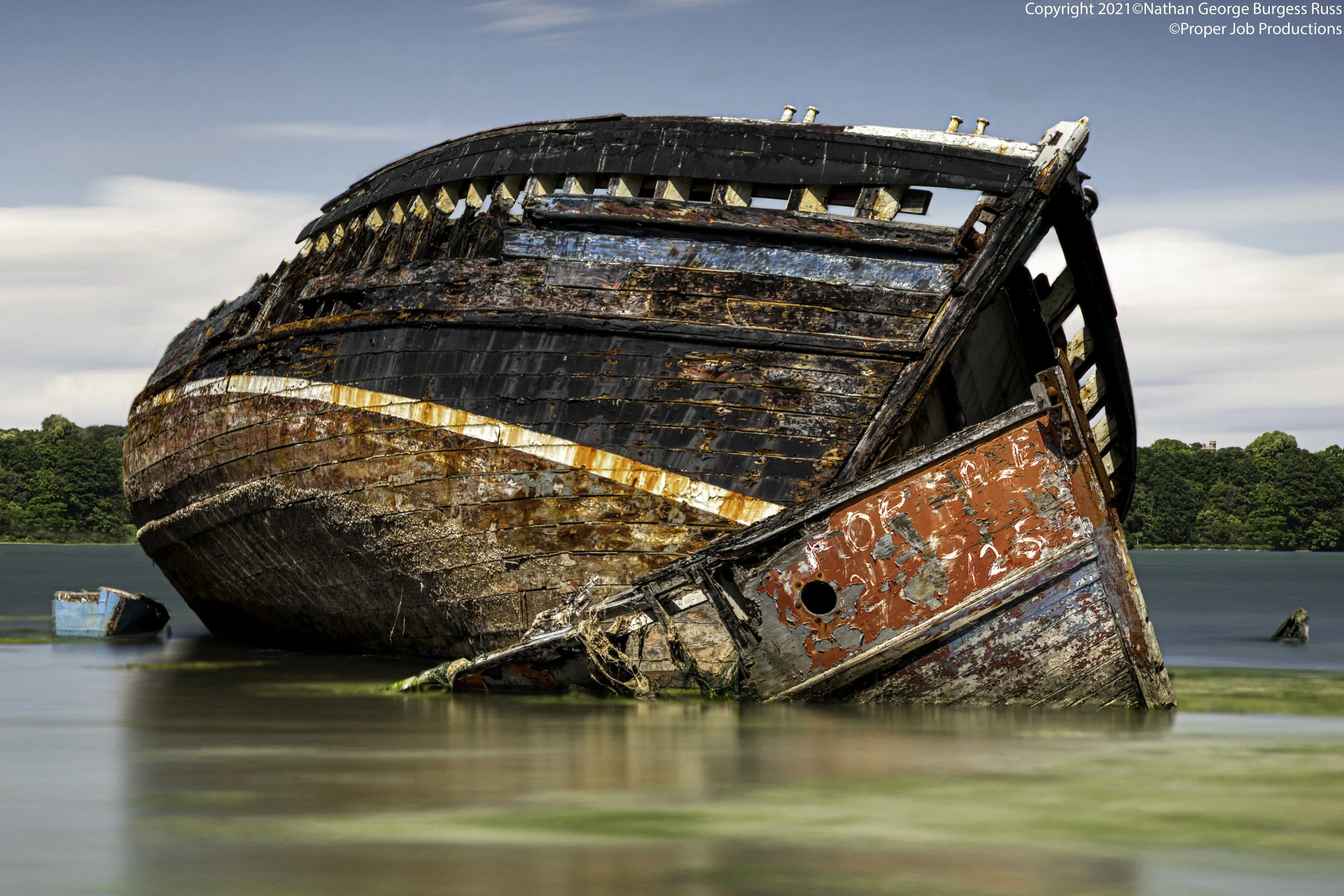
Three wooden hulled boats in various states of decay in the Pin Mill Boatyard Graveyard. Pin Mill a hamlet situated on the banks of the River Orwell, Suffolk
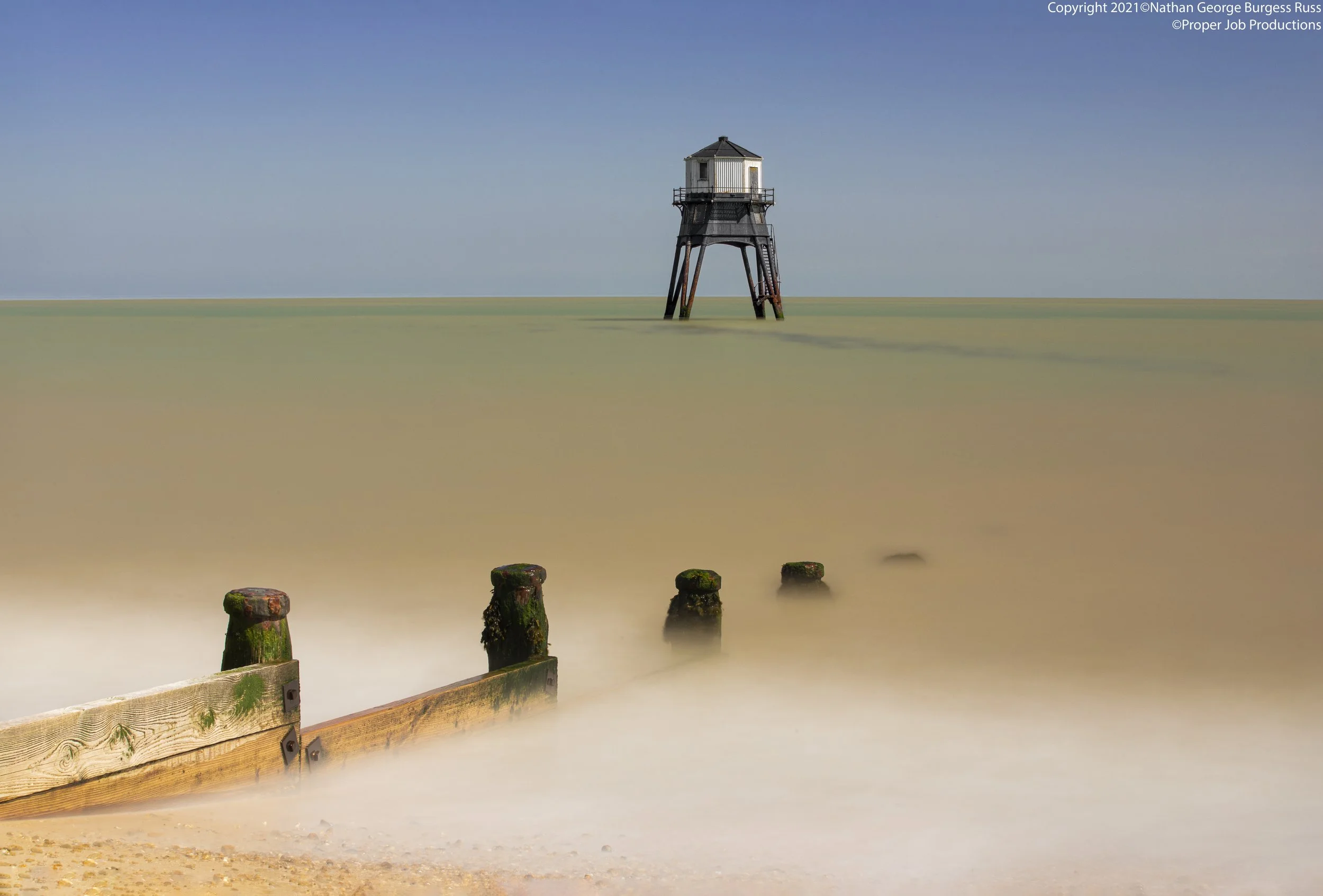
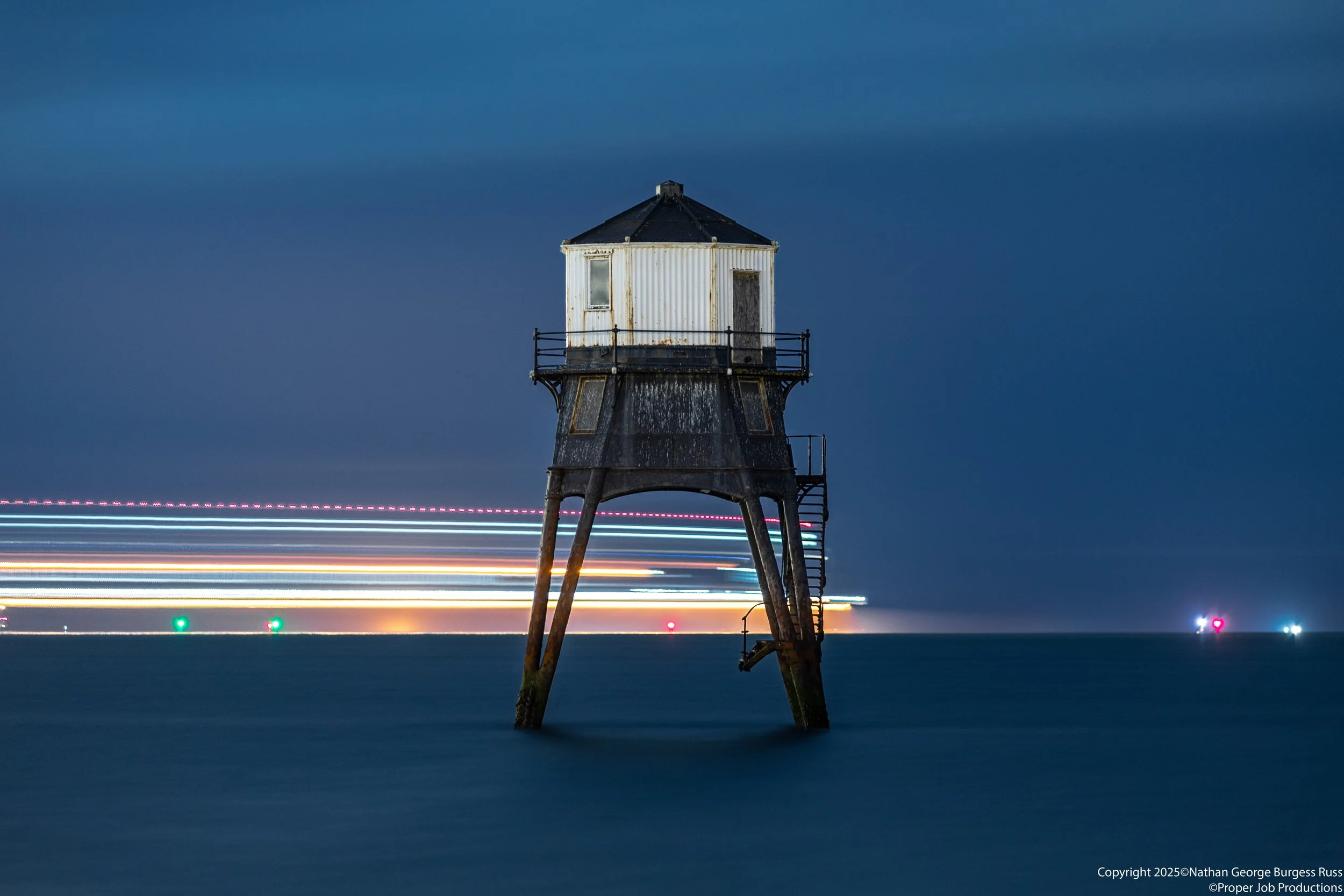
120 second long exposure of Dovercourt Low Lighthouse and with one of the Groynes at high tide. The Dovercourt Low lighthouse and High Lighthouse were built as a pair by Trinity House in 1863, both lighthouses are built in the same hexagonal shaped design with the lower lighthouse being shorter so that the lights lined up when a ship was on the correct approach to harwich port on the Stour estury. The Lighthouses were decommissioned in 1917, when Trinity House marked out the safe routes with new navigation bouys.
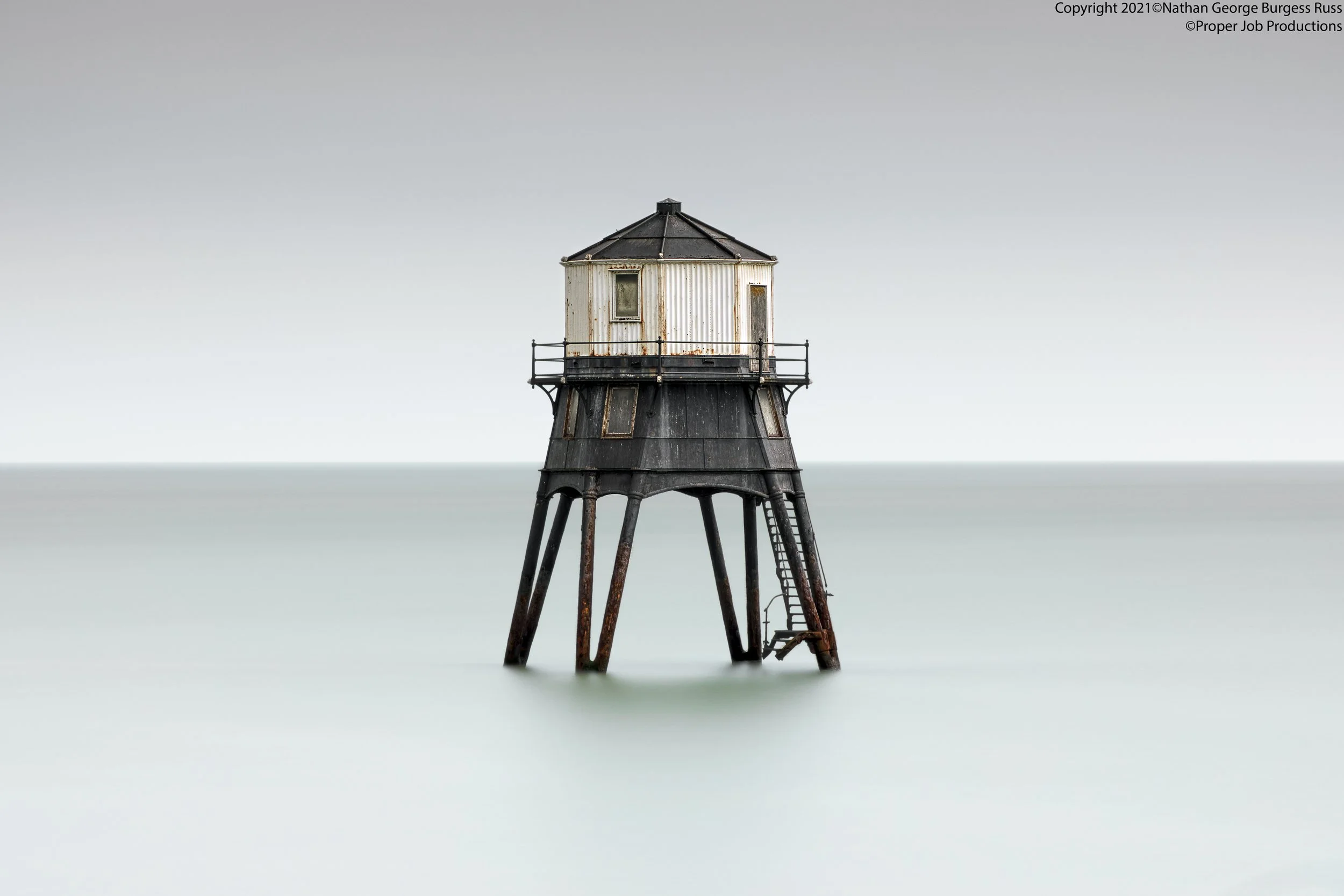
Dovercourt Low lighthouse at high tide The Dovercourt Low lighthouse and High Lighthouse were built as a pair by Trinity House in 1863, both lighthouses are built in the same hexagonal shaped design with the lower lighthouse being shorter so that the lights lined up when a ship was on the correct approach to harwich port on the Stour estury. The Lighthouses were decommissioned in 1917, when Trinity House marked out the safe routes with new navigation bouys.
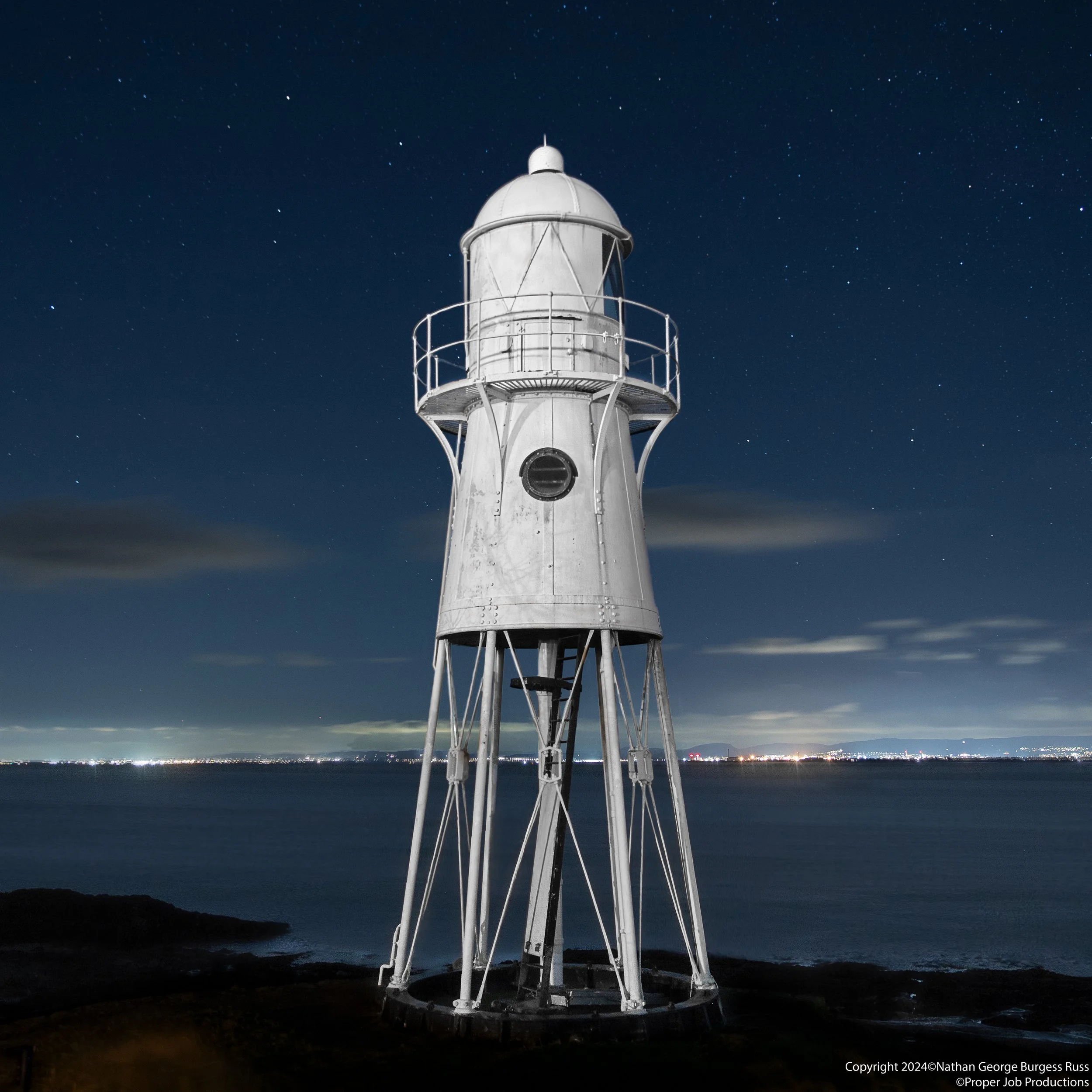
Black Nore Lighthouse in Portishead was built in 1894 by Trinity House and decommissioned in 2010, when it was sold to a charitable trust for preservation.
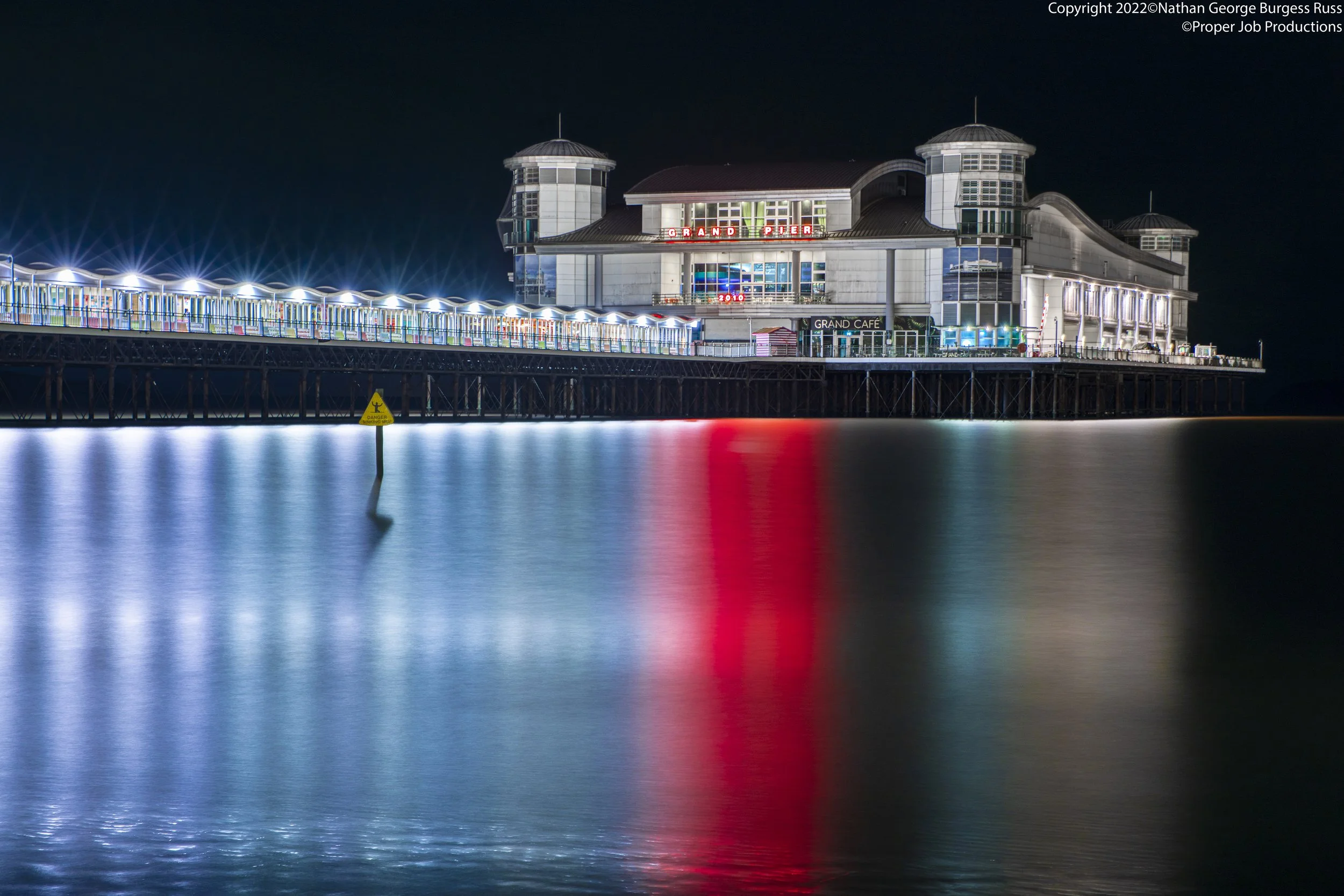
Weston-Super-Mare Grand Pier lit up at night during high tide.
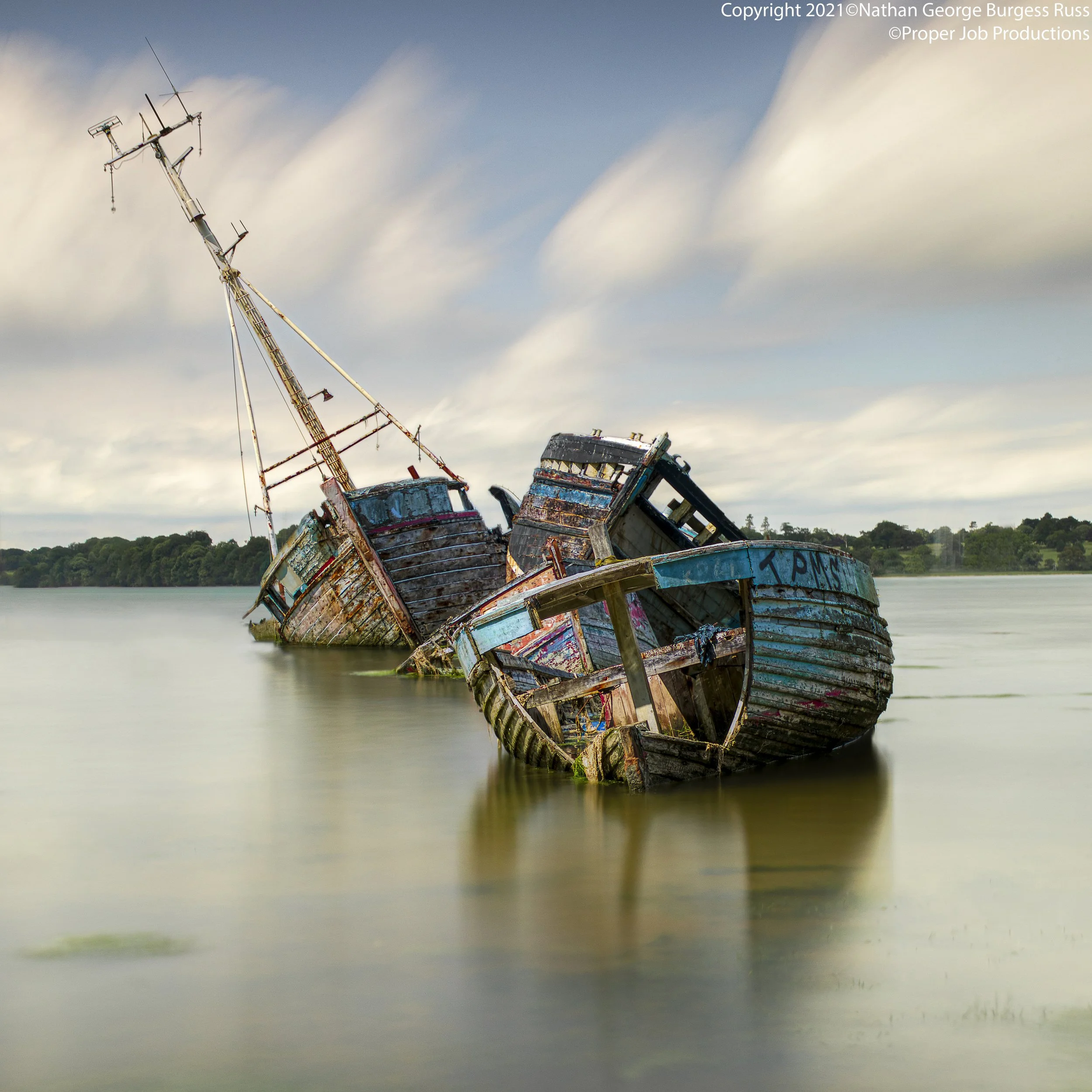
Four Wooden hulled boats in various states of decay in the Pin Mill Boatyard Graveyard. Pin Mill is a hamlet situated on the banks of the River Orwell, Suffolk
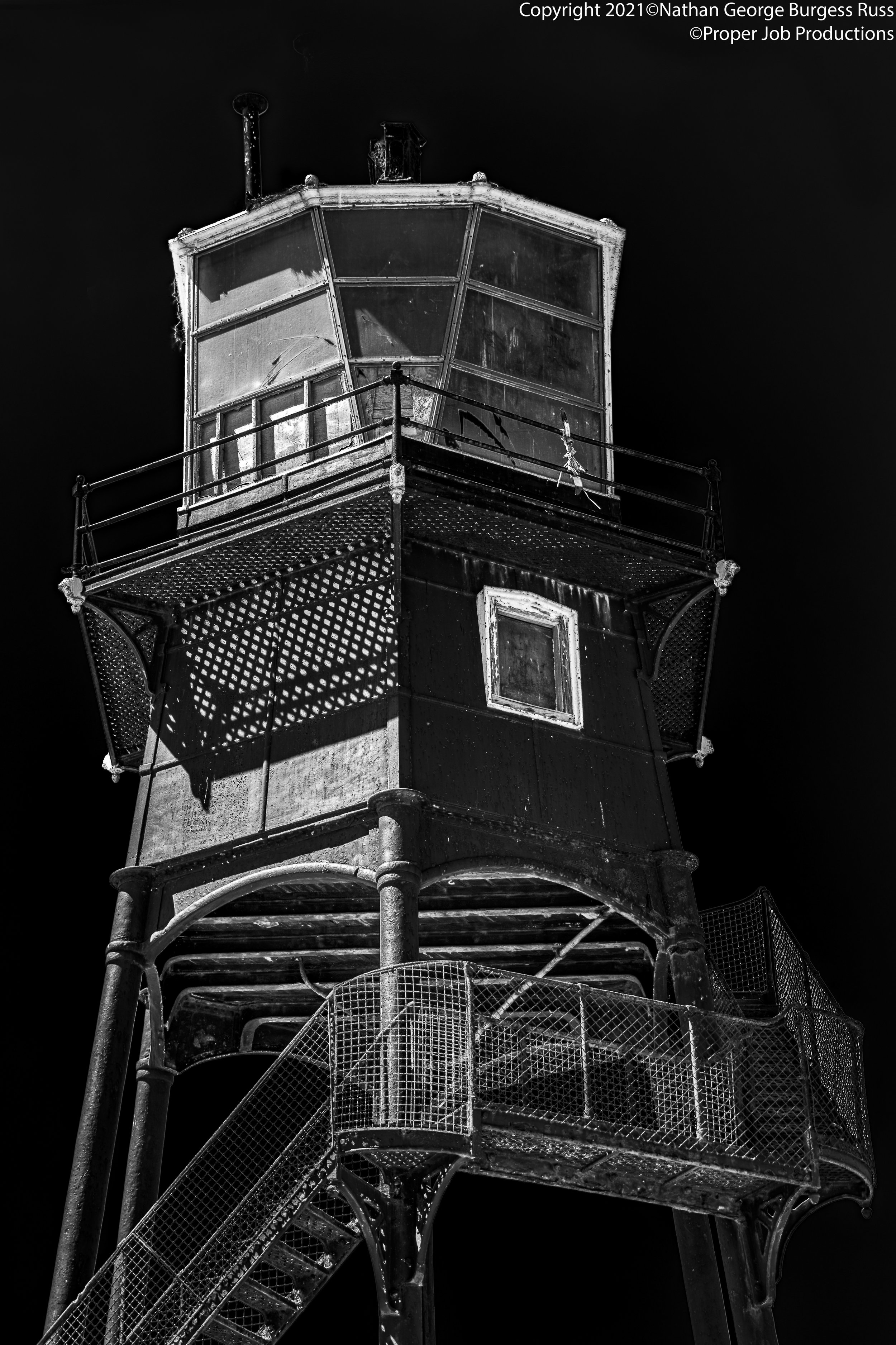
Black and white of Dovercourt High Lighthouse during the day. The Dovercourt Low and High Lighthouses were built as a pair in 1863, both lighthouses are built in the same hexagonal shaped design. The Lighthouse is 15 meters tall and supported by 6 iron legs. The lower room in the lighthouse was the lightkeepers chamber while the upper floor was used for the Lighthouse Lamp.
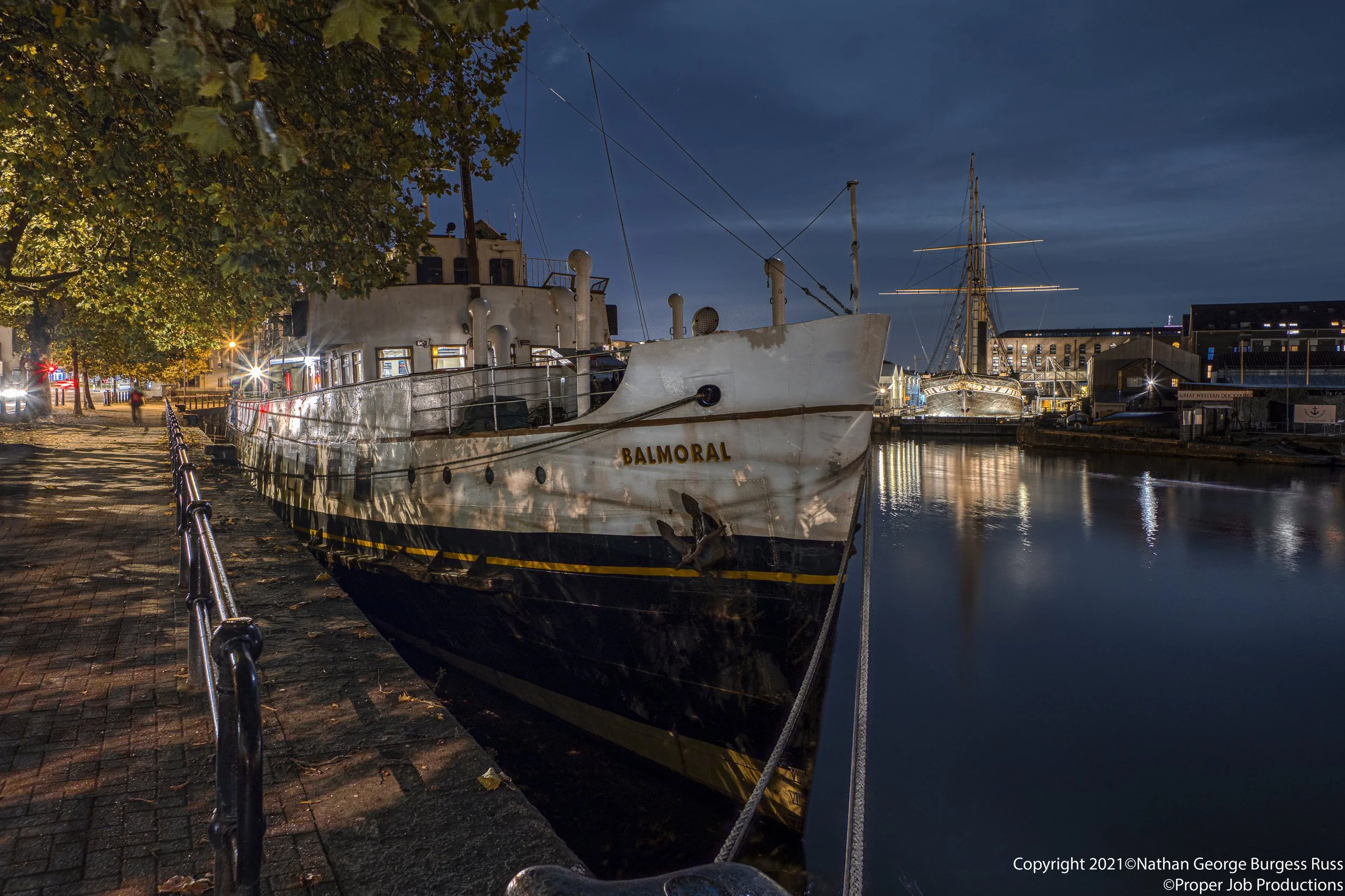
MV Balmoral & SS Great Britain at night. MV Balmoral was built by the John I. Thornycroft & Company in 1949 for use by the Red Funnel Line in 1968, as part of thier Southhampton, Isle of Wight and South of England Royal mail routes. When Red Funnel Line went out of business, she was sold to the P&A Campbell's White Funnel Line operating up and down the Bristol Channel, when White Funnel Line also went out of business in 1980, she was sold to a private owner who used her as a floating resturant in Dundee till she was sold to the Waverley Steam Navigation Co. Ltd in 1986 and returned to Bristol. In 2013 she stopped sailing due to increased costs of running her, but in 2015 she was sold to a newly set up charity the MV Balmoral Fund Ltd with the intention of turning her to sailing after a refit, which she did from 2015-2017 before needing more restoration work in 2018 and returning to sailing in 2019 when the weather permits safe sailing. Isambard Kingdom Brunel's S.S Great Britain was launched in 1845 and was the first ship to combine an iron hull with a screw propeller. Shortly after launching in 1845 she was the first iron hulled vessel to cross the Atlantic ocean. In 1846 she was grounded in Dundrum Bay, Northern Ireland due to a navigational error. She was eventually refloated 11 months later in 1847 and then sold to Gibbs, Bright & Co. In 1882 she was converted to a sail only powered bulk coal transport ship till 1886 when she was used Port Stanley as a Coal Hulk till 1937 when she towed to Sparrow Cove and abandoned. In 1970 she was recovered from Sparrow Cove with the assistance of a submissivesubmersible pontoon, Mulus III, and the Tug Varius II, after being transported back to Port Stanley they left on the 24th of April 1070 and arriving back in Great Western Dockyard on the 5th of July 1970
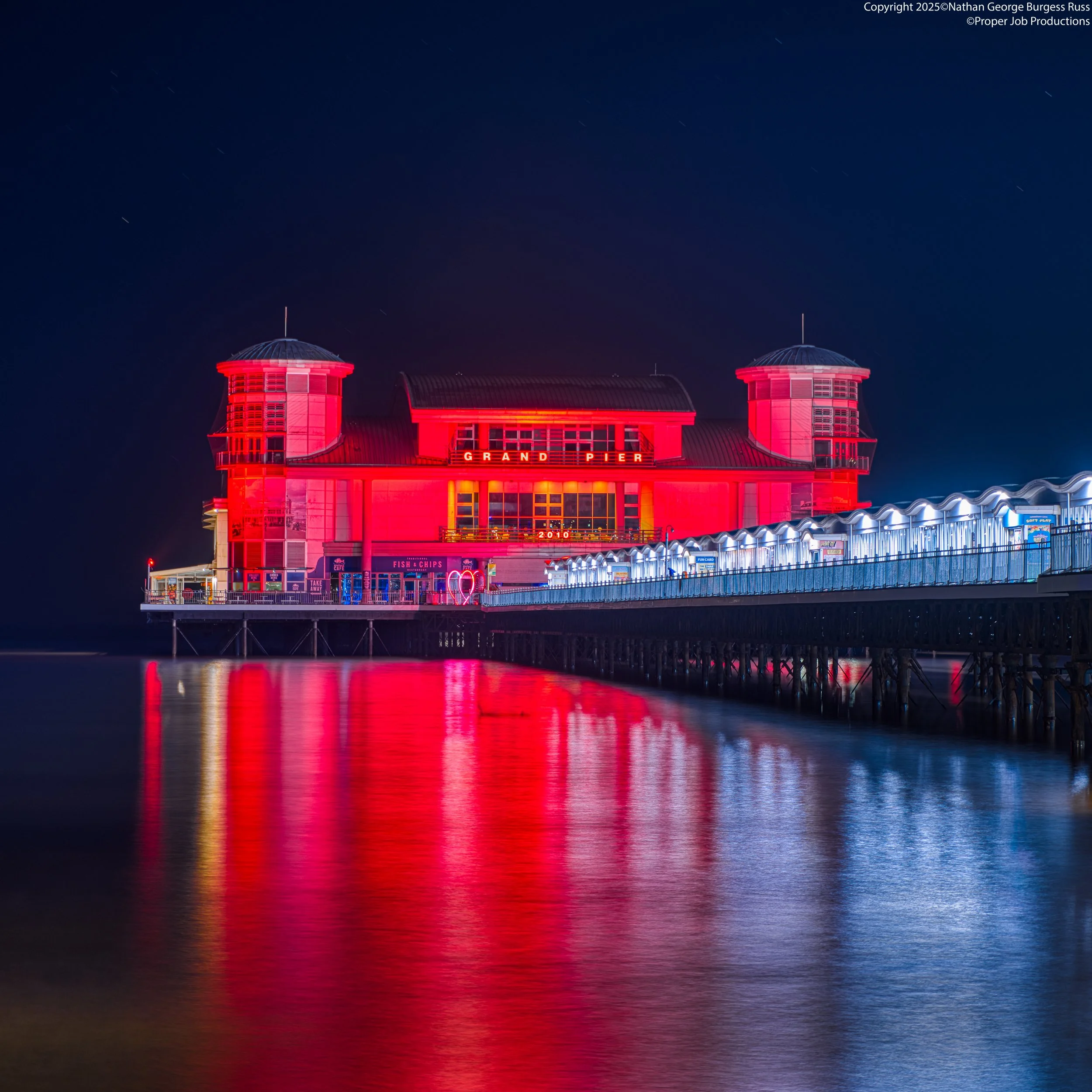
Weston-Super-Mare Grand Pier at night during a King High Tide in spring, also known as a Perigean spring tide. The Grand Pier is a classic example of late victorian pleasure piers, the Pavillion is the third one built after the first pavillion was destroyed by fire on the 13th of January 1930 and the second pavillion was also destroyed by fire on the 28th of July in 2008.